
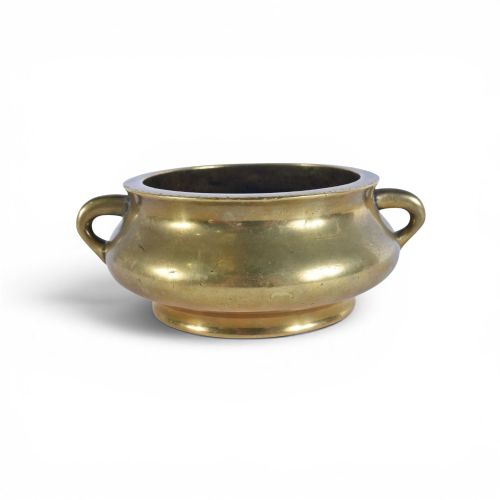
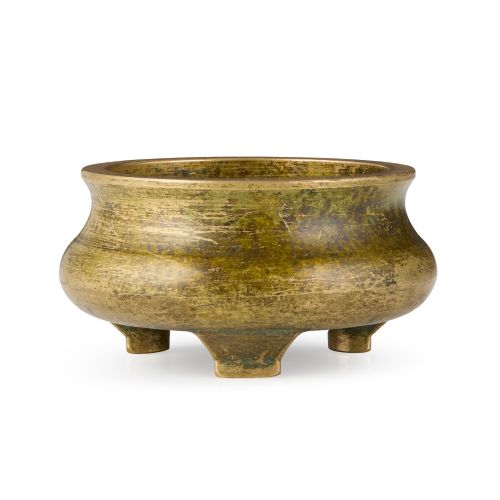
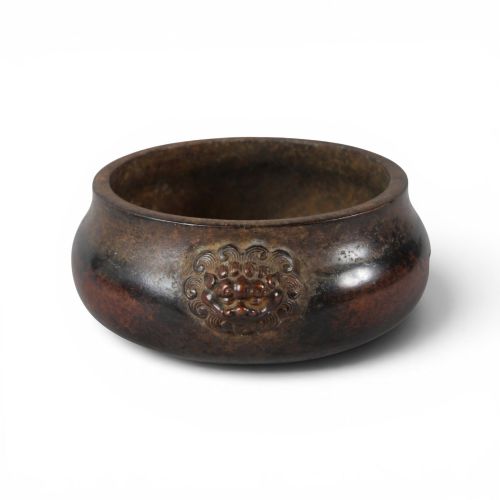
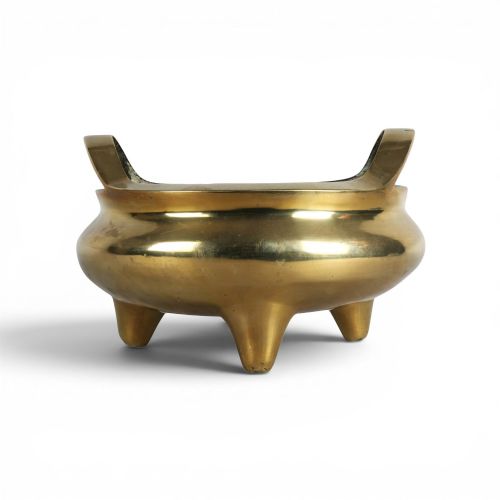


Qing Dynasty Bronze Bowl
These qing dynasty bronze bowl examples bring heavy, tactile ritual vessels and scholar's pieces directly to your room.
Qing Dynasty Bronze Bowl
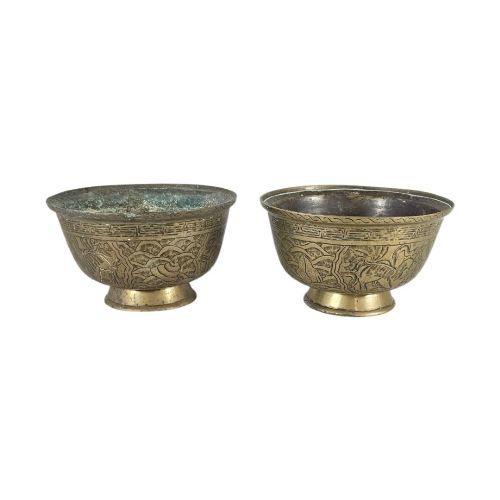
When searching for a qing dynasty bronze bowl, collectors encounter heavy ritual vessels, censers, planters, and decorative centrepiece bowls originating from China. The pieces available span the seventeenth, eighteenth, and nineteenth centuries, alongside examples dated around eighteen-ninety and nineteen-ten.
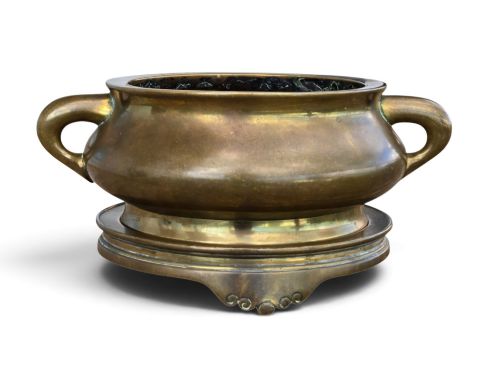
Many items function as incense burners or tripod censers rather than simple dining vessels. Forms range from archaistic ritual vessels to scholar's desk pots and matching stands, reflecting both domestic utility and ancient ceremonial design.
What varies in quality
Substantial variations emerge in the weight and casting density of each vessel. Heavier examples, such as mass-cast censers with bell-ring resonance, demonstrate superior metal volume and structural solidity.
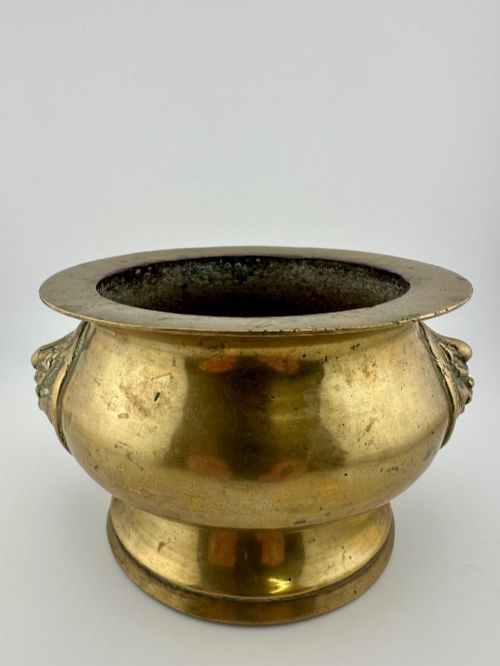
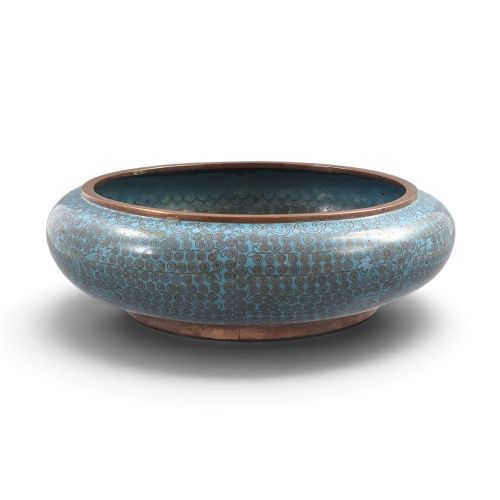
The presence of crisp maker marks, such as Xuande seals or Wu Bangzuo inscriptions, elevates a piece. Furthermore, the integration of detailed elements like lion mask handles and applied cloisonné enamel distinguishes finer studio work from standard utilitarian items.
One master-cast nineteenth-century censer includes a bell-ring resonance.
The Qing Dynasty Bronze Bowl Glossary
- Censer
- A vessel used for burning incense during rituals or scholar's desk pursuits. These pieces often feature tripod legs and pierced covers.
- Cloisonné
- An enamelwork technique where metal wire is soldered to the base to form compartments filled with paste and fired. This method decorates various nineteenth-century bowls and tazze.
- Archaistic
- A stylistic choice mimicking the forms and decorative motifs of ancient Chinese ritual bronzes from earlier dynasties. Pieces of this style often serve ritualistic or scholarly functions.
- Xuande Mark
- An inscription referencing the Xuande Emperor's reign, frequently utilised as a mark of respect on later bronze vessels and censers.
- Planter
- A decorative vessel designed to hold plants or botanical arrangements on desks and tables.
Qing Dynasty Bronze Bowl: Frequently Asked Questions
What are qing dynasty bronze bowls used for?
These vessels historically served ceremonial, ritual, and scholarly functions, operating as incense burners, brush washers, or decorative centrepieces. Many feature tripod bases and sturdy walls intended for burning incense or displaying scholar's items.
In modern spaces, collectors utilise these bowls as desk pots, planters, or standalone sculptural objects. Their weight and metallic resonance allow them to function as focal points in a room.
How do you date a bronze censer?
Dating relies on stylistic clues, casting characteristics, and inscribed marks found on the base or body. Pieces incorporate specific period indicators such as seventeenth-century proportions or nineteenth-century cloisonné enamel techniques.
Examining the weight, patina, and presence of specific studio or reign marks helps narrow the manufacturing era. Comparing the form to documented archaistic styles also provides chronological context.
What materials are these bowls made from?
The primary materials recorded are bronze, brass, copper, and copper alloy. Artisans frequently combined these metals with enamel and gilt bronze finishes.
Some examples integrate porcelain components or feature applied ormolu mounts, particularly in nineteenth-century interpretations. The metal composition directly contributes to the substantial heft of each vessel.
What is an archaistic bronze bowl?
An archaistic vessel is a later piece designed to emulate the shapes, motifs, and ritual purpose of ancient Chinese bronzes. These items reflect the scholarly appreciation for antiquity during the Qing Dynasty.
Such vessels often display formal ritual shapes, sometimes accompanied by matching stands, while retaining the manufacturing techniques of their actual period of creation.