


Antique Bronze Basin
An antique bronze basin brings weight and presence to a room, functioning as a jardiniere, bowl or water vessel.
Antique Bronze Basin
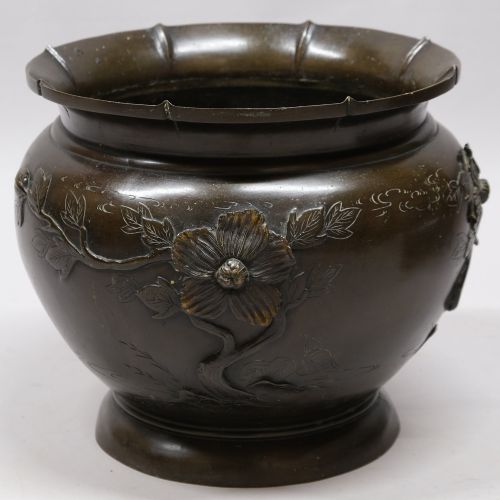
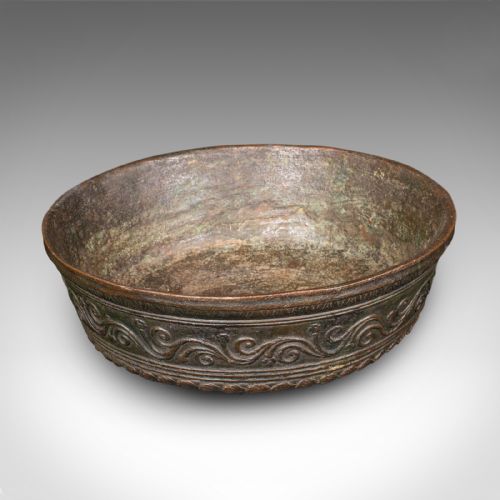
When you search for an antique bronze basin, you encounter substantial metal vessels designed primarily for decorative planting, water display or ritual use. The forms range from large Japanese jardiniere bowls and Suiban containers to Chinese ritualistic food vessels and English preserving dishes.
You are most likely to meet pieces originating from the 18th and 19th centuries, spanning the Victorian era, Edo period and Meiji period. These objects appear as heavy planters, centrepiece bowls, wine cisterns and decorative dishes, often cast in substantial weights.
The domestic and ornamental functions of these basins vary widely, with many serving historically as temple vases, Buddhist tearai or grand scale jardinieres. Their utility lies in their capacity to hold plants, water or floral arrangements while providing a sculptural anchor for an interior.
Materials and construction
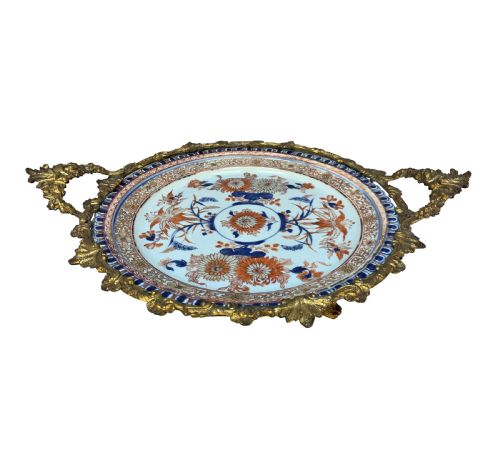
The primary material across the selection is bronze, supplemented by brass, patinated bronze, ormolu, and cast iron. Certain forms incorporate porcelain mounts, such as Chinese Imari plates fitted with ormolu mounts, or combine bronze with faux marble and painted wood elements.
Construction relies heavily on traditional metal casting techniques, resulting in heavy, durable bodies that often weigh several kilograms. Surface finishes are achieved through patination, gilding or careful polishing, enhancing the natural tone of the metal over centuries of use.
Listings feature periods spanning from the sixteenth century through the Georgian, Victorian, and early twentieth-century eras.
Distinctions in quality
Quality in these metal vessels rests upon the crispness of the casting and the depth of the metalwork. Pieces displaying fine surface detail, whether through archaic ritual motifs or delicate Meiji period ornamentation, demonstrate superior workmanship.
The material composition and patination further differentiate the pieces, with substantial weight and controlled patination indicating higher grade execution. The integration of mounts, such as ormolu on porcelain or detailed handles on wine cisterns, shows greater ambition in design.
The Antique Bronze Basin Glossary
- Jardiniere
- A decorative pot or stand for holding plants or flowers. These vessels often sit on low bases or tables within principal rooms.
- Suiban
- A shallow Japanese basin used for holding water and supporting arrangements in Ikebana. The term translates directly to water basin.
- Ormolu
- Gilded bronze used for decorative mounts and furniture ornamentation. This technique imparts a bright golden finish to metallic surfaces.
- Meiji Period
- A period of Japanese history spanning from 1868 to 1912. Metalwork from this era is noted for its expressive casting and intricate detail.
- Archaic
- A design style referencing ancient forms and ritual vessels. These pieces draw upon early historical aesthetics and heavy symbolic casting.
Antique Bronze Basin: Frequently Asked Questions
What were antique bronze basins used for?
These vessels served diverse functions ranging from practical domestic tasks to ritual and ornamental display. Many acted as jardinieres for plants, wine cisterns, or water containers in gardens and interior spaces.
Others held specific cultural roles, such as Buddhist tearai or temple vessels. Their robust construction allowed them to handle water, soil, and heavy food offerings safely.
How do I care for an antique bronze basin?
Bronze requires minimal intervention to maintain its stable surface condition. Dusting with a dry, soft cloth prevents the accumulation of grime without disturbing the historical patina.
Avoid using harsh metal polishes or abrasive cleaners, which strip away the natural ageing and finish. If the vessel holds water or plants, use a protective liner to protect the interior metal from prolonged moisture contact.
How do I distinguish Edo period pieces?
Edo period pieces date between 1603 and 1868, often displaying characteristic archaic forms or restrained decorative motifs. Examining the style of the casting and the nature of the bronze helps contextualise the object within this timeframe.
Makers during this era focused on heavy ritualistic food bowls, censers, and traditional planters. The patination on these older Japanese pieces tends to show deep, natural tones developed over centuries.