


Oriental Bronze Bowl
These heavy metal vessels, encountered as an oriental bronze bowl, bring centuries of Asian metalwork and ritual form directly into a modern room.
Oriental Bronze Bowl
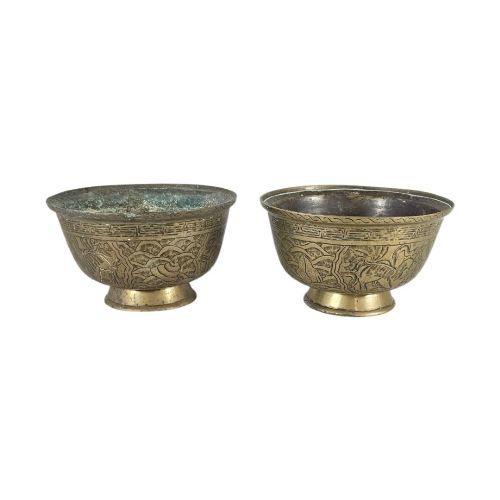
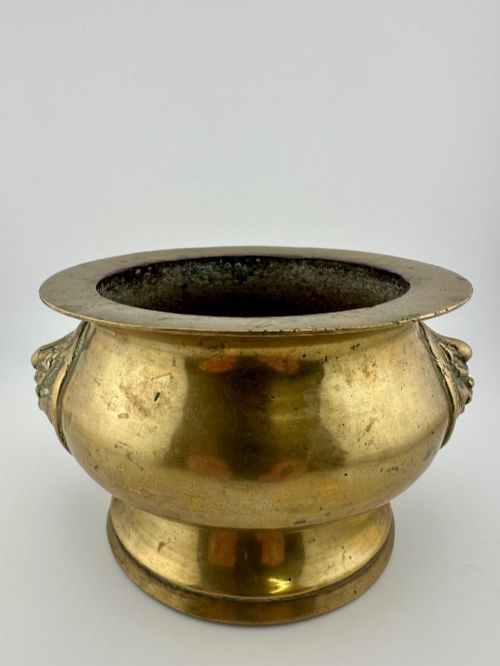
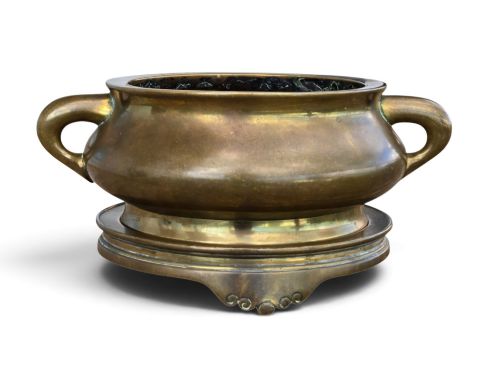
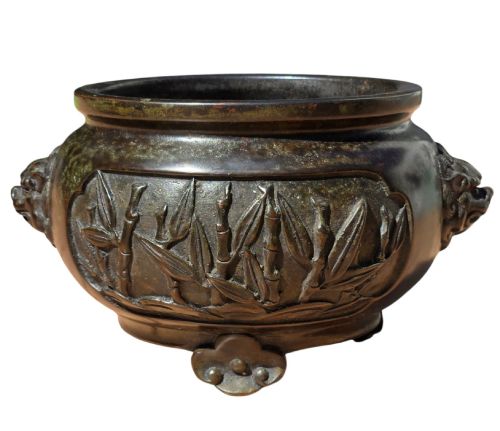
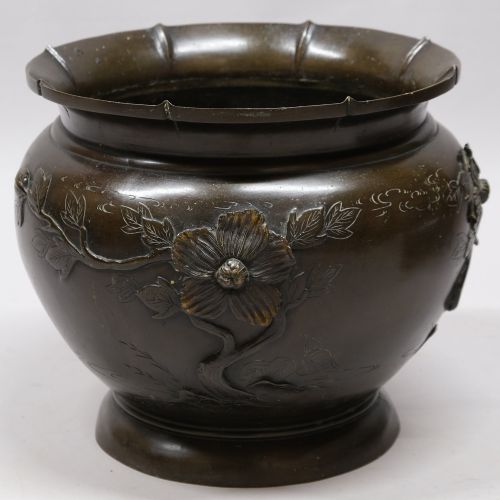
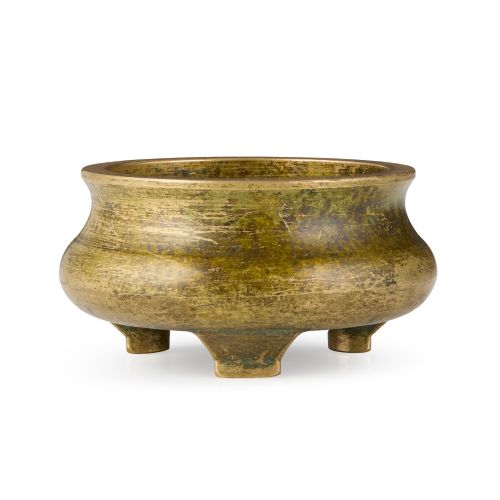
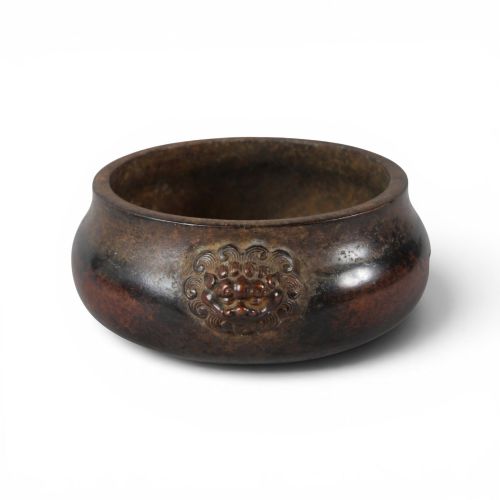
When you search for an oriental bronze bowl, you encounter a diverse selection of vessel forms spanning utility and ritual use. The groupings on this page include ritual tripods, scholarly brush washers, deep planter bowls, and large decorative jardinieres.
Most examples originate from Chinese dynasties or Japanese artistic periods such as Meiji and Edo. Pieces range from utilitarian domestic vessels to heavy archaistic temple pieces cast in centuries past.
Scholar's studio pieces and temple censers dominate the earlier centuries, whilst larger planter bowls and jardinieres emerge frequently among Victorian imports and Meiji period Japanese works.
How they were made
Foundry work relies heavily on bronze and copper alloy castings, often supplemented by brass components and wire work. Artisans poured molten metal into intricate moulds to achieve substantial weights and thick walls.
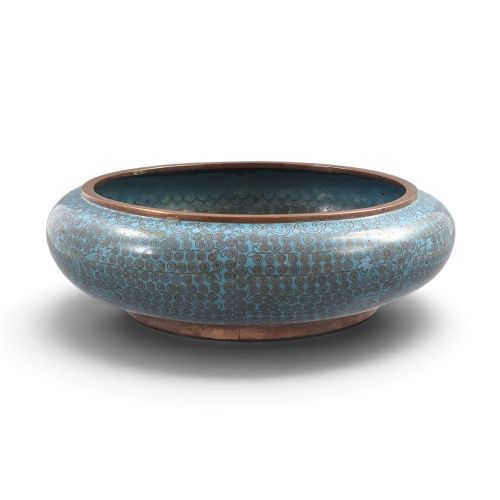
Surface ornamentation incorporates vibrant cloisonne enamel, champleve enamel, and patinated bronze finishes. Relief panels, incised motifs, and applied brass wire bring intricate botanical and animal designs to life across the metal surface.
Several heavy censers arrive complete with fierce lion-mask handles designed to stare down negative energy from the scholar's desk.
What varies in quality
The distinction between ordinary production and superior craftsmanship rests in the crispness of the casting and the weight of the bronze. Exceptional pieces display sharp relief work on lion mask handles or subtle integration of cloisonne enamel without gaps.
Makers who incorporated archaic motifs or scholar's studio marks aimed for a balance of historical reverence and structural proportion. Heavier metal gauge and controlled patination elevate certain scholar's censers far above standard decorative planters.
The Oriental Bronze Bowl Glossary
- Censer
- A vessel designed for burning incense during rituals or in scholarly spaces. These often feature tripod legs and pierced lids.
- Jardiniere
- A large ornamental pot or bowl used to hold live plants or floral displays. They are frequently cast with heavy walls to support damp soil.
- Cloisonne
- An enamelling technique where metal wire forms small compartments on the surface that are filled with coloured paste and fired. This creates vibrant geometric or pictorial patterns.
- Archaistic
- A design style that deliberately imitates the ancient ritual bronzes of earlier dynasties. Makers used these forms to connect contemporary vessels with historical traditions.
Oriental Bronze Bowl: Frequently Asked Questions
What is an oriental bronze bowl used for?
These vessels served diverse functions ranging from scholar's desk accessories and incense burners to large planters for botanical displays.
Today, buyers repurpose them as striking decorative centrepieces or functional planters for interior house plants.
How do I date an antique bronze vessel?
Dating relies upon stylistic cues, casting techniques, and specific period marks such as dynastic stamps or studio signatures. Comparing the weight, patina, and decorative motifs against known historical examples helps establish the era of manufacture.
Evidence on this page spans from the sixteenth century through the Meiji period and early twentieth century.
What is the difference between a censer and a jardiniere?
A censer is typically a lidded or open vessel created specifically to burn aromatic incense in temples or scholar's studios. These often stand on three legs and feature sculpted handles.
A jardiniere is a larger, heavier bowl designed to hold potted plants and garden soil.
How should I clean a bronze bowl?
Maintaining these metals requires gentle dusting with a soft dry cloth to preserve the historic patina. Avoid chemical polishes that strip away centuries of oxidation and surface character.
Water and harsh soaps should be kept away from enamel work and delicate patinated surfaces.