
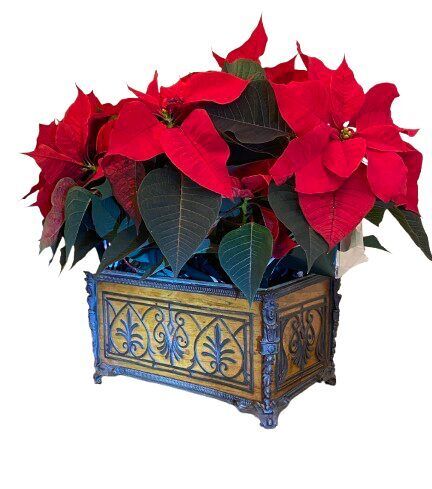


Brown Bronze Jardiniere
These brown bronze jardiniere pieces bring heavy cast metal and patinated bronze plant vessels straight into period interiors.
Brown Bronze Jardiniere
A brown bronze jardiniere serves as a substantial plant holder or decorative planter, often displaying deep patination across its metallic surface. Buyers seeking a brown bronze jardiniere will encounter various nineteenth-century examples influenced by French styles and Asian craftsmanship.
The selection ranges from small desk pots and serving bowls to large floor-standing planters and display cabinets mounted with precious timbers. French Louis XV and Louis XVI revivals appear alongside Japanese Meiji period bronzes and Chinese sectional vessels.
Most items on this page date from the Victorian era and the broader nineteenth century, reflecting robust manufacturing traditions across Europe and Asia. These heavy planters accommodate indoor foliage while functioning as independent decorative centerpieces.
Materials and construction methods
Foundries cast these vessels using traditional bronze techniques, sometimes combining the metal with kingwood, olive wood, or porcelain plaques. Ormolu mounts and gilt bronze details provide contrast against the darker brown bronze surfaces.
Cabinetmakers and metalworkers utilised mechanical fastening and joinery to attach wooden stands and pedestals to the primary bronze bowls. Cast iron also appears in utilitarian English examples designed for heavier garden or interior use.
Brown Bronze Jardiniere Retail Price Guide 2026
Typical asking prices for brown bronze jardiniere among the pieces listed under this phrase on Sellingantiques today, from the lower quarter to the upper quarter. They describe what is for sale here now, not the wider market.
Listings feature nineteenth-century dates alongside Georgian and 1920s examples, spanning bronze, kingwood, ormolu, porcelain, and olive wood materials.
Judging quality and craftsmanship
The fineness of the cast metal ornamentation separates standard production pieces from superior works of art. Sharp detailing in Japanese Meiji bronzes or crisp French ormolu mounts indicates skilled workshop execution.
Material combination also drives distinction, where secondary timbers like kingwood and olive wood are matched with bronze mounts. Heavier sectional construction and integrated porcelain plaques denote higher ambition in the original design.
The Brown Bronze Jardiniere Glossary
- Jardiniere
- A decorative pot or stand designed to hold flowers or plants indoors. These vessels often stand on furniture tops or floor pedestals.
- Ormolu
- Gilt bronze applied to furniture mounts, clock cases, and decorative vessels. The technique involves treating brass or bronze with a gold amalgam.
- Kingwood
- A dense, richly figured tropical timber utilised in high-end cabinet making during the eighteenth and nineteenth centuries. It often frames bronze mounts on French furniture pieces.
- Meiji Period
- A Japanese historical era lasting from 1868 to 1912 characterised by intricate metalwork and export bronzes. Pieces from this time demonstrate advanced casting and patination skills.
- Restauration
- A French design style bridging the empire period and the July Monarchy. It favours cleaner wood grains and restrained bronze ornamentation.
Brown Bronze Jardiniere: Frequently Asked Questions
What is a brown bronze jardiniere used for?
These vessels were originally manufactured to hold potted plants and floral arrangements inside nineteenth-century drawing rooms and parlours. The waterproof metal interiors protected fine furniture surfaces from moisture.
Today, collectors utilise them as decorative centerpieces, display bowls, or empty sculptural objects within period and contemporary interiors.
How do I identify a Meiji period bronze?
Japanese bronzes from the Meiji era often feature complex cast ornamentation, distinct patination, and Oriental motifs. They reflect the high point of Japanese metalworking exported to Western markets.
Examination of the underside and casting seams helps differentiate these Asian works from European revival pieces.
Are these jardiniere stands waterproof?
Many nineteenth-century bronze and cast iron planters feature solid metal bowls capable of holding potted plants directly. However, wooden stands combined with bronze elements require caution regarding moisture.
Using a plastic liner inside the bronze bowl preserves the interior metal surface and prevents water damage.
What is the difference between French and English planters?
French pieces frequently incorporate decorative ormolu mounts, kingwood veneers, and elaborate Louis style revivals. They emphasise ornamental display within formal reception rooms.
English variants tend toward utilitarian cast iron or simpler decorative forms suited to domestic daily use.