


Bronze Flower Pot
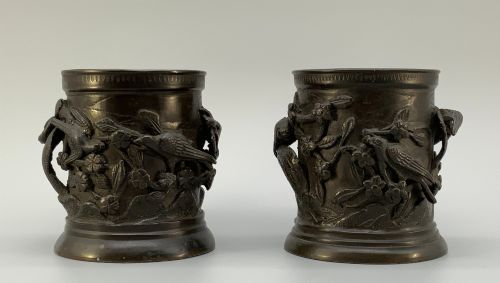
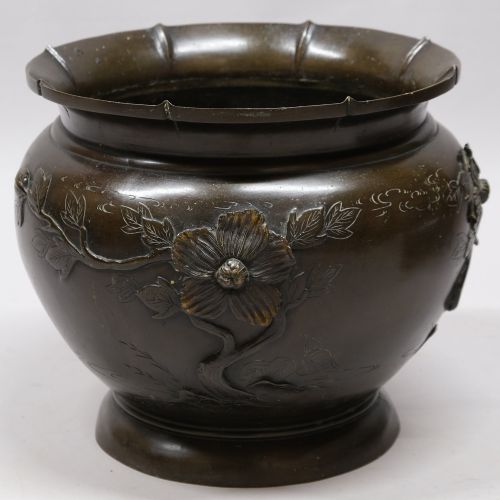
These bronze flower pot pieces bring heavy cast weight and detailed surface work into a room.
Bronze Flower Pot
A bronze flower pot on this page spans large jardinieres, small posy vases, and decorative vessels designed for plants and cut stems. These pieces arrive from nineteenth-century Victorian workshops, Japanese Meiji period studios, and Chinese export makers.
The version most commonly met here is the Japanese Meiji period bronze jardiniere or vase, alongside Victorian Chinese export vessels and Indian Raj pieces. Buyers encounter both single display items and matched pairs intended for formal placement.
Forms range from deep bowls and heavy planters to slender baluster vases and hu vessels adapted for botanical display. Each object reflects nineteenth-century craftsmanship applied to domestic horticulture and interior decoration.
Judging quality in metalwork
Substantial weight separates the finer jardinieres and bowls from lighter decorative vessels, with heavier pieces showing greater structural stability. The thickness of the cast wall determines the overall permanence and presence of the object.
The clarity and depth of chased and hand-carved surface details distinguish superior pieces. Sharp depiction of birds, blossoms, and patterns demonstrates skilled craftsmanship by the maker.
Heavy metal vessels disguise their garden origins by sitting indoors looking solemn.
The Bronze Flower Pot Glossary
- Jardiniere
- A large ornamental pot or stand designed to hold a plant or flower arrangement. These vessels frequently feature heavy cast bronze construction and wide openings for botanical display.
- Patinated bronze
- Metal treated with chemical solutions to produce a darkened or aged surface colour. This finish protects the metal and accentuates the carved details beneath.
- Cloisonné
- Enamelwork in which coloured paste is baked within compartments formed by thin strips of metal welded to the base. This technique creates intricate multicoloured patterns across the surface.
- Meiji Period
- The era in Japanese history spanning from eighteen sixty-eight to nineteen twelve, noted for exceptional metalwork and decorative arts exported to Western markets.
- Chased
- Metal decorated by hammering tools onto the front surface to push the metal down and create raised relief designs. This hand technique adds texture and depth to floral and avian motifs.
Bronze Flower Pot: Frequently Asked Questions
How were bronze flower pots used?
These vessels served as indoor planters, jardinieres for potted palms, and display urns for cut floral arrangements. Victorian and oriental households placed them on tables or stands in principal rooms.
Their heavy construction provided stability for large plants while the decorative exterior contributed to interior ornamentation.
How do I date a bronze vase?
Dating relies on stylistic markers such as Japanese Meiji period motifs, Victorian Chinoiserie designs, and specific production eras like the Indian Raj period. Examining the depth of hand carving and the type of patination helps establish the period.
Makers often utilised specific casting weights and alloy mixtures that correspond to nineteenth-century manufacturing methods.
Are these pieces waterproof?
Many of these vessels were originally designed to hold soil and plants directly or to contain water for cut stems. However, older patinated bronze can react to prolonged moisture exposure.
Using a modern liner inside the pot protects the historic interior surface from water damage and mineral deposits.
How do I clean a bronze jardiniere?
Dusting with a soft, dry cloth preserves the historic patinated surface without removing the aged finish. Harsh chemical polishes should be avoided as they strip away original patination.
Consulting a specialist conservator ensures proper maintenance for pieces featuring cloisonne enamel or gilt bronze elements.