


Bronze Planter Pot
A bronze planter pot brings weight and a rich patination to a room, holding greenery with quiet, enduring elegance.
Bronze Planter Pot
A bronze planter pot, often styled as a jardiniere, cachepot, or bowl, serves as a vessel for interior plants and floral displays. When you search for a bronze planter pot, you encounter pieces primarily originating from Japanese Meiji and Edo periods, as well as Chinese Qing dynasty workshops.
The selections span the nineteenth century into the early twentieth century, incorporating Victorian interpretations alongside Asian export wares. Common forms include large heavy bowls, cachepots, and traditional vases adapted for botanical display.
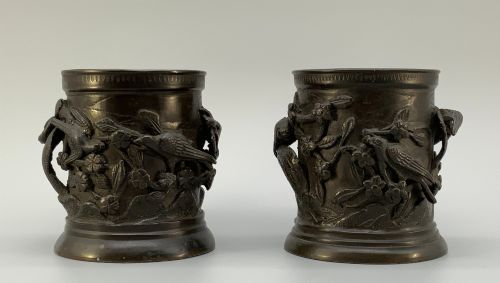
Many items present traditional Oriental motifs such as birds and blossom, whilst others adopt European styling like Louis XIV or Greco Roman influences. These vessels function equally well as standalone decorative objects or as functional holders for indoor flora.
Materials and construction
The primary material is cast bronze, frequently complemented by patinated bronze, gilt bronze, or ormolu to achieve varied surface finishes. Metalworkers utilised traditional casting techniques to produce thick-walled vessels capable of holding soil and water.
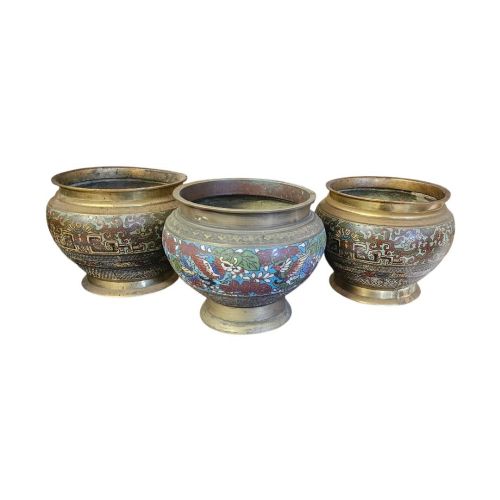
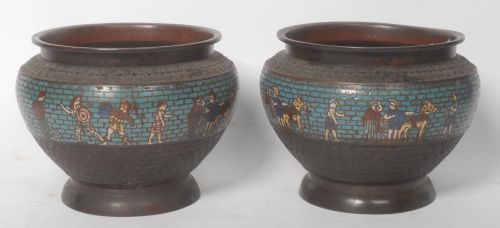
Many examples incorporate intricate ornamentation through champleve enamel and cloisonne enamel directly into the metal body. These enamel techniques require meticulous application of coloured glass pastes within recessed wire cells or channels before firing.
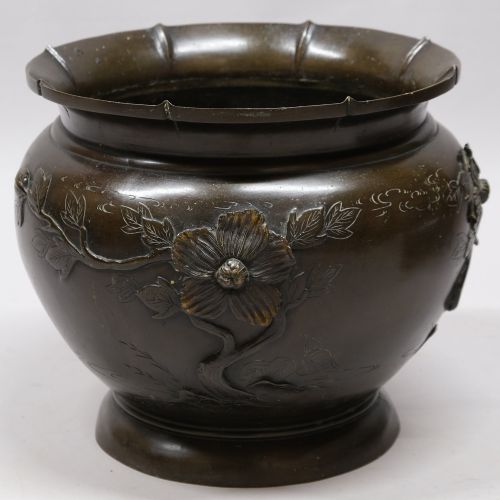
Porcelain elements occasionally appear integrated within the metal framework, particularly in export pieces. Surface details such as floral scenes and birds are typically chased, engraved, or applied in high relief during the finishing stage.
Materials recorded across the inventory include bronze, brass, patinated bronze, gilt bronze, ormolu, cloisonne enamel, champleve enamel, and porcelain.
Evaluating quality and execution
Quality rests upon the crispness of the casting and the depth of the metalwork rather than mere scale. Superior pieces display finely detailed relief work, such as distinct plumage on birds or sharp definition in floral motifs.
The application of enamel work separates standard production from exceptional artistry. In finer examples, the champleve or cloisonne cells are precisely filled with vibrant, uniform colours that sit flush with the surrounding bronze borders.
Weight and structural integrity also dictate the calibre of a vessel. Substantial metal thickness and a stable base indicate a piece built to endure practical use as a planter without compromising its decorative form.
The Bronze Planter Pot Glossary
- Jardiniere
- A large ornamental pot or stand for holding plants or flowers. These vessels often sit on low feet and feature decorated bodies.
- Cachepot
- An ornamental container designed to hold an ordinary flowerpot and catch drainage water. The term translates from French as hiding pot.
- Cloisonne
- An enamel technique where metal wire is soldered to a metal base to create compartments for enamel paste. These wired cells are then fired and polished to a smooth finish.
- Champleve
- An enamelling method where troughs or cells are carved directly into the thick bronze surface to hold coloured enamel. This technique creates robust patterns integrated tightly with the metal.
- Ormolu
- Gilded bronze applied to furniture, clocks, and decorative vessels during the eighteenth and nineteenth centuries. The finish provides a bright, gold-like appearance on decorative mounts and rims.
Bronze Planter Pot: Frequently Asked Questions
What is a bronze planter pot used for?
These vessels primarily hold indoor potted plants, operating as decorative cachepots or direct planters for foliage and floral arrangements. They bring a sculptural element to tabletops, mantelpieces, or floor displays.
Historically, they also functioned as water basins for ikebana or simply as standalone decorative art objects in formal reception rooms.
How do I care for a bronze planter pot?
Protect the metal surface by placing a plastic liner inside the vessel rather than planting directly into the bronze. This prevents moisture and soil acidity from reacting with the patination.
Dust the exterior gently with a dry cloth and avoid harsh chemical cleaners that might strip the original patina or damage delicate enamel work.
How can I tell the Meiji period pieces apart?
Japanese Meiji period bronze planter pots frequently feature naturalistic subjects such as birds, blossoms, and flowing water rendered in high relief. The craftsmanship often reflects the opening of trade and the high standards of nineteenth-century metalwork.
They commonly appear alongside Edo period vessels, which tend to show different stylistic conventions and regional influences from earlier Japanese dynasties.
What is the difference between a jardiniere and a cachepot?
A jardiniere typically refers to a larger, standalone ornamental bowl intended to hold plants directly or contain multiple smaller pots. They are often heavy and form a central decorative feature in a room.
A cachepot is generally smaller and specifically designed to conceal a plain terracotta flowerpot, catching any water that drains from the base.