


Meiji Period Bronze Planter
These heavy cast vessels bring sculptural presence to a room, offering a functional home for plants wrapped in historical craft.
Meiji Period Bronze Planter
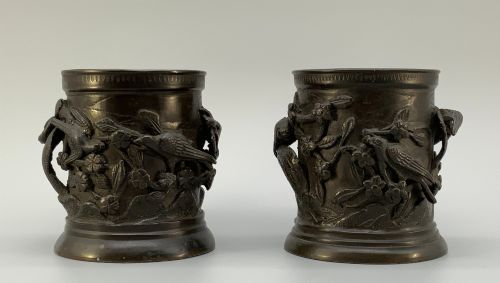
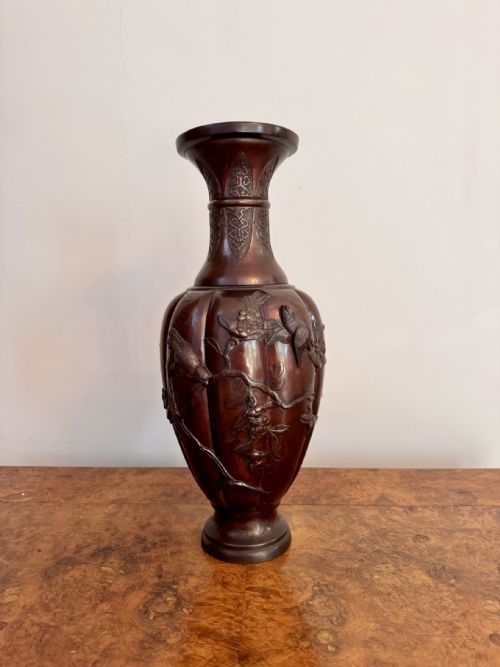
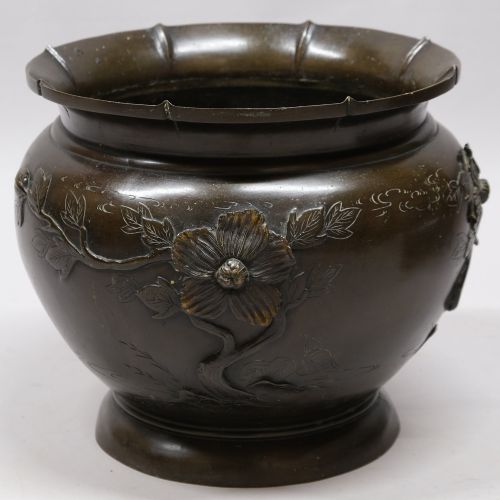
When searching for a meiji period bronze planter, buyers encounter heavy cast metal vessels originating from late nineteenth and early twentieth century Japan. The forms on this page include large jardinieres, bowl planters, garden urns, and temple vases designed to hold plants or display floral arrangements.
Most examples date from the 19th century and the early decades of the 1900s, often overlapping with the Victorian period in British trade. These pieces serve as substantial interior or garden containers, showing varied patination and surface decoration ranging from simple bird and blossom motifs to elaborate dragons.
Materials and Casting Techniques
The objects are constructed primarily from bronze, patinated bronze, and occasionally brass or verdigris bronze, sometimes incorporating champlevé enamel detailing. Metalworkers utilised traditional casting methods to produce thick-walled bowls and urns capable of holding earth and water.
Surfaces received careful chemical or heat treatments to achieve deep patinas, while decorative elements such as birds, blossoms, and dragons were cast directly into the body or applied with precision.
Several heavy jardinieres weigh enough to double as impromptu strength training equipment for an enthusiastic collector.
Distinguishing Quality in Bronze Vessels
Mass and wall thickness distinguish ordinary utility vessels from superior artistic works, with heavier castings providing greater durability and stability. The crispness of the surface decoration and the depth of the patination reveal the skill of the original foundry.
Pieces displaying finely rendered motifs, such as detailed dragons or naturalistic botanical scenes, demonstrate a higher standard of workmanship than plain or indistinctly cast equivalents.
The Meiji Period Bronze Planter Glossary
- Jardiniere
- A large ornamental pot or bowl used for holding plants or flowers. These vessels often sit on heavy tables or directly on the floor in interior spaces.
- Patinated Bronze
- Metal treated with chemicals or heat to alter its surface colour and texture. This finish protects the underlying alloy and gives the object an aged appearance.
- Champlevé Enamel
- A technique where troughs or cells are sunk into the metal surface and filled with vitreous enamel before firing. It adds colourful geometric or pictorial patterns to the bronze body.
- Usubata
- A specific type of Japanese bronze vase or urn traditionally used for flower arrangements. These pieces typically feature a wide, shallow basin supported by a distinct stem and foot.
- Suiban
- A shallow basin designed to hold water or sand for display purposes. They frequently appear in Japanese floral art settings.
Meiji Period Bronze Planter: Frequently Asked Questions
How were these bronze vessels used originally?
In Japanese interiors and gardens, these vessels held large plants, floral arrangements, or water.
Many functioned as jardinieres or temple vases, designed to command attention in substantial rooms or courtyards.
Are these planters suitable for modern garden use?
Most of these bronze vessels suit protected outdoor placement or interior display.
Because they often date from the late nineteenth century, sheltered spots protect their historical patination from harsh weathering.
What is the difference between a jardiniere and a vase?
A jardiniere is generally wider and deeper, intended to hold potted plants with soil.
Standard vases and urns have narrower openings designed for cut stems or decorative display rather than earth.
How do I care for an antique bronze surface?
Maintain the patinated surface by dusting gently with a soft, dry cloth.
Avoid chemical polishes and abrasive cleaners, which strip away the historical finish and damage the metal.