



Relief Carved Bronze Vessel
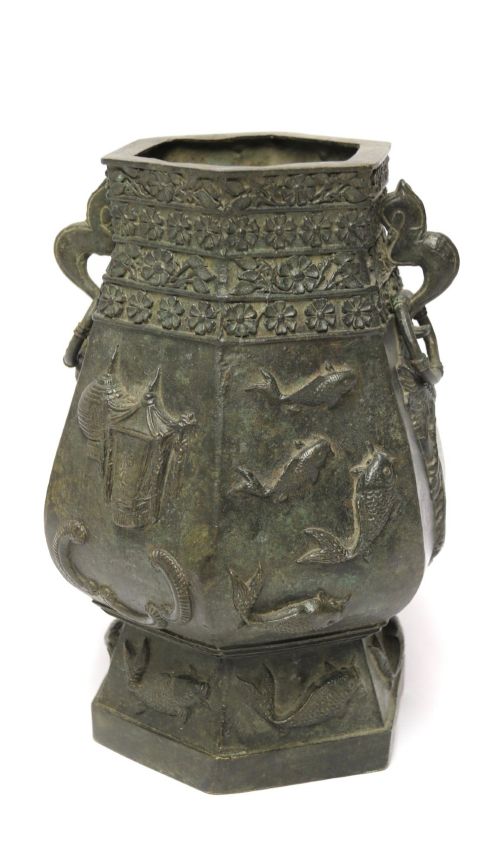
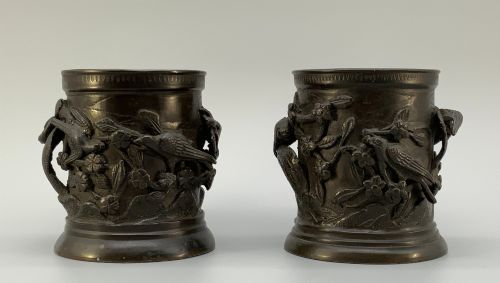
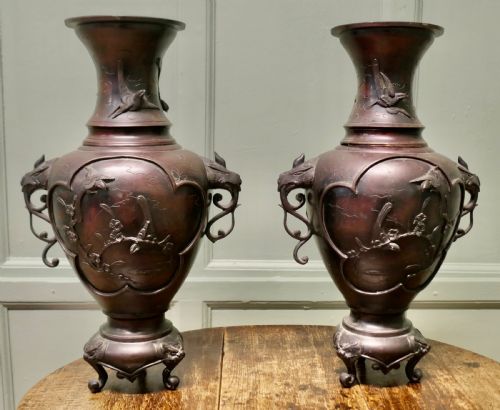
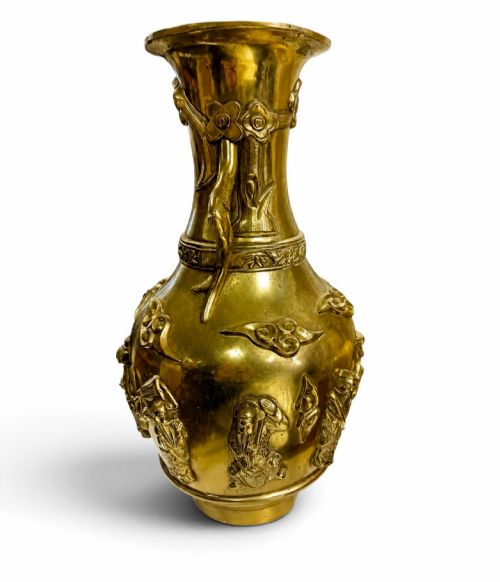
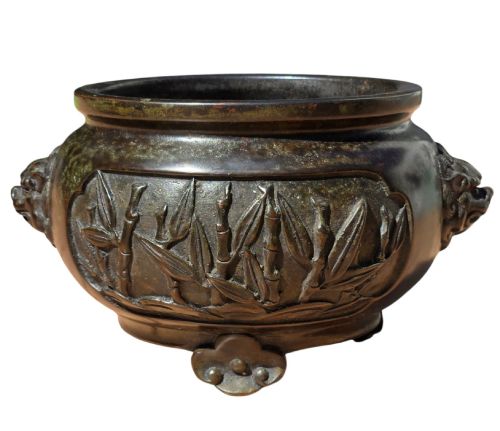
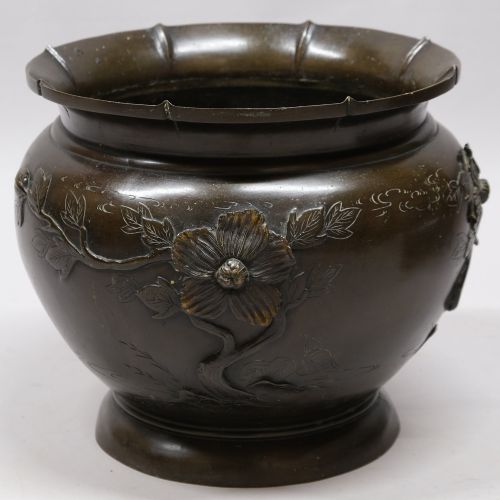
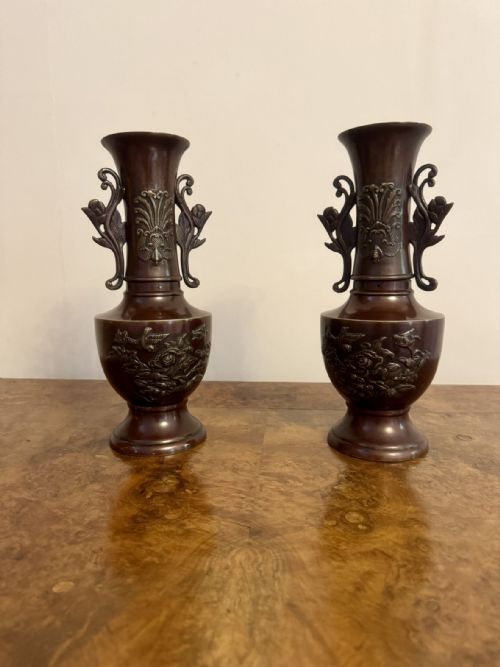
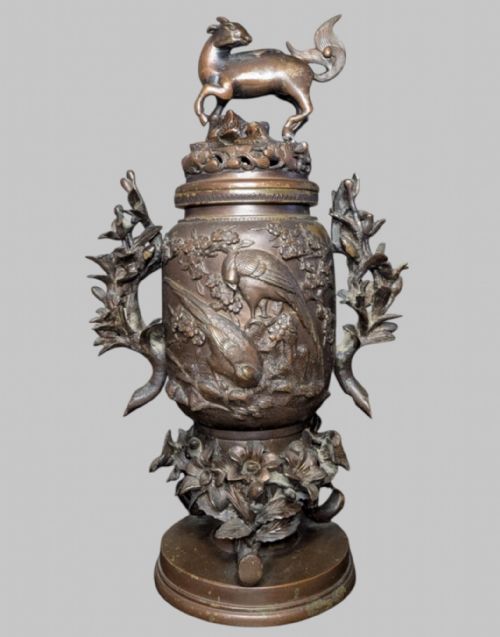
These relief carved bronze vessel pieces combine sculptural casting with botanical and figural motifs, offering collectors robust display forms from Asian and European traditions.
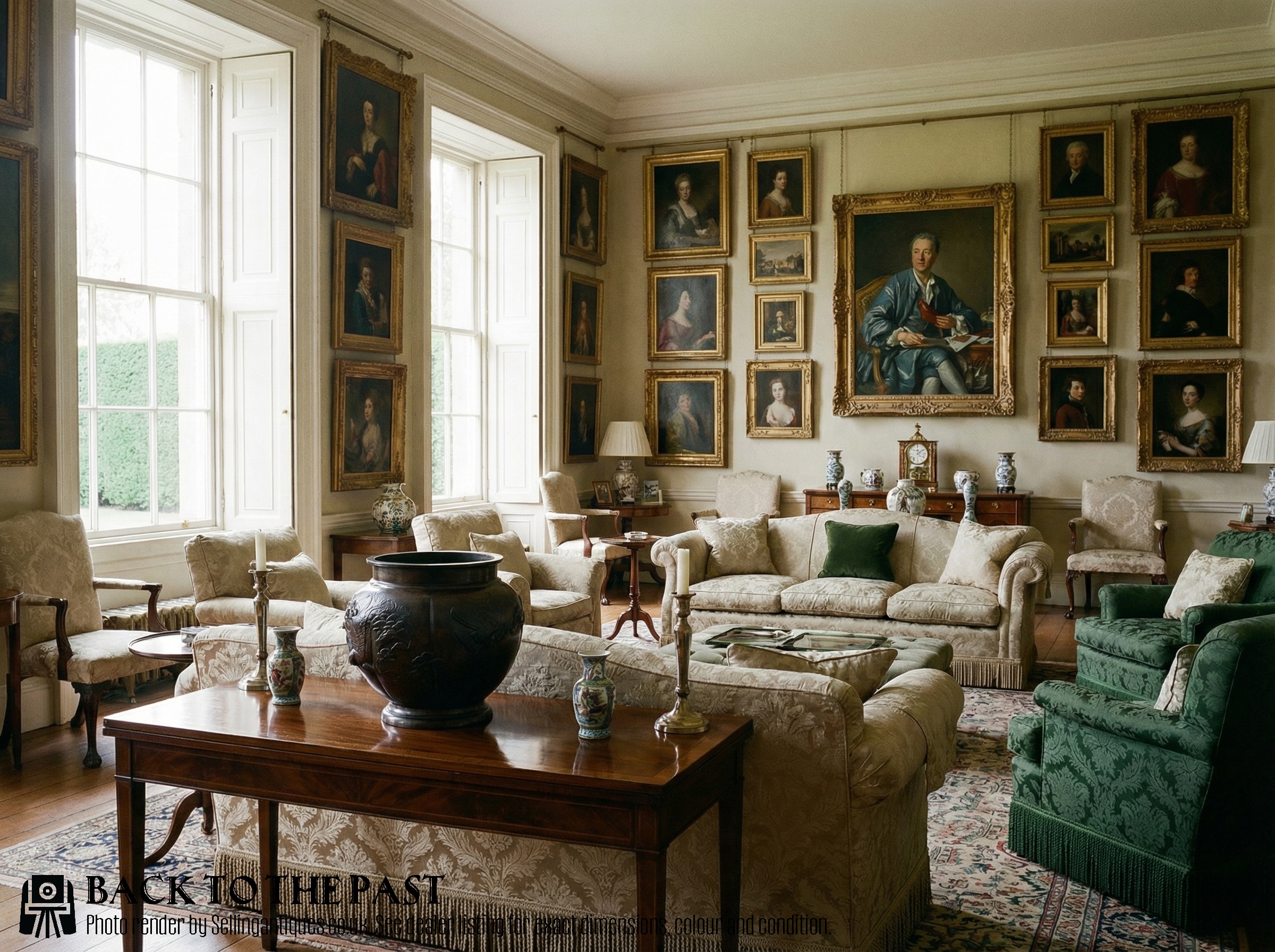
Relief Carved Bronze Vessel
A relief carved bronze vessel brings sculptural depth to utilitarian or decorative metalwork through chiselled panels, cast motifs and applied ornamentation. When you search for a relief carved bronze vessel, you encounter items designed for display or ritual use, including baluster vases, jardinieres, incense burners and kettles.
The pieces appearing on this page span several centuries, with the 19th-century Japanese Meiji period strongly represented alongside earlier Chinese dynasties and European Grand Tour items. Forms range from compact desk pots and stem vases to monumental twin-handled urns and heavy planters.
Chinese examples often draw on Ming and Qing dynasty traditions, presenting scholar's censers and high-relief baluster vases depicting Daoist immortals. Japanese Meiji period items dominate the selection, bringing birds, blossoms and elephants into high-relief bronze surfaces.
How they were made
Makers shaped these objects primarily through bronze casting, utilising copper alloys to achieve durable structures capable of holding intricate surface detail. Molten metal poured into moulds formed the core vessel shape, whether a hexagonal jar or a round jardiniere bowl.
Workmen then applied high-relief carving directly into the metal surface, chiselling details such as animal finials, floral panels and figural scenes. Certain pieces incorporate patinated bronze finishes, enamel accents or gold inlay to contrast against the dark metallic body.
Listings span multiple centuries, uniting 16th-century Ming dynasty censers with 19th-century Japanese Meiji period baluster vases.
What varies in quality
Weight and structural proportion also distinguish the range, as solid cast bodies with balanced handles and stable bases command greater presence. The integration of maker signatures, special base marks or refined patination further elevates individual items above basic production.
Kibundo·Genryusai Seiya
The Relief Carved Bronze Vessel Glossary
- Patinated bronze
- A treated metal surface showing deliberate colour changes from oxidation or chemical application. This finish deepens the visual tone of the metal and highlights carved details.
- Meiji Period
- The era in Japanese history spanning from 1868 to 1912, known for accomplished metalwork and decorative export goods. Pieces from this time frequently feature naturalistic motifs.
- Jardiniere
- A decorative pot or container designed to hold plants or floral arrangements. These heavier vessels often sit on large tables or floor stands.
- Incense burner
- A ritual or decorative vessel featuring a pierced lid for releasing smoke from burning aromatic materials. Japanese examples of this form are often termed koro.
- Copper alloy
- A broad category of metal mixtures containing copper, such as brass or bronze. These materials provide the ductile base necessary for intricate relief carving.
Relief Carved Bronze Vessel: Frequently Asked Questions
What is a relief carved bronze vessel used for?
These vessels served various functions depending on their original cultural context, ranging from domestic flower displays to ritual burning of incense.
Larger forms functioned as jardinieres for plants or decorative floor urns, while smaller vessels served on scholar's desks for holding brushes or posies.
How do I identify a Meiji period bronze piece?
Meiji period items typically display natural motifs such as birds, blossoms and elephants rendered in high-relief copper-alloy casting.
Many examples from this era originate from Japanese workshops and may feature signatures or distinct patinated finishes.
How should I clean antique bronze?
Antique bronze requires minimal intervention to preserve the original patina and surface characteristics built up over decades.
Dusting with a dry, soft cloth is generally sufficient, avoiding harsh metal polishes that can strip away historic colour and finish.
What distinguishes Chinese bronze vessels from Japanese ones?
Chinese bronze vessels often reference classical dynasty styles, incorporating scholar's censer forms or Daoist iconography with archaic motifs.
Japanese pieces from the later 19th century tend toward dynamic naturalism, featuring flora and fauna rendered in sharp relief.