





Antique Asian Bronze Basin
These antique asian bronze basin examples are heavy metal vessels shaped for plants and water, offering deep patinas that anchor a traditional room.
Antique Asian Bronze Basin
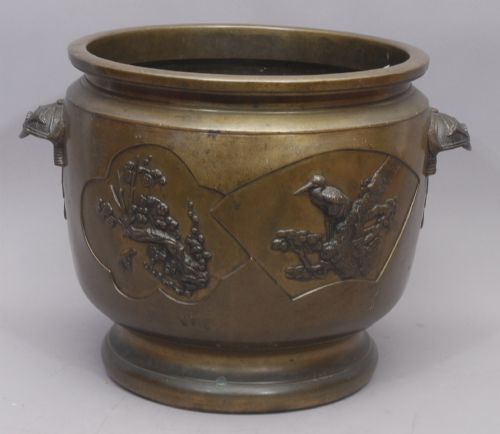
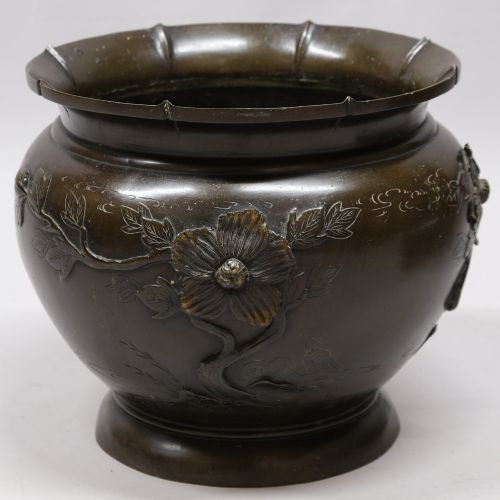
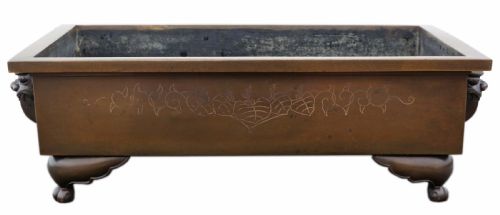
When you search for an antique asian bronze basin, you are looking at heavy metal vessels designed primarily as jardinières, planters, and decorative bowls. Most examples found here originate from Japan and China, spanning periods from the Edo and Qing dynasties through to the early twentieth century.
These items were cast for display in courtyards, temples, and formal interiors, serving both practical horticultural roles and purely decorative functions. Their substantial weight and durable bronze or brass construction ensured they survived centuries of use.
How they were made
The primary material across these listings is bronze, supplemented by brass, patinated bronze, and occasionally fitted wood elements. Metalworkers utilised traditional casting techniques to create thick-walled vessels capable of holding earth and water.
Surface finishes rely heavily on natural and applied patination, developing rich dark tones and oxidized surfaces over decades of exposure. Artisans shaped these heavy metallic bodies into deep bowls, garden urns, and wide planters without modern industrial machinery.
Antique Asian Bronze Basin Retail Price Guide 2026
Typical asking prices for asian bronze basin among the pieces listed under this phrase on Sellingantiques today, from the lower quarter to the upper quarter. They describe what is for sale here now, not the wider market.
Several pieces weigh over two kilograms, proving that heavy metal gardening was serious business centuries ago.
What varies in quality
Quality in these heavy metal vessels rests in the weight of the casting and the depth of the metalwork. Thicker walls and more substantial mass indicate a higher standard of production from the outset.
The refinement of the surface patinated bronze and the integrity of the original form distinguish superior examples from simpler utilitarian containers. Pieces that retain their intended heavy proportions without structural compromise stand apart in any collection.
The Antique Asian Bronze Basin Glossary
- Bronze
- An alloy consisting primarily of copper, commonly combined with tin. It provides the heavy, durable foundation for these vessels.
- Patinated bronze
- Metal treated to accelerate or control oxidation, producing a deliberate surface colour. This finish protects the underlying alloy while enhancing visual depth.
- Jardiniere
- An ornamental pot or stand for holding plants or flowers. These large receptacles form the majority of the current listings.
- Edo period
- A division of Japanese history spanning from the early seventeenth to the mid-nineteenth century. Pieces from this era often display early archaic styling.
Antique Asian Bronze Basin: Frequently Asked Questions
How do I date a bronze basin?
Dating relies heavily on stylistic markers associated with specific historical eras like the Meiji or Edo periods. The presence of archaic forms, specific casting techniques, and recorded provenance help establish the age.
Material composition and the depth of the natural patination also offer strong clues regarding the century of manufacture.
Are these pieces made of solid bronze?
The listings comprise items cast from bronze, brass, and patinated bronze, often accompanied by wood components. These metals provide the substantial weight necessary for holding heavy garden earth and water.
Wall thickness varies between pieces, reflecting the intended function and the specific workshop standards of the period.
How do I care for an antique bronze basin?
Maintaining these metal vessels requires gentle dusting and protection from abrasive cleaning agents that could strip the aged patina. If used for plants, using a removable inner liner prevents moisture from sitting directly against the historic metal surface.
Placing the heavy bowl on a stable surface ensures the substantial weight is supported safely without risk of tipping.