



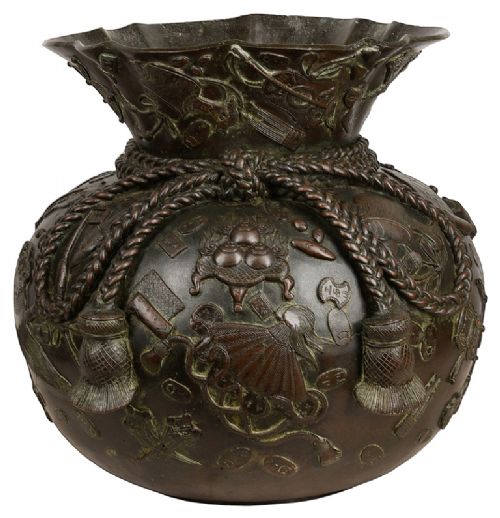


Carved Bronze Planter Pot
These carved bronze planter pot examples bring distinct Asian and European forms into domestic spaces.
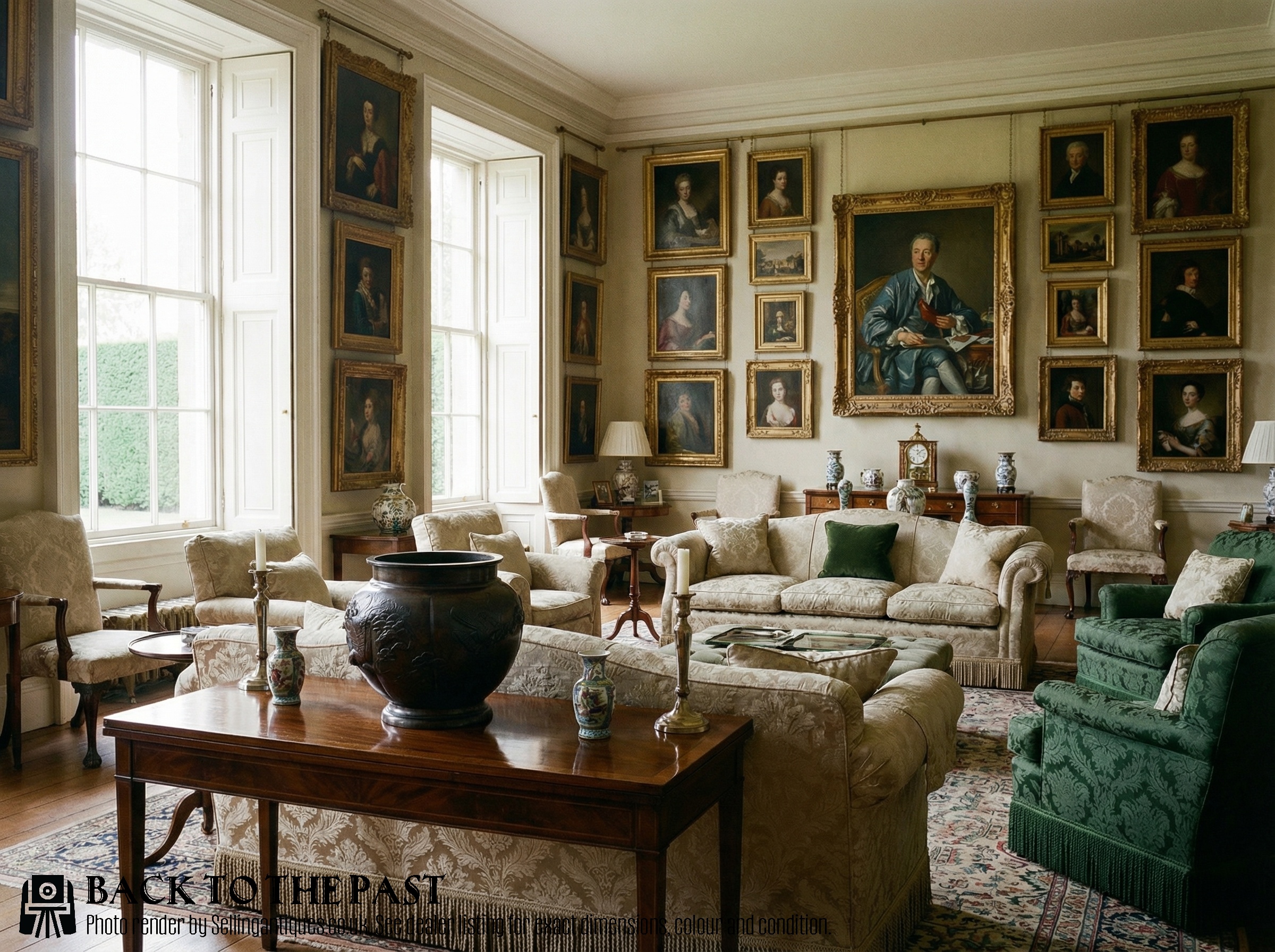
Carved Bronze Planter Pot
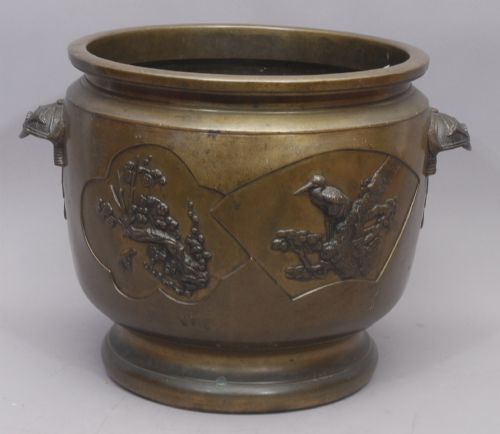
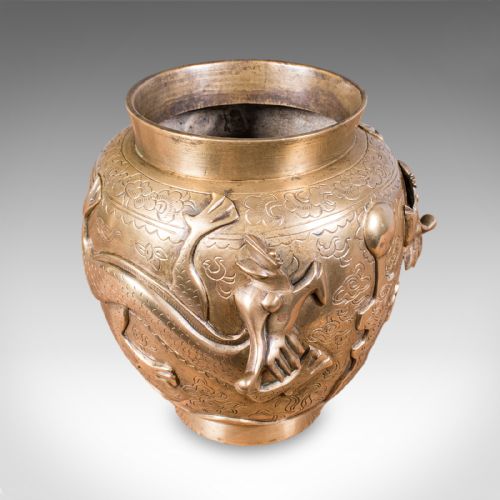
A carved bronze planter pot encompasses heavy metal vessels designed to hold plants and floral displays, appearing frequently as oriental jardinieres and decorative bowls. Buyers investigating a carved bronze planter pot typically encounter pieces originating from Japanese Meiji, Edo, and Chinese Qing contexts alongside 19th-century European iterations.
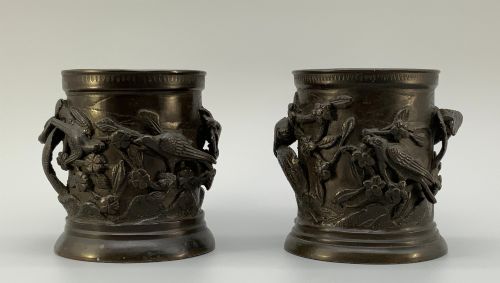
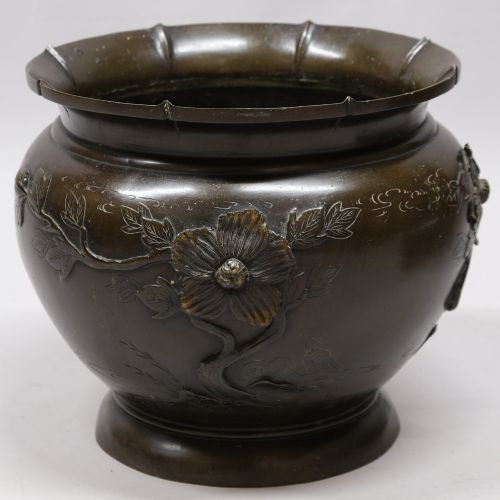
The forms span from small desk pots and bowls to large floor-standing jardinieres and vases adapted for botanical use. Most examples demonstrate intricate surface work, depicting natural motifs such as birds and blossoms across patinated surfaces.
How they were made
These items rely on bronze and brass construction, often finished with a dark patination that highlights the metalwork. Artisans applied carving, casting, and surface detailing to render birds, foliage, and traditional motifs across the exterior walls of each vessel.
Heavier items demonstrate substantial metal weight, such as large Chinese bowls scaling multiple kilograms, requiring robust casting techniques to achieve thick, durable walls capable of holding earth and water.
Carved Bronze Planter Pot Retail Price Guide 2026
Typical asking prices for carved bronze planter pot among the pieces listed under this phrase on Sellingantiques today, from the lower quarter to the upper quarter. They describe what is for sale here now, not the wider market.
Listed forms span 19th-century jardinieres, decorative desk pots, and large heavy bowls.
What varies in quality
Distinctions in quality rest upon the crispness of the surface carving and the depth of the patination. Superior examples display sharply defined motifs and balanced proportions that elevate utilitarian vessels into decorative works of art.
The weight and integrity of the bronze casting also separate standard production items from finer specimens. Heavier walls and carefully finished rims indicate a higher standard of workshop output.
The Carved Bronze Planter Pot Glossary
- Jandiniere
- A large ornamental pot or stand for holding flowers or plants. These vessels often form the primary bulk of metal planter listings.
- Patination
- The process by which a greenish or dark surface film develops on bronze through age or chemical treatment. This finish accentuates carved details.
- Meiji Period
- A Japanese historical epoch spanning from 1868 to 1912 noted for detailed metalwork exported abroad. Many decorative bronze vessels date from this era.
- Edo Period
- The period in Japanese history lasting from 1603 to 1867 preceding the Meiji era. Items from this time exhibit traditional craft techniques.
Carved Bronze Planter Pot: Frequently Asked Questions
What is a carved bronze planter pot?
A carved bronze planter pot is a metal vessel utilised for displaying plants, featuring surface decoration such as birds, blossoms, or traditional Asian motifs.
These pieces function primarily as jardinieres or decorative bowls within interior spaces, originating from various 19th-century and Asian periods.
How were these metal pots used?
These vessels were created to house potted plants or floral arrangements inside domestic rooms, adding decorative weight to tabletops or desks.
Larger jardinieres stood independently on floors or plant stands, serving as both functional holders and sculptural art objects.
How do I identify a Meiji period piece?
Meiji period items originate from late 19th-century or early 20th-century Japan and typically feature highly detailed casting work.
They frequently display naturalistic themes like birds and blossom alongside rich patinated bronze finishes.
What materials are these planters made from?
The primary material is bronze, often enhanced with a dark patination to bring out the carved surface textures.
Some related examples also incorporate brass or heavy cast metal compositions suited to holding earth and moisture.