
Japanese Meiji Period Urn
These heavy cast-metal vessels and decorated ceramics embody the expressive metalwork and ceramic arts of the Japanese Meiji period urn tradition.
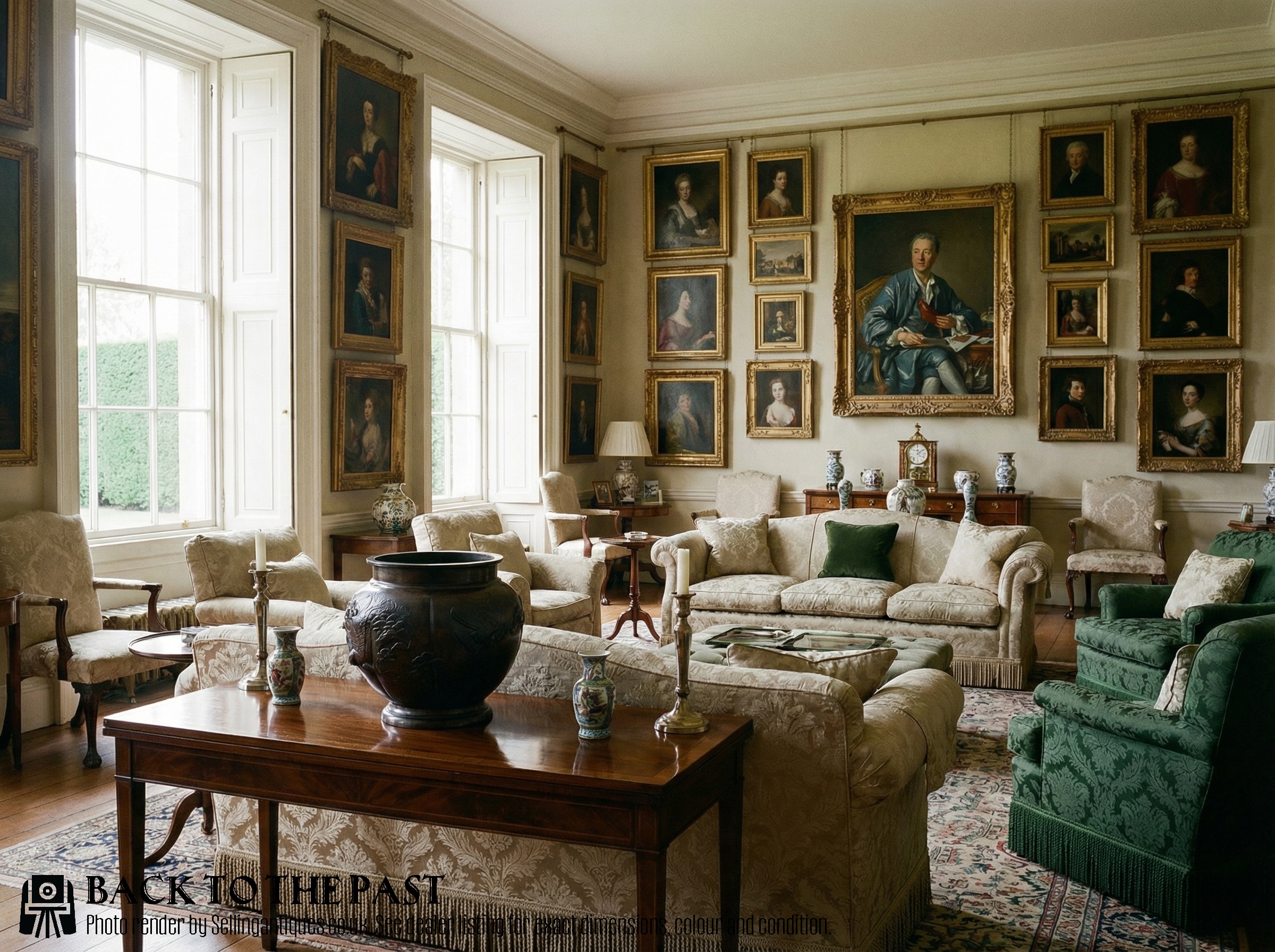
Japanese Meiji Period Urn
A japanese meiji period urn encompasses lidded vessels, incense burners, and decorative containers produced during the late nineteenth and early twentieth centuries. These objects reflect the artistic output of Japanese workshops catering to both domestic and international markets following the opening of trade.
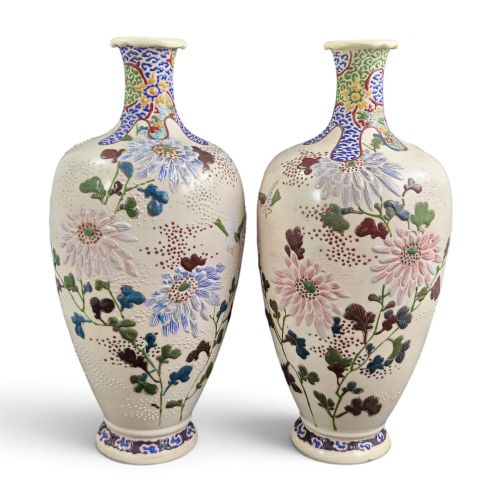
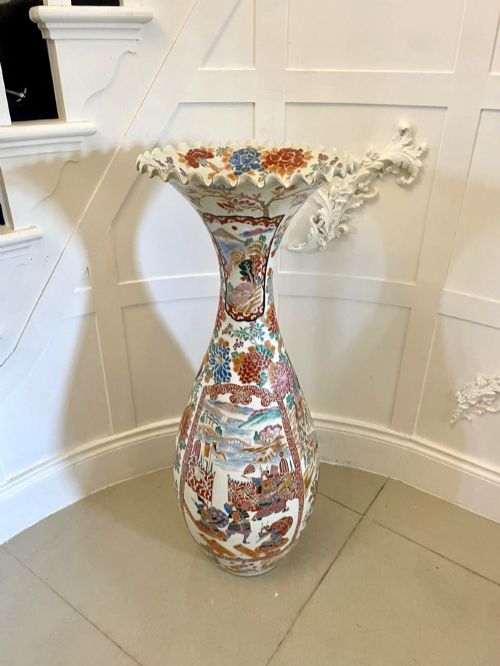
Vessels on this page span several distinct ceramic and metallic traditions, including cast bronze, earthenware pottery with intricate enamel decoration, and porcelain painted in the Imari palette. Forms range from compact table models to substantial floor-standing pieces intended as focal points in a room.
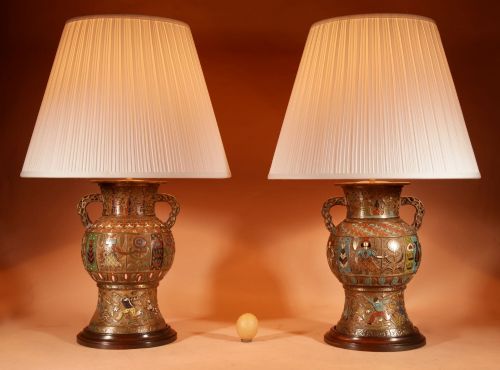
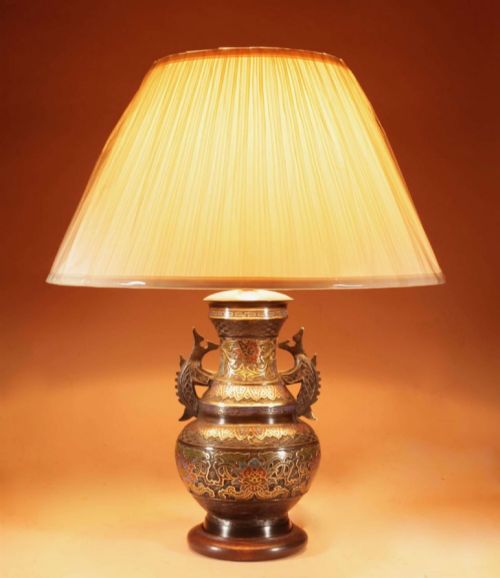
Many examples retain original lids or covers, while others were made as open-topped display pieces or converted into table lamps during subsequent decades. The physical scale varies widely, from modest fifteen-centimetre mantel ornaments to monumental floor vases standing over a metre tall.
How They Were Made
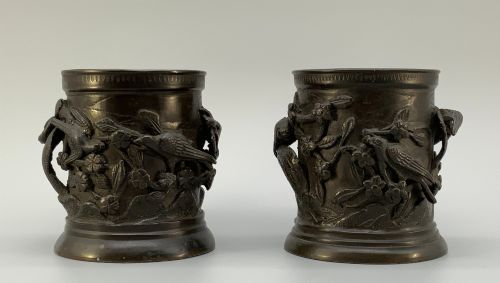
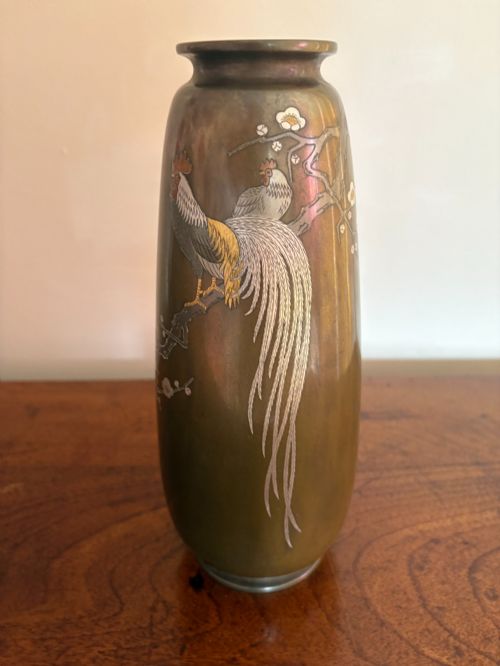
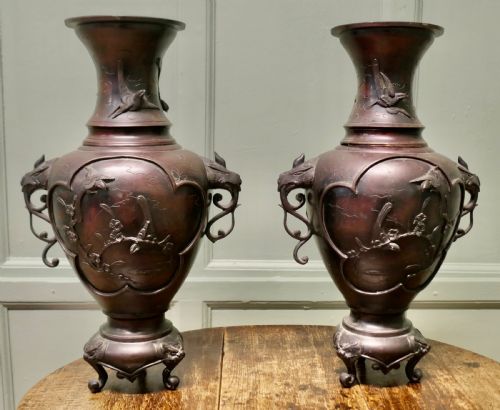
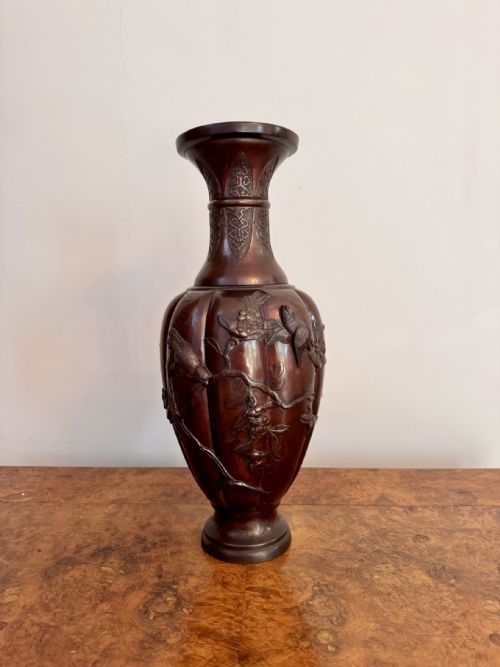
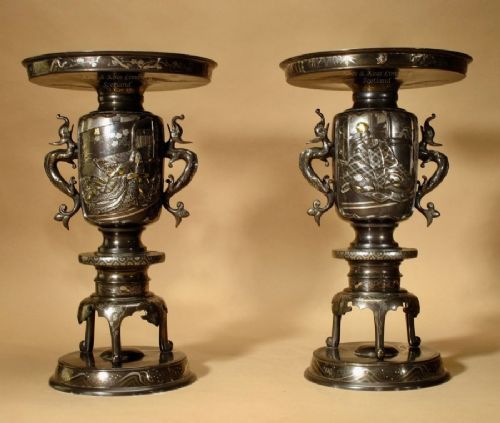
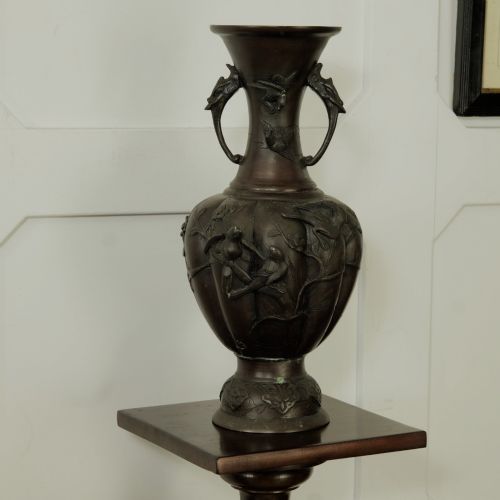
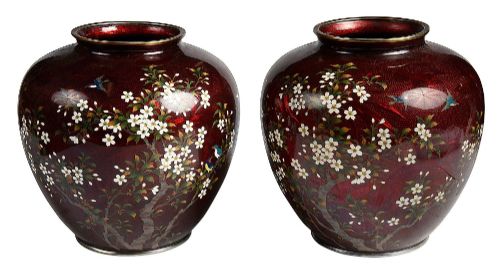
Metal vessels utilise lost-wax bronze casting techniques, often enhanced with surface inlays of contrasting metals, carved details, and champlevé enamel work. Artisans manipulated molten alloy to achieve crisp avian, floral, and figural motifs before applying chemical patination.
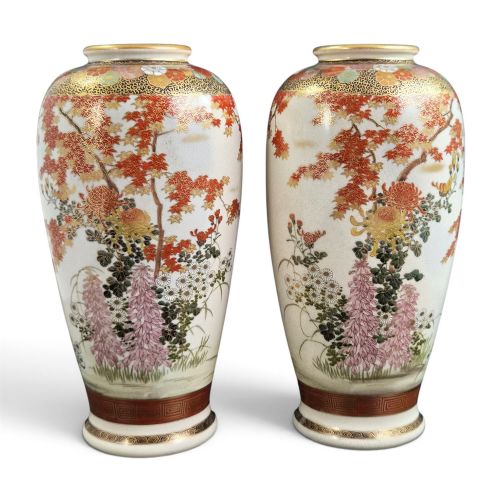
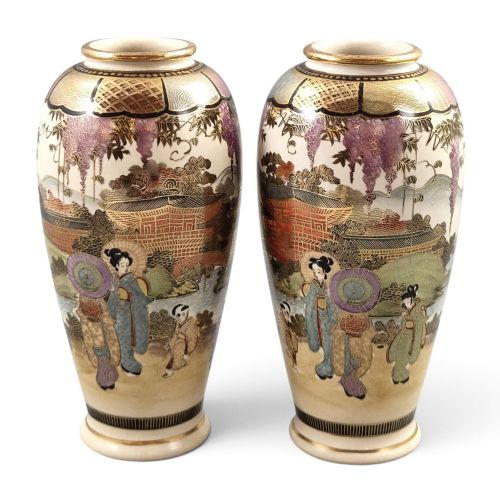
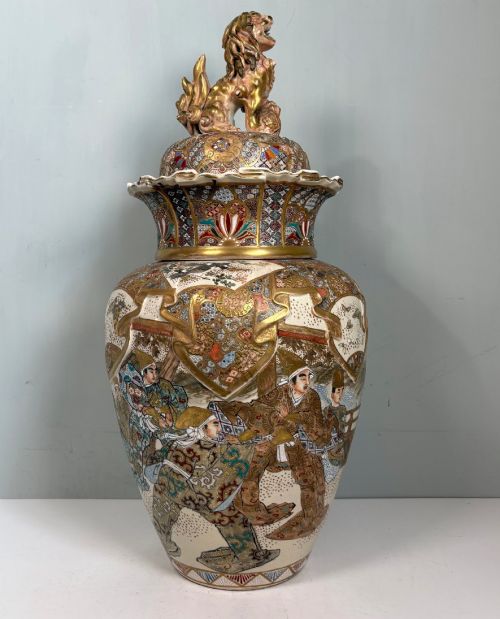
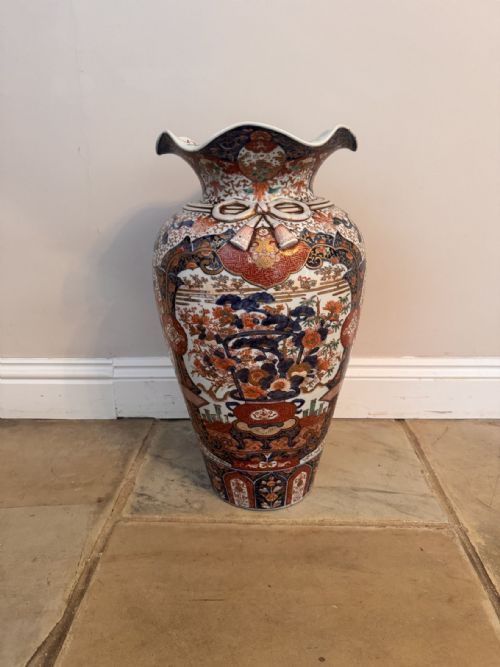
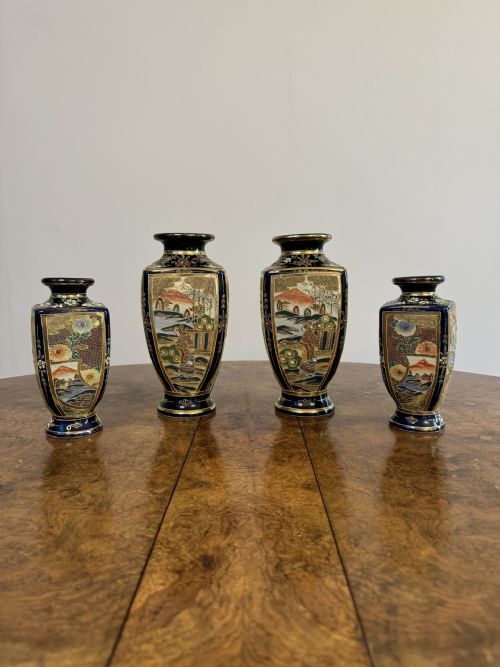
Ceramic pieces rely on earthenware or porcelain bodies shaped on the wheel or in moulds, then painted with mineral pigments, gold leaf, and glossy glazes. Satsuma wares employ a characteristic crackle-glaze earthenware foundation decorated with densely rendered pictorial scenes, while Imari ceramics feature deep underglaze blue and iron red over white porcelain.
Several bronze pieces include subtle depictions of local fauna, such as birds perched among blossoming branches.
What Varies in Quality
Execution of detail separates ordinary production pieces from masterwork output, visible in the precision of inlaid metalwork and the fineness of hand-painted figural scenes. Superior ceramic works display disciplined brushwork and controlled gilding that does not crowd the composition.
Signatures provide a reliable indicator of distinction, as pieces bearing the marks of prominent workshops or named artists demonstrate greater mastery of technique. The structural integrity of the casting or ceramic body, alongside the preservation of original patination and enamel work, determines overall standing.
KANASAWA·Maruni Kobe·Shozan·Kinkōzan Workshop·Kinzan·Hotoda·MAKUZU KOZAN
The Japanese Meiji Period Urn Glossary
- Meiji Period
- The era in Japanese history spanning from 1868 to 1912, corresponding with the reign of Emperor Meiji. This period marked significant modernisation and a surge in decorative arts created for export.
- Satsuma
- An earthenware ceramic type originating from the Satsuma Domain, characterised by an ivory-coloured, crackled glaze and elaborate polychrome and gilt decoration depicting figures, flora, and fauna.
- Imari
- A style of Japanese porcelain named after the port from which it was shipped, traditionally featuring a strong palette of underglaze cobalt blue, iron red, gold, and secondary green enamels.
- Koro
- A traditional Japanese incense burner, typically featuring a perforated lid to allow scented smoke to escape and often supported on three or more feet.
- Champlevé
- An enamelling technique where troughs or cells are carved into a metal surface and filled with vitreous enamel paste before firing and polishing.
Japanese Meiji Period Urn: Frequently Asked Questions
How do I clean a bronze vessel?
Dust metal surfaces gently with a dry, soft cloth to prevent accumulation without disturbing the historic patination. Avoid water, commercial polishes, or chemical cleaners that strip the aged finish.
For ceramics, use a damp cloth followed immediately by drying, taking care around areas with exposed gold leaf or delicate enamelwork.
Were these pieces made for export?
Many objects produced during this era were specifically created for international exhibition and export to Western markets following the reopening of trade ports. Makers adapted traditional forms and decorative themes to suit the tastes of European and American collectors.
Despite this commercial focus, workshops maintained high standards of traditional craftsmanship, combining native motifs with ambitious scale.
How are Satsuma and Imari distinguished?
Satsuma wares are earthenware ceramics featuring an ivory-coloured body covered in a fine network of crackled glaze, painted primarily in opaque enamel colours and raised gold. They typically portray dense figural scenes, historical narratives, or processions.
Imari pieces are hard-paste porcelains decorated under and over the glaze with a rigid palette dominated by cobalt blue and iron red, frequently accented with gilding in geometric and floral patterns.
Can converted lamps be restored?
Many nineteenth-century vessels were adapted into table lamps during the twentieth century by drilling bases or adding wiring fittings. Restoring such a piece to its original state depends on the nature of the alteration and whether the body itself was compromised during conversion.
Many collectors choose to preserve the lamp wiring if the conversion was executed sympathetically without harming the primary vessel structure.