


Meiji Period Planter
A meiji period planter brings the tactile weight of bronze and intricate ceramic artistry into modern rooms, drawing the eye with enduring craftsmanship.
Meiji Period Planter
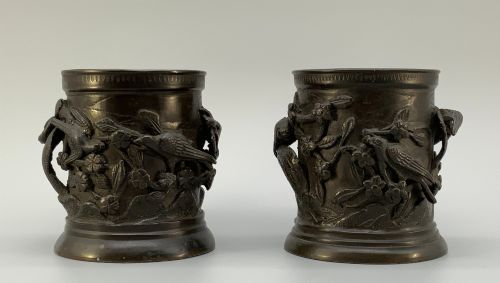
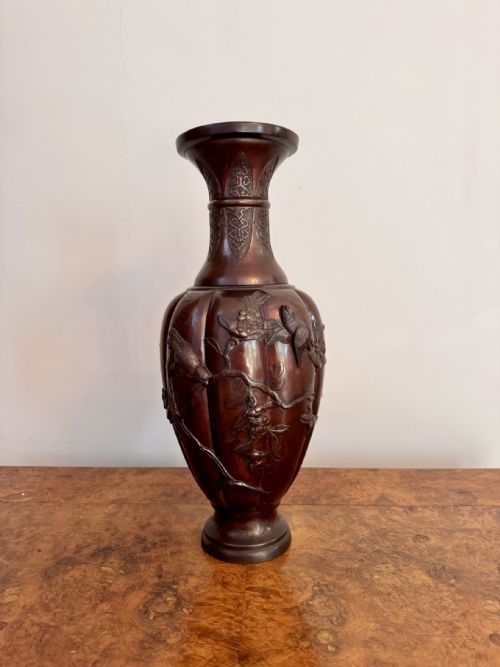
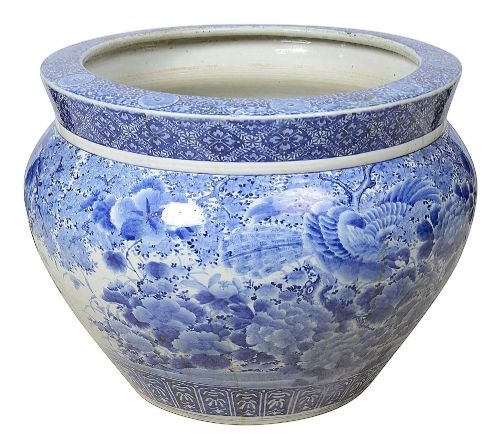
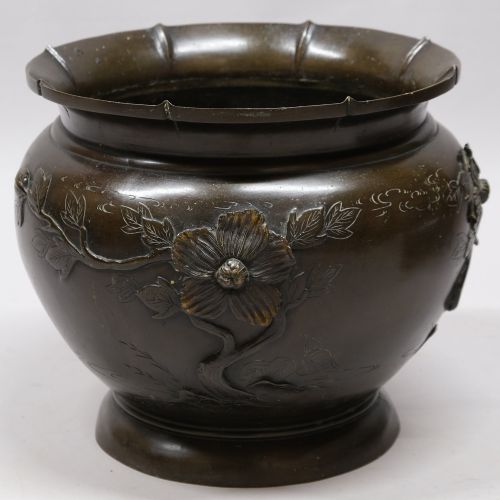
When searching for a meiji period planter, collectors encounter vessels designed to hold plants, water arrangements, or serve as decorative bowls. The selections on this page predominantly include heavy bronze jardinieres alongside porcelain and earthenware examples from the late nineteenth and early twentieth centuries.
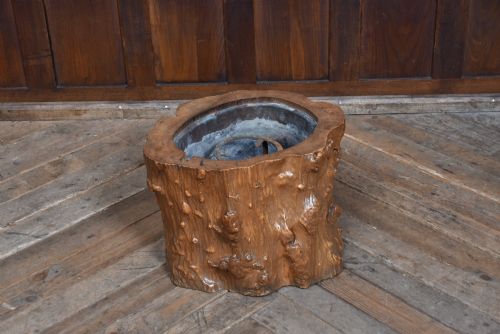
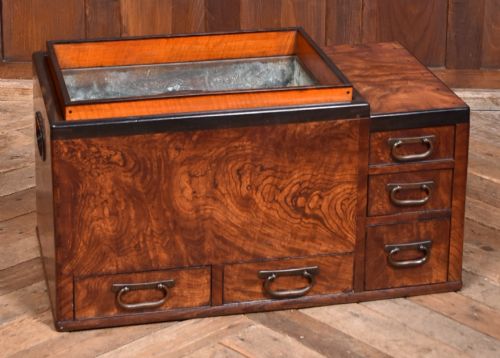
These items reflect the stylistic shifts of their era, ranging from traditional Japanese motifs to pieces influenced by international trade. Forms span from substantial garden urns and tabletop bowls to specialised items like hibachi and brush washers.
The objects bridge functional horticulture and decorative arts. Many survive with accompanying stands or retain marks from notable makers, anchoring them firmly in the material culture of late nineteenth-century Japan.
Materials and construction
Metal vessels rely heavily on cast bronze, often finished with patination or detailed with champlevé enamel work. The casting process allowed for high-relief decoration depicting birds, foliage, and dragons.
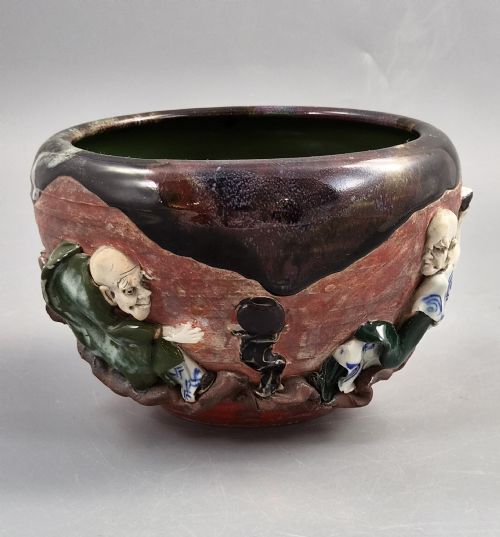
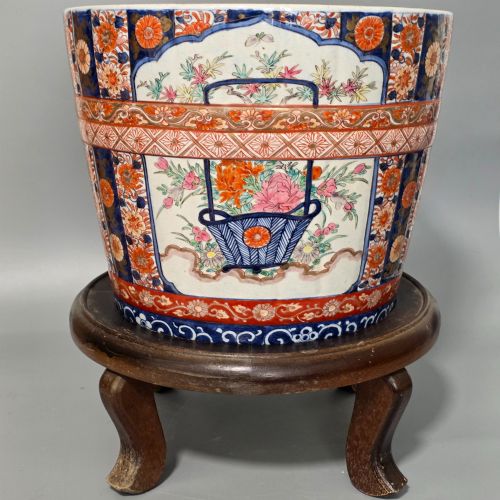
Ceramic pieces utilise porcelain, earthenware, and stoneware bodies. Makers applied underglaze blue and white designs, Imari palettes, or built sculptural elements in relief directly onto the clay surface.
Some stoneware bowls feature tiny ceramic figures climbing up the rim as if attempting to peer inside the planter.
Assessing quality and execution
The standard of a bronze piece rests upon the crispness of the casting and the depth of the relief work. Superior examples show meticulous finishing to the details, whereas lesser items display softer edges and generalized surface textures.
In ceramics and enamelware, the refinement of the glaze and the precision of painted or inlaid elements dictate the tier. Signed works by recognised makers demonstrate a higher level of individual artistry compared to anonymous production.
Inoue Ryōsai·Makuzu Kozan II
The Meiji Period Planter Glossary
- Jardiniere
- A decorative ornamental pot or stand designed to hold a plant or floral arrangement. These vessels typically sit on tabletops or directly on the floor.
- Hibachi
- A traditional Japanese heating device often adapted in collections as a decorative bowl or planter. They are constructed from wood, ceramic, or metal.
- Imari
- A style of Japanese porcelain decorated in underglaze blue, iron red, and gold. This palette became prominent for export wares during the period.
- Champleve
- An enamelling technique where troughs are carved into the metal surface and filled with vitreous enamel before firing. It creates distinct coloured patterns within the metal framework.
- Suiban
- A shallow basin used for holding water and supporting floral displays in Japanese arrangements. These containers often double as brush washers in scholarly contexts.
Meiji Period Planter: Frequently Asked Questions
What is a meiji period planter used for?
These vessels originally served practical functions in Japanese interiors and gardens, holding potted plants, water, or charcoal in the case of hibachi. Today, owners utilise them primarily as decorative focal points or sculptural cachepots for houseplants.
Their robust construction allows them to transition smoothly from interior display spaces to sheltered garden areas. Many collectors also appreciate them purely as standalone bronze or ceramic art objects.
How do I identify a meiji period planter?
Identification relies on examining the materials, manufacturing techniques, and stylistic markers characteristic of late nineteenth and early twentieth-century Japanese craftsmanship. Look for patinated bronzes, traditional Imari porcelain, or distinctive regional styles like Sumida Gawa pottery.
Signatures or studio marks on the base often provide further clues to the maker and exact period of production. Comparing the weight and casting quality against known examples helps confirm authenticity.
Are these planters waterproof?
Many bronze and porcelain vessels were originally designed to hold water or damp soil, making them naturally resilient. However, hairline fractures can develop in older ceramics over decades of use.
It is advisable to use a modern liner inside antique vessels to protect the historic interior from moisture and mineral deposits. This preserves the integrity of the material for future generations.
How should I care for bronze planters?
Bronze requires minimal intervention beyond gentle dusting with a soft cloth to maintain its patinated surface. Avoid chemical cleaners or abrasive polishes that can strip away the historical finish.
Keeping the metal away from excessive moisture and direct sunlight prevents further oxidation. Applying a microcrystalline wax can offer additional protection if the piece is handled frequently.