



Antique Metal Cachepot
An antique metal cachepot brings living greenery indoors within a decorative vessel forged from brass, copper, or bronze during the nineteenth and early twentieth centuries.
Antique Metal Cachepot
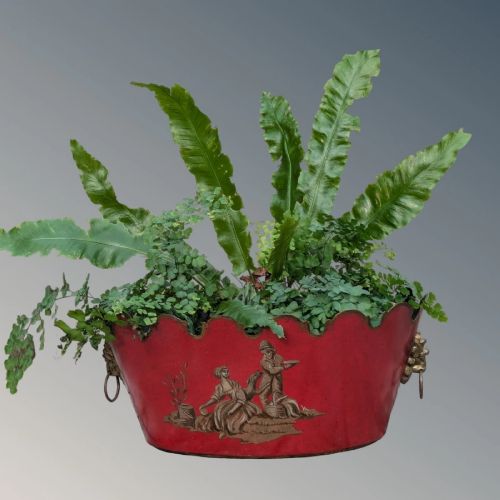
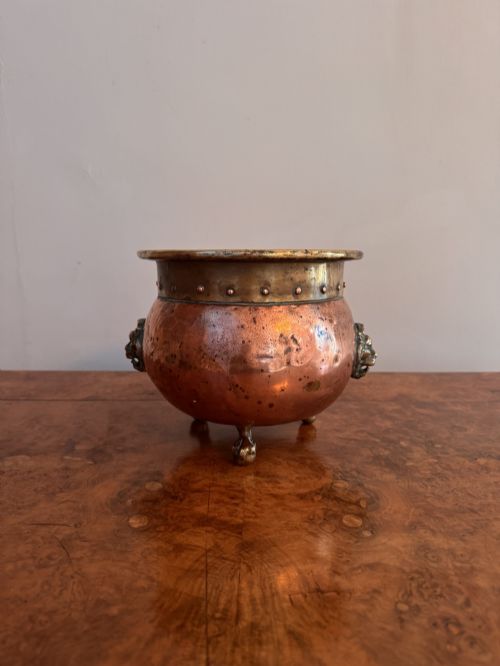
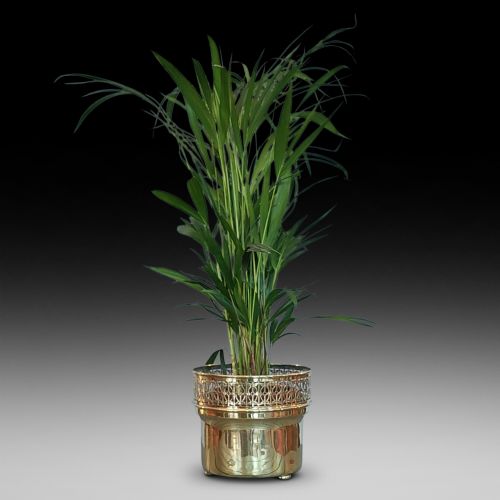
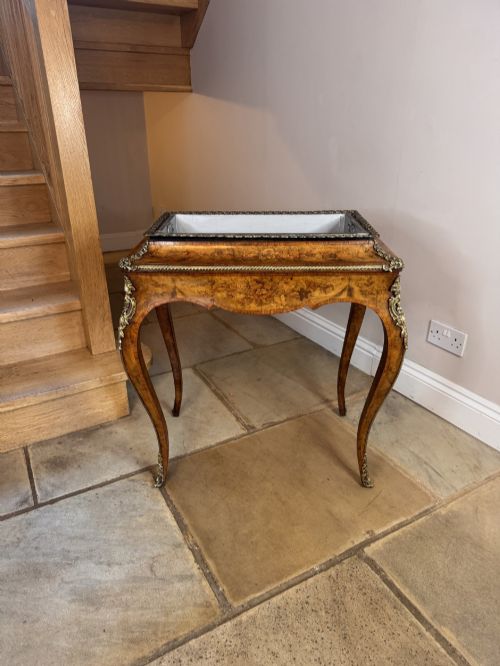
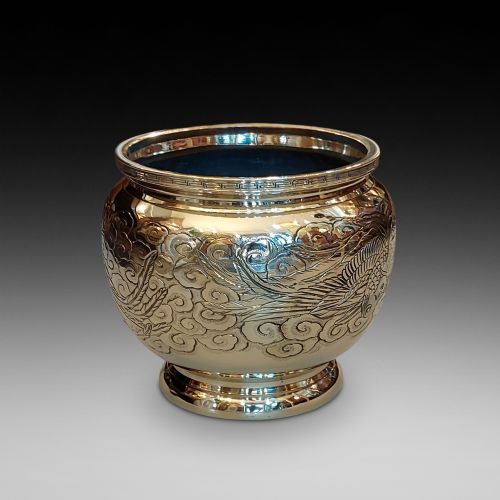
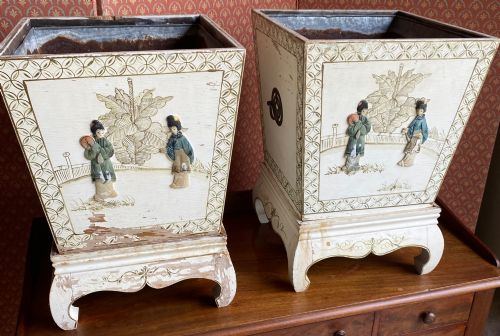
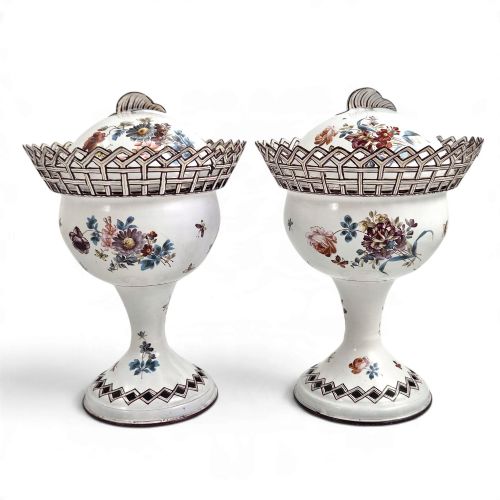
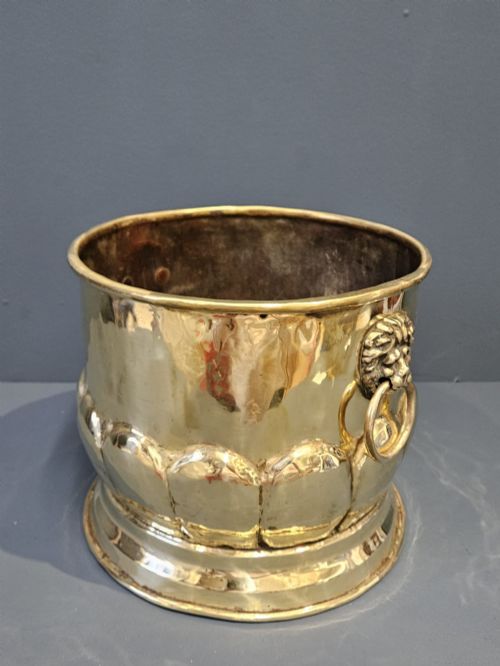
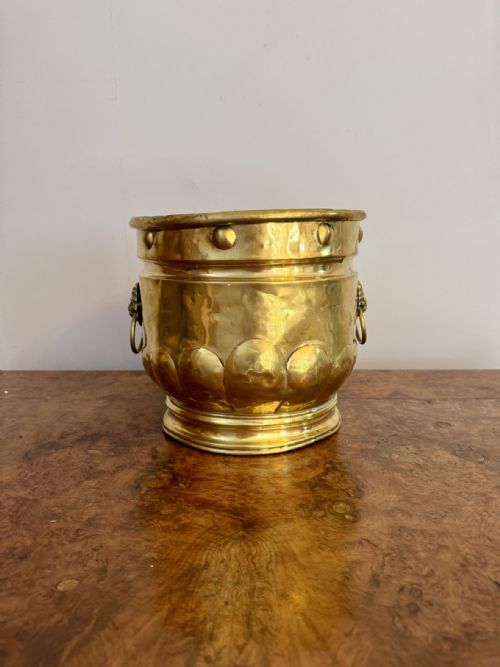
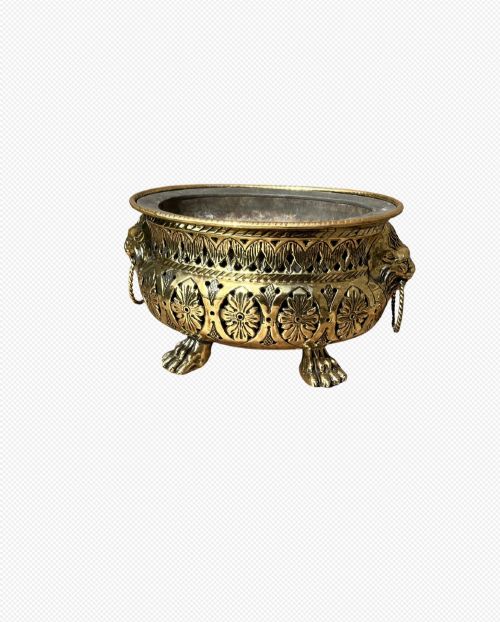
An antique metal cachepot functions as an ornamental container designed to house potted plants inside the home. These pieces appear frequently in brass, copper, and bronze across nineteenth and early twentieth century periods. Common forms include cylindrical planters, footed bowls, and handled jardinieres.
The selections span Victorian domestic wares, Edwardian copper designs, and Arts & Crafts hand-beaten vessels. Buyers also encounter imported items such as Chinese bronze pieces and Japanese Meiji period examples alongside British and Dutch items. Most examples serve to conceal standard terracotta flower pots.
Makers utilised various terminology in period titles, occasionally listing these items as jardinieres, plant holders, or coal buckets. The primary shape remains a deep circular basin intended to protect interior surfaces from water spillage.
Materials and construction techniques
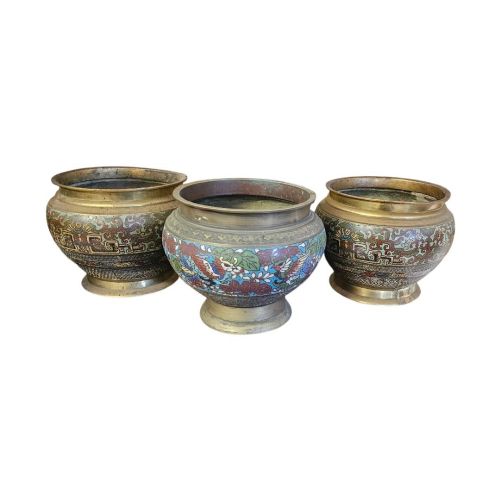
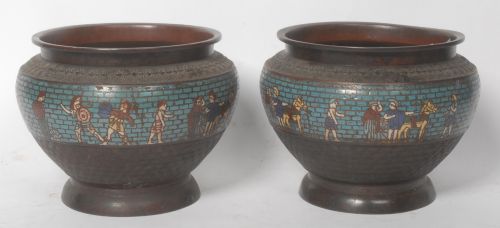
Metals such as brass, copper, and bronze form the physical basis of these vessels, shaped through spinning, casting, or hand-hammering. Artisans applied surface decoration using embossing, piercing, and champleve enamel techniques. Wrought iron elements and ormolu mounts appear on specific decorative examples.
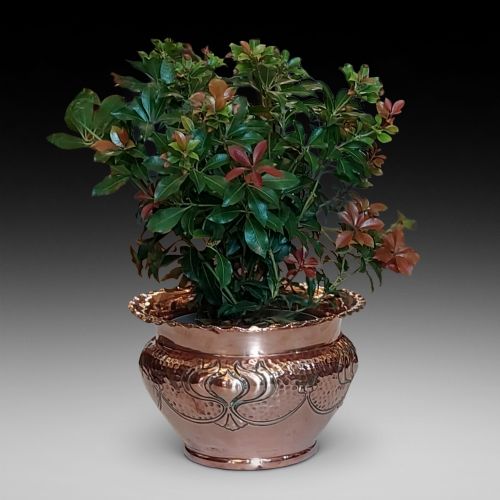
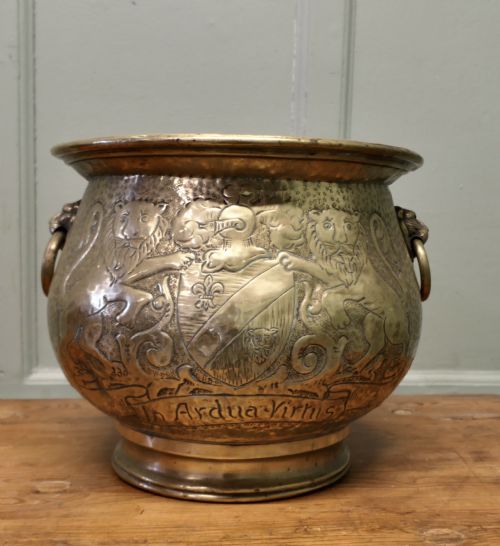
Arts & Crafts pieces demonstrate hand-raised copper construction featuring visible planishing marks from the artisan's hammer. Victorian and Edwardian brass vessels frequently utilise embossed crests, lion mask handles, or pierced rims to create texture. Dutch and Indian workshops relied heavily on hand-engraved patterns and Dinanderie work.
Antique Metal Cachepot Retail Price Guide 2026
Typical asking prices for metal cachepot among the pieces listed under this phrase on Sellingantiques today, from the lower quarter to the upper quarter. They describe what is for sale here now, not the wider market.
Several Victorian brass planters double as coal buckets, proving our ancestors liked their fuel deliveries with a side of civic crests.
Determining quality in metal planters
Quality rests upon the weight of the metal and the crispness of the surface decoration. Heavier gauge brass and solid copper indicate superior construction compared to thin, pressed sheet metal. Hand-chased details and crisp casting separate bespoke workshop pieces from mass-produced factory output.
The integrity of construction, such as securely riveted handles and watertight seams, dictates practical utility. Original stands, matching pairs, and well-preserved patination enhance the character of the vessel. Pieces retaining clear evidence of artisanal handwork command greater appreciation.
J Sankey and Sons
The Antique Metal Cachepot Glossary
- Cachepot
- A decorative flowerpot cover designed to hide a plain growing pot. The French term translates directly to hide pot.
- Jardiniere
- An ornamental stand or large basin for holding plants or flowers. These items often feature handles or rests on dedicated legs.
- Dinanderie
- The medieval and later art of working brass, copper, and bronze into decorative vessels. Named after the Belgian town of Dinant.
- Champleve
- An enamelling technique where troughs are carved into the metal surface and filled with vitreous paste before firing. This creates colourful decorative patterns.
- Planishing
- A metalworking technique involving light hammer blows with a polished tool to smooth and harden the surface. It leaves a distinctive faceted texture on Arts & Crafts copper.
- Ormolu
- Gilded bronze used for decorative mounts and decorative items. The technique involves applying a gold amalgam to a bronze base.
Antique Metal Cachepot: Frequently Asked Questions
What is an antique metal cachepot?
An antique metal cachepot is a decorative vessel made from materials like brass, copper, or bronze, created to hold and conceal a potted plant.
These containers protect furniture and window sills from water while adding metallic texture and historical style to interior spaces.
How do I clean an antique metal cachepot?
Cleaning requires gentle dusting with a soft dry cloth to preserve the historical surface patination accumulated over decades.
Harsh chemical polishes should be avoided because they strip away the aged character and darkening that collectors value.
Can I plant directly inside a cachepot?
Planting directly inside these vessels is generally discouraged because moisture and soil can cause internal corrosion and damage the metal.
Placing a separate plastic or terracotta pot inside the cachepot allows for safe watering and easy plant removal.
How do I date a brass planter?
Dating relies on stylistic clues such as Art Nouveau floral motifs, Arts & Crafts hand-hammered textures, or Victorian Gothic revival elements.
Construction methods also help, as machine-pressed seams differ from hand-riveted joints and older casting techniques.