


Polished Copper Vessel
A polished copper vessel brings warmth and honest metalwork to a room, offering both practical utility and enduring character.

What a polished copper vessel is
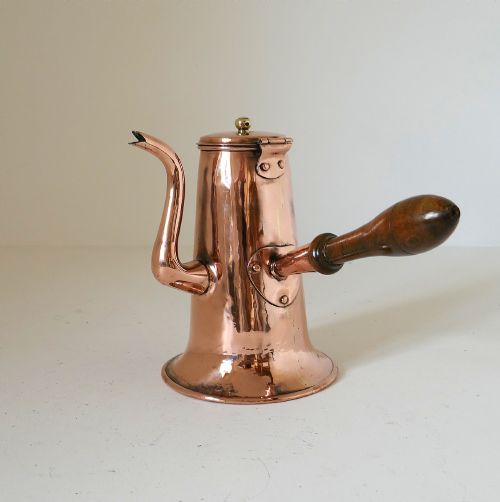
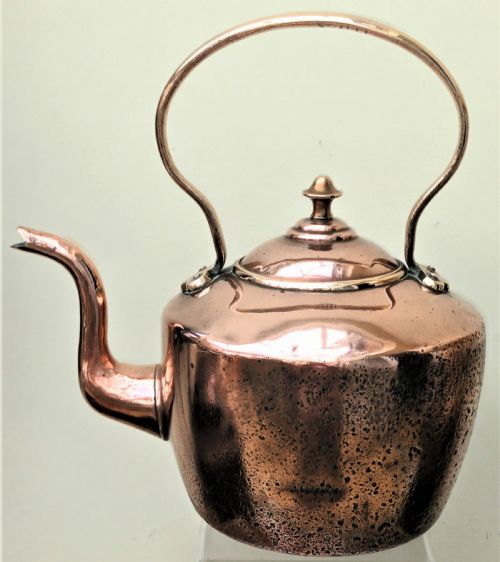
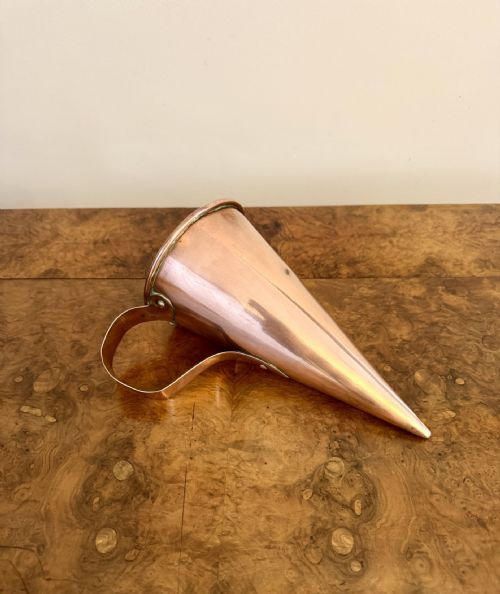
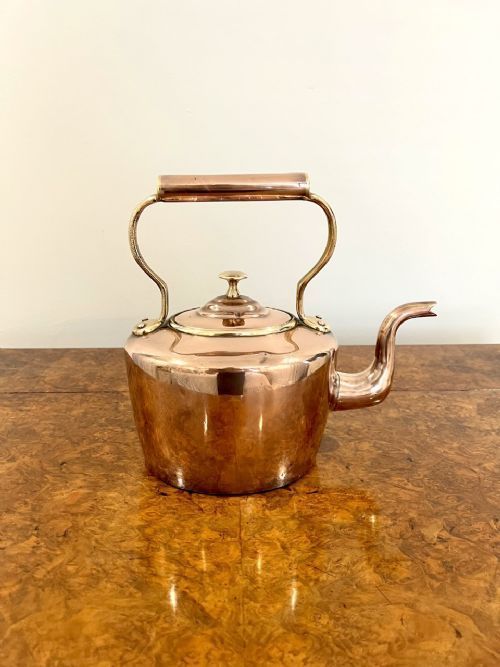
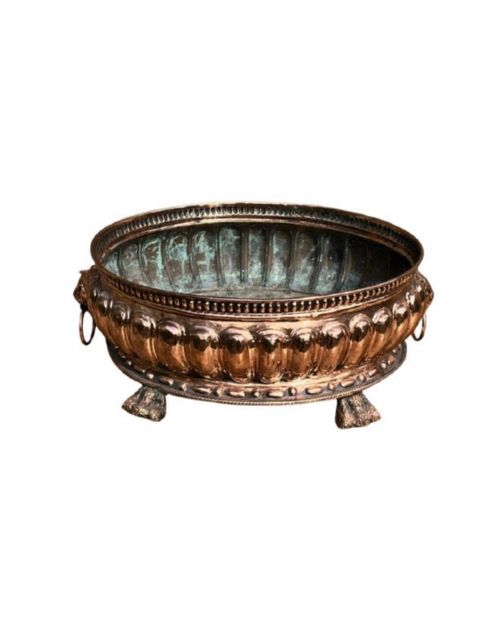
A polished copper vessel encompasses functional utilitarian items transformed by time into decorative home pieces. These objects include measures, jugs, pans, planters, and fire extinguishers originating from the Georgian and Victorian eras through to the early twentieth century.
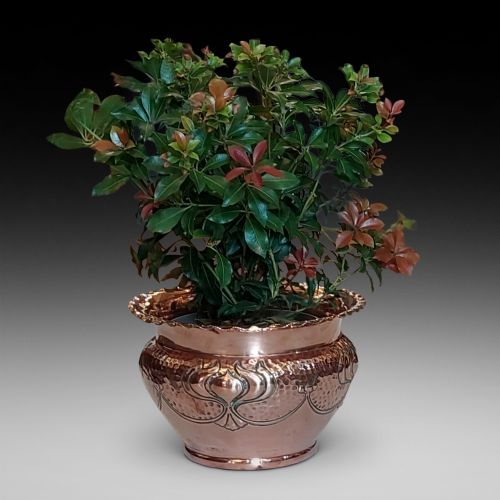
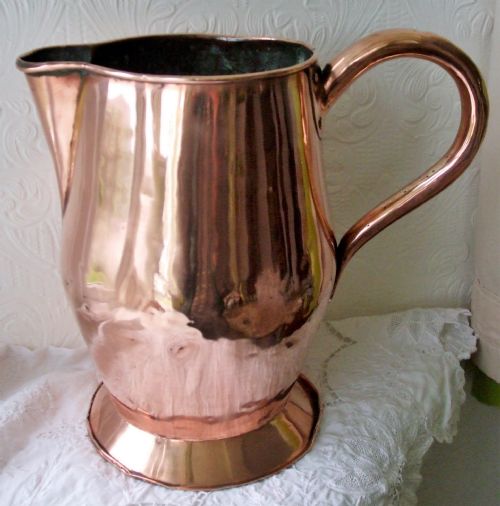
Buyers browsing this selection most frequently encounter domestic and commercial forms such as large two-gallon jugs, log buckets, and jardinières. Such pieces reflect the robust metalworking traditions of British workshops alongside American industrial output.
The aesthetic bridges several distinct periods, drawing on George III craftsmanship, Victorian utility, and Arts and Crafts design principles. Each polished copper vessel bears the physical marks of its original purpose while serving modern interior schemes.
How they were made
Makers constructed each polished copper vessel from sheet metal, frequently shaping the bodies through hand-beating or rolling. Brass handles, rims, and fixings were often riveted or soldered to the main copper body to ensure structural strength.
Internal surfaces sometimes received a protective lining of tin to prevent metallic tainting, particularly in items intended for liquids or food preparation. External finishes relied on mechanical polishing to achieve the bright metallic sheen characteristic of these wares.
Retail Price Guide 2026
Typical UK retail prices for polished copper vessel, calculated from the Sellingantiques database of over a million retail prices indexed since 2003. This retail price guide relies exclusively on Sellingantiques data; no external sources or auction records are used, so the figures do not describe the wider market.
Materials represented across the selection include copper, brass, tin, and rubber components found on industrial pieces.
What varies in quality
Quality in a polished copper vessel rests upon the weight of the metal gauge and the integrity of the construction. Heavier metal panels and neatly finished seams indicate superior workshop output intended for rigorous daily service.
Refined details such as dovetailed base joints, cast brass attachments, and maker stamps elevate certain pieces above standard utilitarian wares. The balance of the form and the crispness of the hammering distinguish master metalwork from simpler production items.
Hodges and Sons·Loftus of Oxford Street London
The Polished Copper Vessel Glossary
- Measure
- A standardised vessel used for checking and dispensing liquid volumes in trade. These items usually feature thick walls and sturdy pouring lips.
- Jardiniere
- An ornamental pot or stand designed to hold live plants or flowers. They often display decorative surface work or riveted handles.
- Gauge
- The thickness of the sheet metal used in construction. A heavier gauge denotes a more substantial and durable object.
- Tinning
- The process of coating the interior metal surface with a thin layer of tin. This technique prevented chemical reactions between the copper and liquids.
Frequently Asked Questions
How do I clean a polished copper vessel?
Maintain the bright surface using a dedicated copper cream applied with a soft cloth, rubbing gently to lift tarnishing without scratching the metal. Rinse thoroughly and buff dry to restore the original shine.
Avoid harsh abrasive pads or scouring powders that remove the microscopic surface layer and dull the historic appearance over time.
Are these vessels safe for food use?
Most antique containers lack intact interior linings or meet modern hygiene standards required for food preparation. It is best to treat them as decorative display items rather than kitchenware.
Items that retain their original internal tinning may hold dry goods or flowers, but checking the lining condition is essential before any contact with moisture.
How do I date an older metal piece?
Examine the construction methods, such as hand-cut dovetail joints, handmade rivets, and tool marks left by the maker. These physical traits often align with specific manufacturing periods.
Maker stamps, engraved retailer addresses, and stylistic cues from Georgian or Arts and Crafts movements also help narrow down the date of origin.
Where should I display my metalware?
Place your items in well-lit rooms where natural light catches the warm metallic tones, such as on wooden sideboards or open shelving. Kitchens and hallways also suit these robust forms well.
Keep pieces away from damp environments or direct heat sources to prevent accelerated tarnishing and protect the structural integrity of the metal.