
Antique Plant Holder
An antique plant holder brings interior greenery to life through brass, copper, and mahogany vessels rooted in Victorian and Edwardian craftsmanship.
Antique Plant Holder
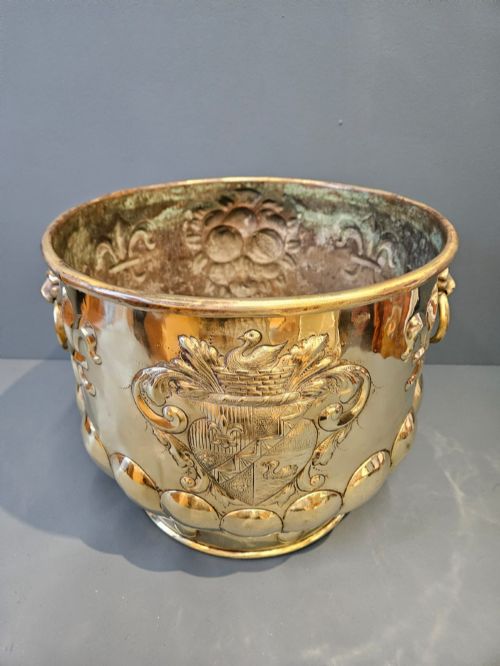
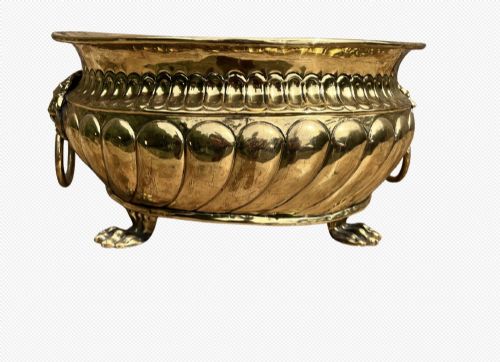
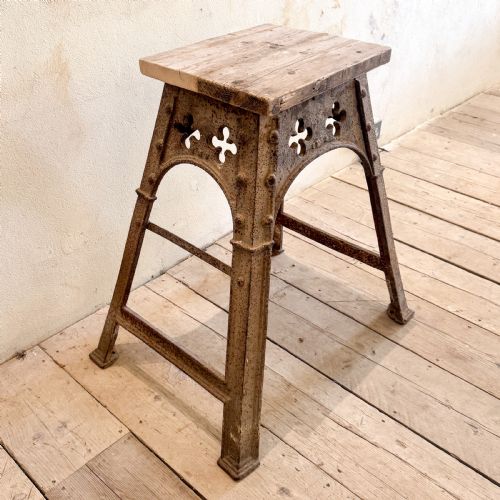
Buyers seeking an antique plant holder encounter various forms, including freestanding stands, tabletop jardinieres, and cachepots designed to display greenery indoors. These pieces originate primarily from the nineteenth and early twentieth centuries, spanning Victorian, Edwardian, and Arts and Crafts periods.
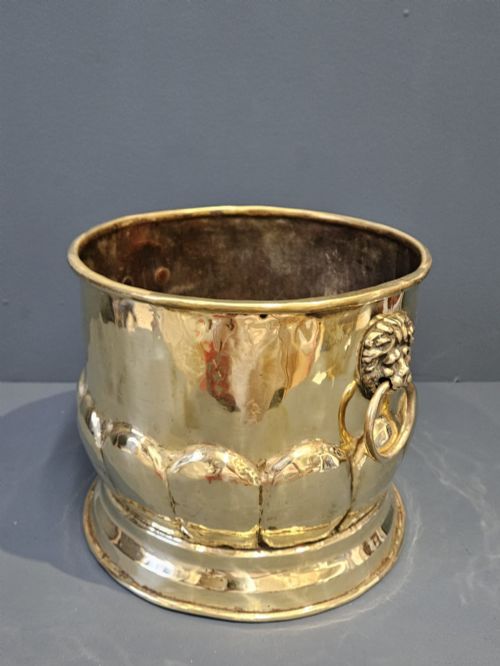
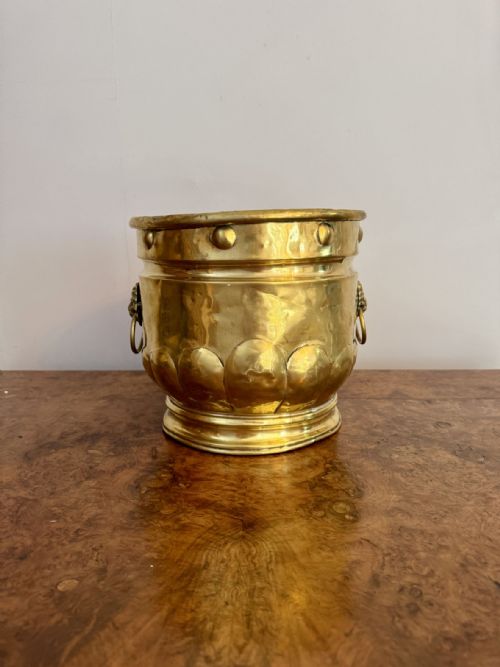
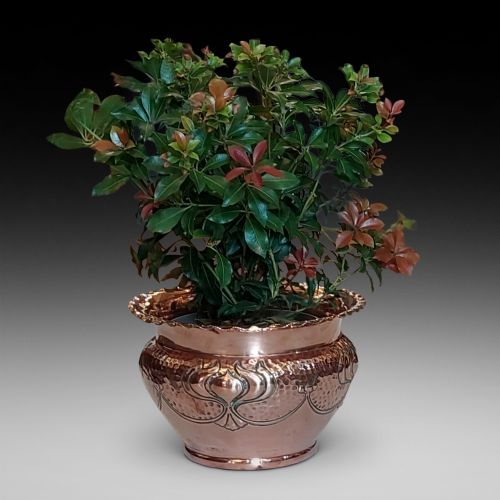
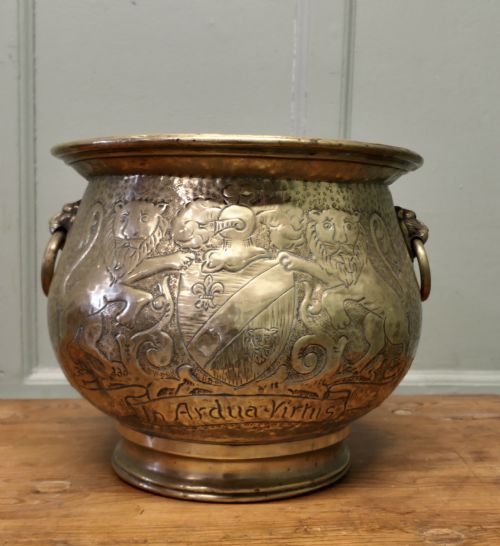
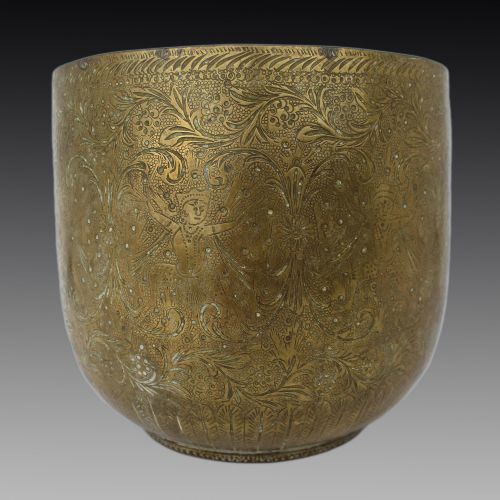
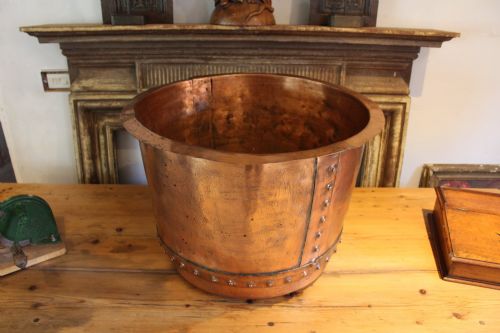
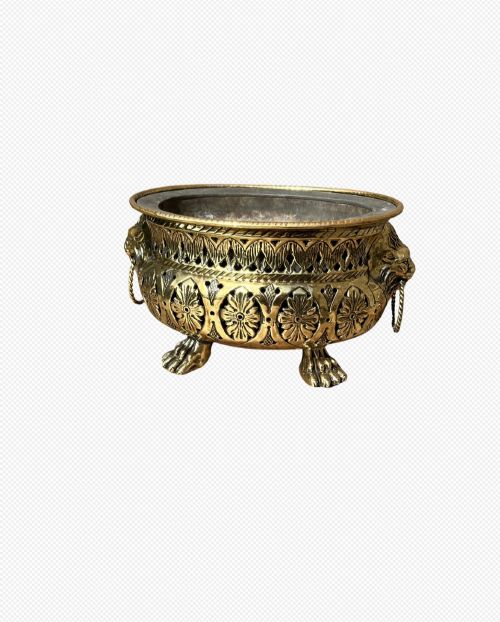
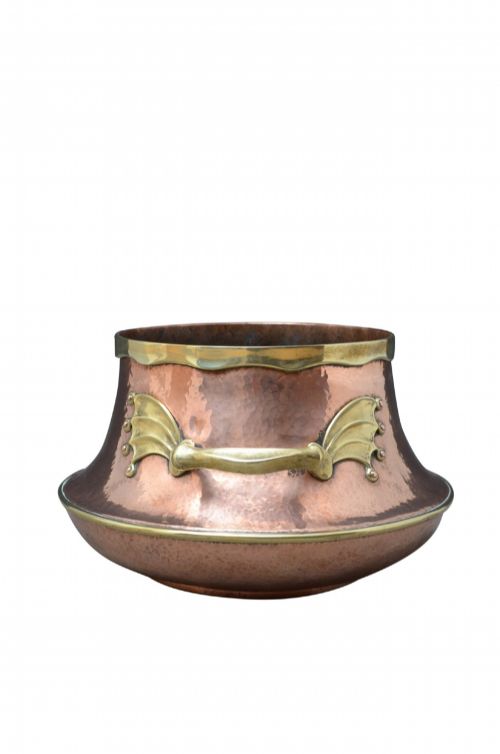
The most common versions met on this page are brass and copper vessels, often featuring embossed or hammered details, alongside mahogany and walnut plant stands. Examples range from simple wirework conservatory pieces to ornate Dutch and French designs with ormolu mounts.
Materials and construction methods
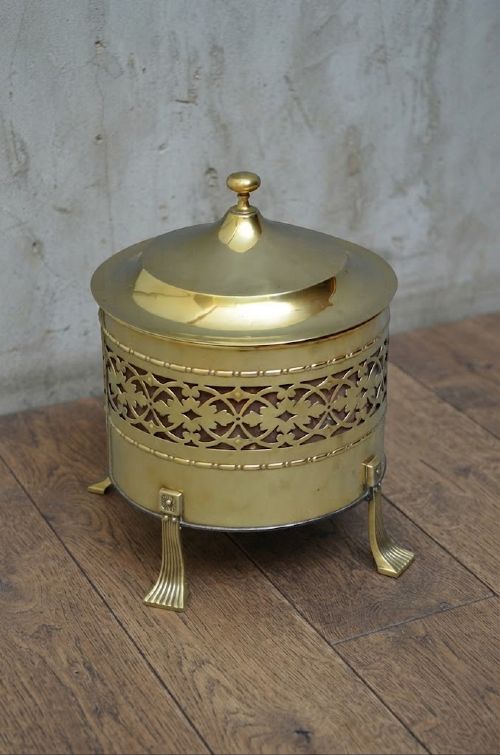
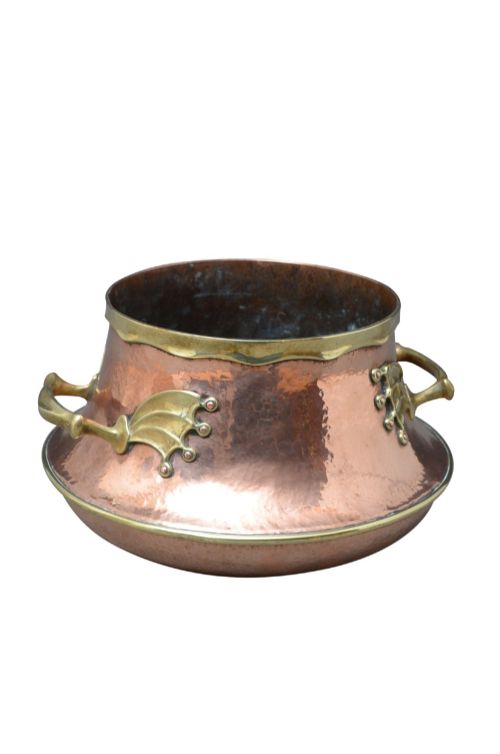
Metal vessels utilise sheet brass and copper, shaped through hammering, embossing, or piercing to create fretwork and decorative motifs. Iron appears in heavy garden plant holders and wirework stands.
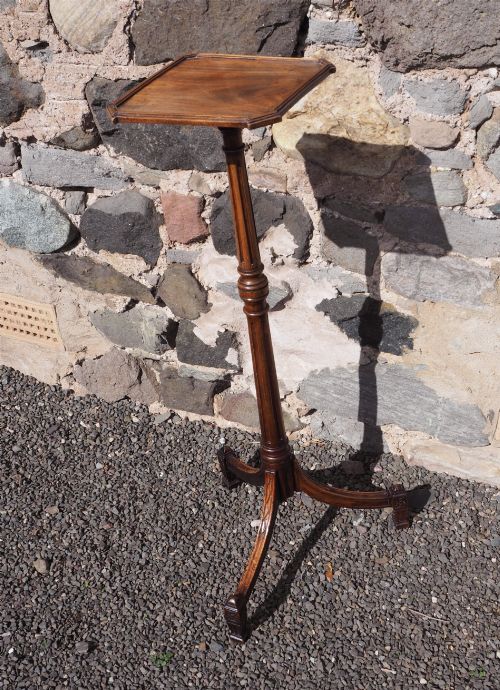
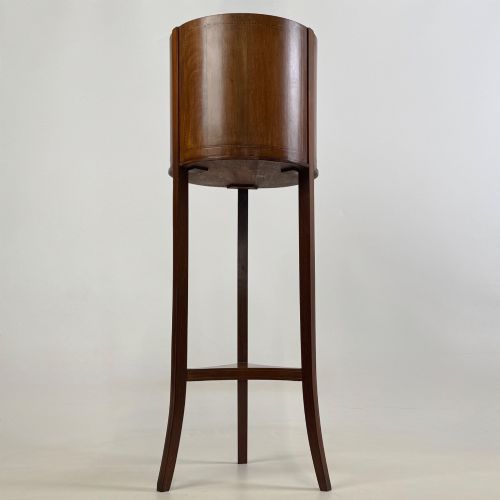
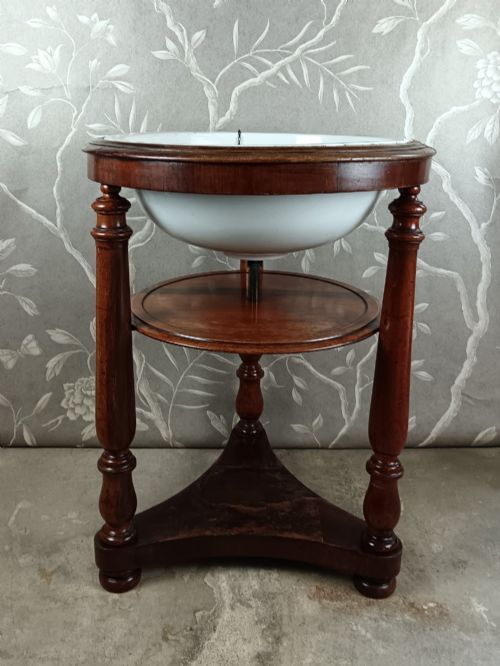
Wooden stands and planters employ mahogany, walnut, and olive wood, sometimes decorated with inlay, carving, or ormolu mounts. Ceramic examples incorporate majolica and jasper ware, often paired with metal liners or stands.
Common forms include floor-standing plant stands, tabletop jardinieres, cachepots, and coal buckets adapted for holding plants.
Distinguishing quality in metal and wood
Quality rests in the crispness of the hand-hammered or cast details on metal vessels and the selection of figured timber in wooden stands. Heavy gauge brass and copper with well-defined embossing outrank thin, pressed metal alternatives.
Original matching stands elevate a piece, particularly when the vessel and its support retain a unified style such as Art Nouveau or Gothic Revival. Superior examples display careful joinery in woods like mahogany and walnut rather than plain assembly.
William Adams & Sons·Royal Doulton
The Antique Plant Holder Glossary
- Jardiniere
- An ornamental pot or stand for holding plants or flowers. These vessels sit on tables or floor-standing bases.
- Cachepot
- A decorative flowerpot cover designed to hide a plain inner pot. It holds water collected from watering.
- Torchere
- A tall stand originally intended to support a torch or candle, later adapted to display plants. These pieces elevate foliage above floor level.
- Dinanderie
- Objects made of beaten or cast brass and copper. The term covers medieval and revival vessels.
- Ormolu
- Gilded bronze mounts applied to wooden furniture and planters. This decorative trim appears on French styles.
Antique Plant Holder: Frequently Asked Questions
What is the difference between a jardiniere and a cachepot?
A jardiniere typically holds soil and plants directly or functions as a large decorative vessel, often displayed on its own stand.
A cachepot is a smaller pot cover designed strictly to conceal a plain inner flowerpot and catch drainage water.
How do I care for antique brass plant holders?
Antique brass and copper benefit from gentle dusting and occasional cleaning with appropriate metal care products if polishing is desired. Many collectors prefer to leave an aged patina untouched.
Using a plastic or waterproof liner inside metal vessels prevents moisture damage and corrosion from damp soil.
Where were plant holders placed in period homes?
Victorian and Edwardian homes positioned plant holders in conservatories, drawing rooms, and hallways to bring natural greenery indoors. Tall stands occupied corners or windows where plants received adequate light.
Tabletop jardinieres sat on side tables, desks, or mantelpieces as decorative centrepieces filled with flowering plants.
How can I date an antique plant holder?
Dating relies on stylistic clues, such as flowing organic lines for Arts and Crafts and Art Nouveau pieces, or heavy geometric forms for Gothic Revival. Materials like mahogany and walnut point toward specific centuries.
Maker marks, registration numbers, or construction techniques provide further confirmation of the manufacturing period.