



Antique Japanese Cachepot
An antique Japanese cachepot brings refined horticulture indoors, offering a structured vessel for indoor plants that showcases traditional metalwork or porcelain artistry.
Antique Japanese Cachepot
When searching for an antique Japanese cachepot, buyers encounter decorative plant vessels designed to hold potted plants indoors. The selection spans earthenware and metal forms intended to elevate botanical displays in domestic interiors.
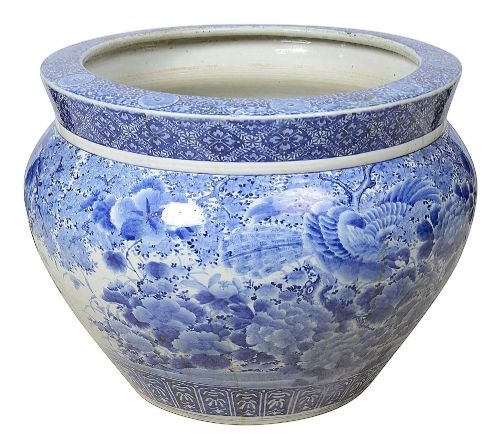
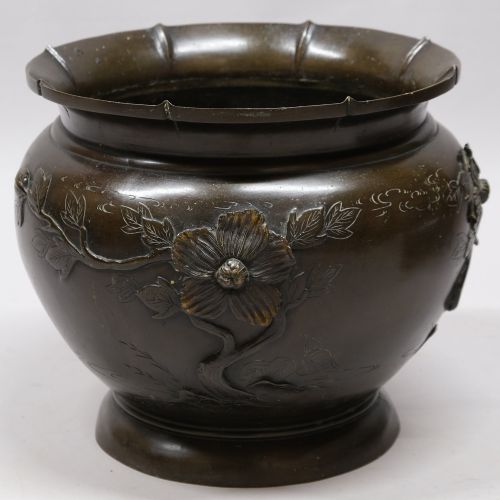
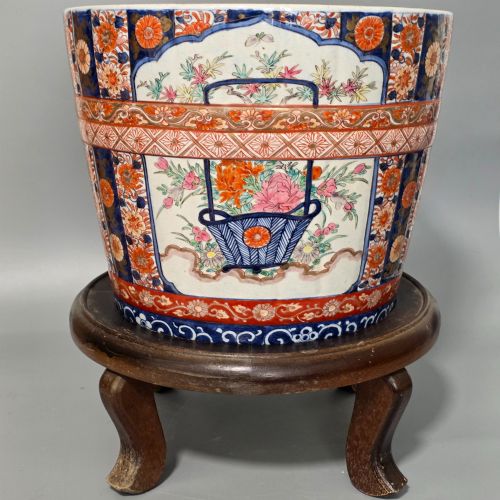
The pieces on this page appear predominantly from the Meiji and Edo periods, alongside later nineteenth and early twentieth-century examples. Common formats include large Imari porcelain bowls and heavy bronze planters, often accompanied by dedicated hardwood stands.
Jardinieres and planters form the core of the available types, fulfilling the functional role of a cachepot by concealing standard flowerpots. These vessels reflect historical Japanese export markets and domestic decorative arts.
Materials and construction methods
Bronze forms are cast with substantial weight, displaying patinated surfaces and relief decoration shaped during the Meiji and Edo periods. These metal vessels rely on skilled foundry work and hand-finishing to achieve their dense, durable walls.
Ceramic examples utilise cobalt underglaze on porcelain or stoneware, employing traditional firing techniques seen in Arita Imari and Satsuma wares. Enamel accents and glaze applications provide the colourful surface detail characteristic of these decorative planters.
Some bronze planters weigh over two kilos, ensuring your ferns stay grounded.
Factors of quality and execution
Quality rests in the crispness of the casting on bronze pieces and the precision of the cobalt underglaze on porcelain. Finer examples display deliberate proportions and stable, heavy walls rather than thin, rushed execution.
The presence of associated or original hardwood stands alters the completeness of a piece. Superior examples maintain intact surface patination and clear decorative motifs without distracting wear.
Makuzu Kozan II
The Antique Japanese Cachepot Glossary
- Cachepot
- A decorative flowerpot cover designed to hold a potted plant and catch drainage water. It lacks drainage holes at the base.
- Jardiniere
- A large ornamental pot or bowl used for holding flowers or plants. They serve the same functional purpose as a cachepot.
- Imari
- A style of Japanese porcelain decorated in underglaze blue and overglaze red, gold, and green. It originated in the town of Arita during the Edo period.
- Meiji Period
- The era of Japanese history lasting from 1868 to 1912, marked by the opening of trade with the West. Many export bronzes and ceramics date from this time.
- Edo Period
- The period between 1603 and 1868 in Japan, governed by the Tokugawa shogunate. Pieces from this era reflect earlier traditional domestic aesthetics.
Antique Japanese Cachepot: Frequently Asked Questions
What is an antique Japanese cachepot used for?
These vessels serve as decorative covers for potted plants, hiding standard clay flowerpots from view while protecting interior surfaces.
Historically placed in reception rooms and parlours, they allow large houseplants or floral displays to sit safely on furniture or associated stands.
How do I tell Edo period from Meiji period pieces?
Edo period works often display restrained domestic aesthetics, while Meiji period items frequently reflect the detailed export standards developed for Western markets.
Stylistic markers and material finishes provide context, though many surviving pieces bridge the transition between these two eras.
Can I plant directly into an antique jardiniere?
Direct planting is generally discouraged because these antique vessels lack proper drainage holes at the base. Moisture retention can damage historic ceramic bodies or accelerate interior metal corrosion.
Instead, use the vessel as a cachepot by placing a separate, smaller plastic or clay pot containing the plant inside.
Why do some jardiniere listings include hardwood stands?
Hardwood stands elevate the heavy bronze or ceramic bowls, protecting delicate floor surfaces and improving the visual balance of the display. Many nineteenth-century export pieces were produced or paired with custom stands to suit Western interior tastes.
These associated bases are carved to match the footprint of the heavy vessel they support.