



Japanese Ceramic Planter
When you want a Japanese ceramic planter, you are choosing a vessel that brings centuries of skilled glazing and form into your interior.
Japanese Ceramic Planter
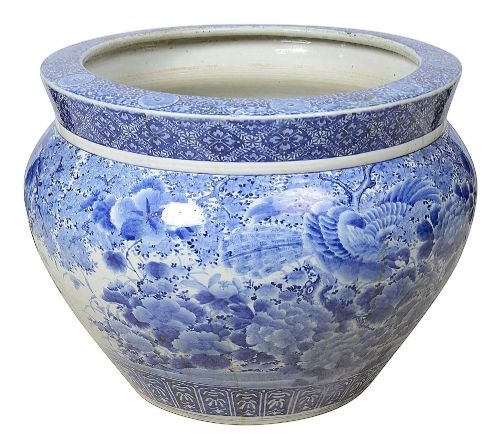
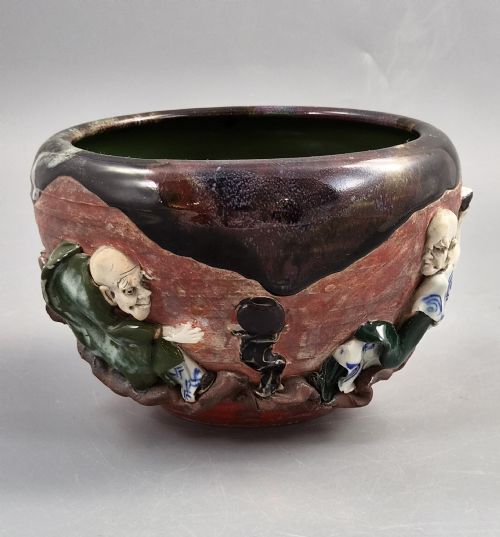
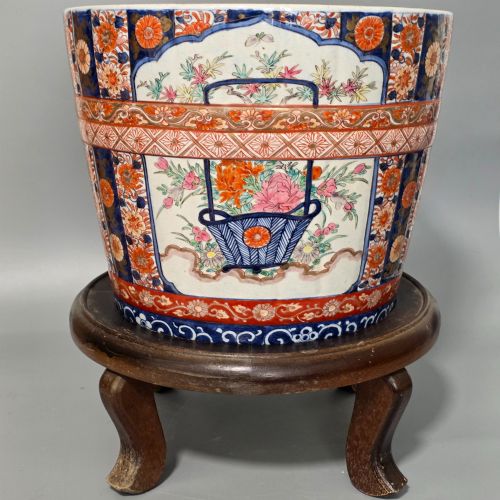
A japanese ceramic planter encompasses substantial jardinieres, decorative bowls, and vases designed to house plants or stand alone as decorative objects. The forms range from large Imari vessels with rich cobalt blue and enamel palettes to textured Sumida Gawa pottery featuring figures in relief.
Buyers will frequently encounter pieces originating from the 18th century, the Meiji period, and the early 20th century. These include blue and white porcelain planters, earthenware pieces, and stoneware creations, sometimes accompanied by associated hardwood stands.
Makers such as Inoue Ryōsai, Kōko, and Makuzu Kozan II appear among the specific signatures on these works. The styles span Edo period traditions, Meiji period artistry, and later Japonisme influences.
Materials and techniques
The makers utilised ceramic, porcelain, earthenware, and stoneware bodies shaped into large jardinieres and bowls. These foundational clays were then finished with cobalt underglaze, enamel work, and various glazes.
Techniques range from hand-modelled figures in relief found on Sumida Gawa pieces to precise blue and white painting under the glaze. Surface decoration often combines intricate Imari patterning with sculptural elements applied directly to the body.
Listings feature pieces spanning the 18th century, the Meiji period, and the early 20th century in porcelain, stoneware, and earthenware.
Distinctions in craftsmanship
Quality rests in the execution of the painted and glazed decoration, from crisp cobalt underglaze details to the finesse of figures modelled in relief. The depth and clarity of the enamel palette separate standard vessels from more accomplished works.
The handling of the ceramic body itself, whether heavy stoneware or refined porcelain, dictates the integrity of the form. Signed pieces by notable makers demonstrate a higher degree of individual artistry in both the modelling and the surface finish.
Inoue Ryōsai·Kōko·Makuzu Kozan II
The Japanese Ceramic Planter Glossary
- Jardiniere
- A large ornamental pot or planter designed to hold plants or flowers. These vessels often sit on the floor or upon dedicated stands.
- Imari
- A style of Japanese export porcelain characterised by a palette of cobalt blue, iron red, and gold. This style dates back to the Edo period and continued through the 19th century.
- Sumida Gawa
- A type of Japanese pottery originating from the banks of the Sumida River, known for its heavily textured glazes and applied figures in high relief.
- Cobalt Underglaze
- A blue pigment applied directly to the ceramic body before glazing and firing. This technique creates durable designs that resist fading over time.
- Satsuma
- A type of earthenware from Japan featuring a crackle-glaze finish and intricate polychrome decoration. It became particularly popular for export during the 19th century.
Japanese Ceramic Planter: Frequently Asked Questions
How do I use a jardiniere?
These large vessels function primarily as decorative containers for potted plants within a room. They can also be displayed empty on stands as sculptural focal points.
When housing a plant, place a smaller waterproof pot inside rather than planting directly into the vessel to protect the historic ceramic body from moisture damage.
Where should I place a planter?
Position your vessel where its glaze and form can be appreciated at eye level, such as on a low table, a dedicated stand, or directly on the floor if the piece is large. Ensure the location avoids heavy foot traffic that might risk accidental impacts.
Pairing pieces with associated hardwood stands helps elevate the profile of the ceramic and provides stable support on flat surfaces.
How do I date a piece?
Dating relies on stylistic markers, materials, and signatures associated with specific eras like the Meiji period or the 18th century. Blue and white porcelain and Imari patterns follow long traditions that evolved across different centuries.
Examining the base, the character of the glaze, and any artist signatures provides concrete clues to the period of manufacture.
Are these pieces waterproof?
Many historic ceramic planters were not glazed on the interior for modern horticultural use. Seepage can occur through older earthenware and stoneware bodies over time.
Using a modern liner inside the vessel preserves the interior surface and prevents water from interacting with the antique ceramic.