


Brass Centrepiece Bowl
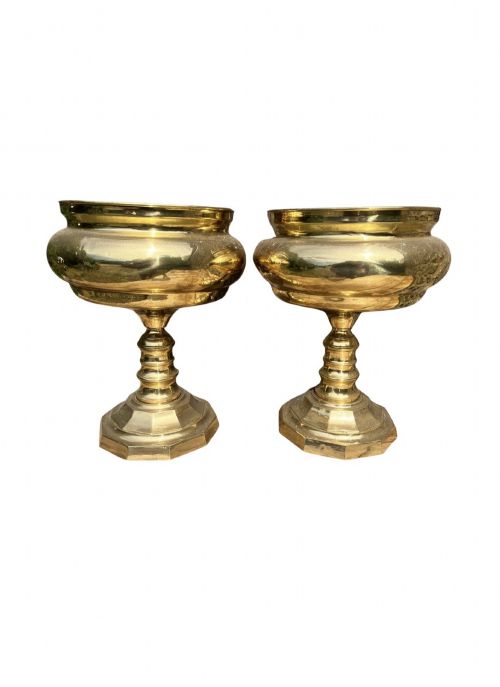
A brass centrepiece bowl brings weight and a metallic sheen to a table, anchoring a room with period character.
Brass Centrepiece Bowl
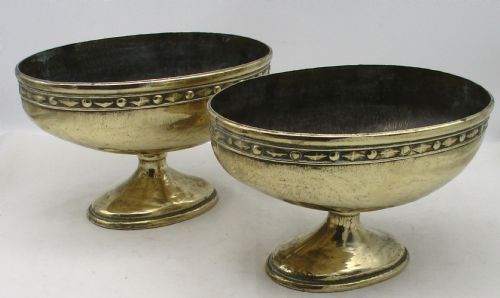
A brass centrepiece bowl is a prominent tabletop vessel designed to command attention in the middle of a room or dining table. When you search for this phrase, you encounter heavy metal containers, often elevated on pedestals or feet, originating from various international workshops during the nineteenth century and the early decades of the twentieth century. These objects function as decorative focal points, occasionally holding fruit, flowers, or simply standing alone as sculptural elements.
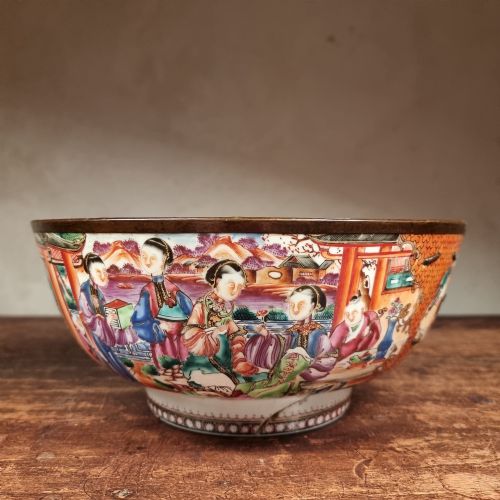
The pieces meeting you on this page span several distinct traditions, including French Empire ormolu mounts, Japanese cloisonne enamel, Chinese bronze and brass work, and domestic Victorian metalware. Forms range from shallow tazzas and pedestal bowls to lidded urns and monteiths designed for cooling glassware. Their varied geographical origins demonstrate how nineteenth-century craftsmen adapted traditional metalworking techniques to suit European and Asian interior tastes.
Victorian and continental examples frequently incorporate mixed metals, cast brass elements, or applied decoration such as lion mask handles and inset stones. Alongside these stand heavy cast bronze vessels and delicate cloisonne enamel bowls featuring bird and floral motifs. Each version reflects the specific decorative vocabulary of its period, whether that involves the restrained symmetry of neoclassical design or the intricate surface patterning of Meiji craftsmanship.
How they were made
Makers fashioned these vessels primarily through casting, spinning, or hammering base metals such as brass, copper, and bronze. Molten metal poured into sand or lost-wax moulds created sturdy structural bodies, which workers then chased, engraved, or polished by hand. Ormolu and gilt finishes required the application of gold leaf or mercury gilding to bronze surfaces, producing a lasting rich lustre.
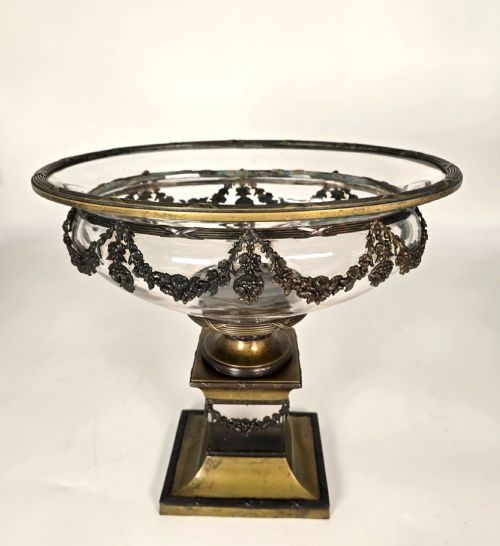
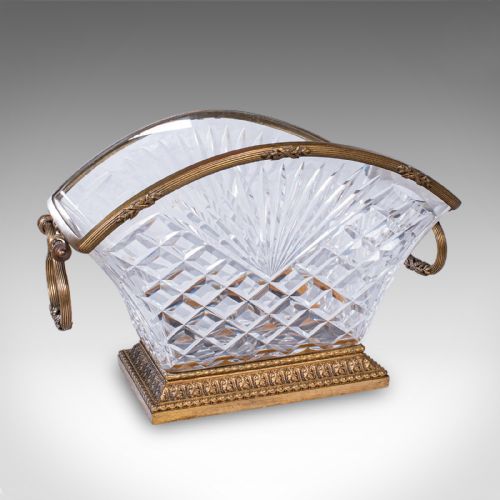
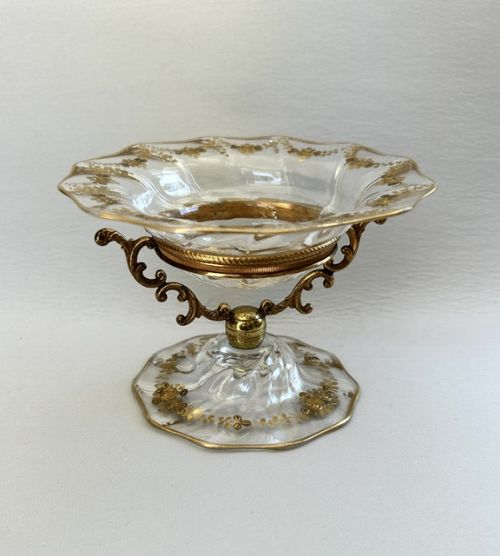
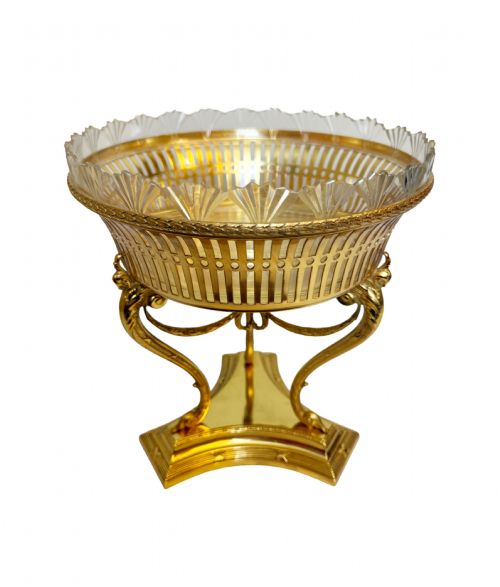
Many sophisticated examples combine metal frames with fragile inserts of cut glass, Bohemian glass, or Samson porcelain. Cloisonne pieces required delicate wire soldered to a metal base to form compartments, which artisans then filled with coloured enamel pastes before firing and polishing. These multi-material constructions demanded close collaboration between metalworkers, glassblowers, and enamel specialists.
Materials range from heavy cast bronze and cloisonne enamel to cut glass combined with French ormolu mounts.
What varies in quality
Quality rests primarily on the crispness of the casting and the depth of the hand-chasing work on the metal surface. Superior vessels display sharp relief in decorative motifs like foliage or animal masks, whereas lesser pieces show softened details resulting from worn moulds. The weight of the bronze or brass body also signals quality, as heavier vessels indicate a generous use of material rather than thin sheet construction.
In composite pieces, the integration between the metal mount and its glass or porcelain insert determines the level of craftsmanship. High-grade examples feature mounts custom-fitted to the exact contours of the glass, while standard production pieces rely on generic hardware. The evenness of gilding and the precision of cloisonne wirework further separate ordinary domestic wares from exceptional studio pieces.
The Brass Centrepiece Bowl Glossary
- Ormolu
- Gilded bronze, usually produced by applying gold to a bronze base through fire-gilding or electroplating. This technique gave nineteenth-century French desk accessories and centrepieces their bright golden appearance.
- Tazza
- A shallow saucer-like vessel mounted on a stem and foot, originating from classical forms. These pieces often served fruit or functioned purely as decorative pedestals.
- Cloisonne
- An enamelwork technique where thin metal wires are soldered to a metal body to create cells that hold coloured glass paste. Japanese craftsmen mastered this method to produce detailed pictorial bowls during the nineteenth century.
- Monteith
- A type of vessel featuring a scalloped or notched rim designed to hold wine glasses by their bases while chilling in water. Eighteenth and nineteenth-century examples often utilised heavy brass or plated metal.
- Jardiniere
- An ornamental pot or stand intended to hold plants or floral arrangements indoors. They frequently appeared in heavy brass or gothic Revival metalwork during the Victorian era.
Brass Centrepiece Bowl: Frequently Asked Questions
What is a brass centrepiece bowl used for?
These vessels were historically placed in the middle of dining tables or sideboards to hold fruit, flowers, or floating blooms during formal meals. They acted as decorative anchors for the room, displaying the host's taste and the metalworker's skill.
In modern interiors, they function well as standalone sculptural objects or catch-alls on entrance hall tables. Their substantial weight and metallic finish allow them to contrast effectively against wooden furniture or stone surfaces.
How do I tell a Victorian brass bowl from an earlier piece?
Victorian metalware often displays heavier, more exuberant ornamentation such as gothic revival motifs, mixed metal inlay, or heavily cast handles. Makers of this period frequently utilised industrial pressing alongside traditional hand-chasing, resulting in standardised yet robust construction.
Earlier eighteenth or early nineteenth-century pieces tend to show cleaner neoclassical lines, simpler cast feet, and hand-beaten surfaces without the heavy mechanical uniformity seen later. Examining the tooling marks on the underside often reveals the transition from hand-hammered production to nineteenth-century foundry casting.
Are glass inserts original to these bowls?
Many nineteenth-century gilt bronze and ormolu frames were specifically manufactured to hold fitted cut glass or Bohemian glass liners. The glass was blown and ground to match the exact contours of the metal mount.
Replacements do occur over time due to breakage, so a buyer should examine the rim of the glass for proper seating against the metal claws or bezel. An original insert sits flush and shows matching signs of age, such as light surface wear on the base.
How do I care for antique brass and bronze?
Antique metalware benefits from gentle dusting with a soft, dry cloth to prevent the accumulation of grit in chased recesses. Harsh commercial metal polishes should be avoided because they strip away the desirable dark oxidation and historical patina that accumulate over decades.
If cleaning is necessary, a light application of microcrystalline wax can protect the surface from moisture and fingerprints without altering the metal colour. Keeping pieces away from direct heat sources prevents any mounted glass or enamel inserts from expanding and cracking.