

Brass Fireplace Log Bucket
A brass fireplace log bucket brings heavy metal and warmth to the hearth, holding fuel ready beside the fire.
Brass Fireplace Log Bucket
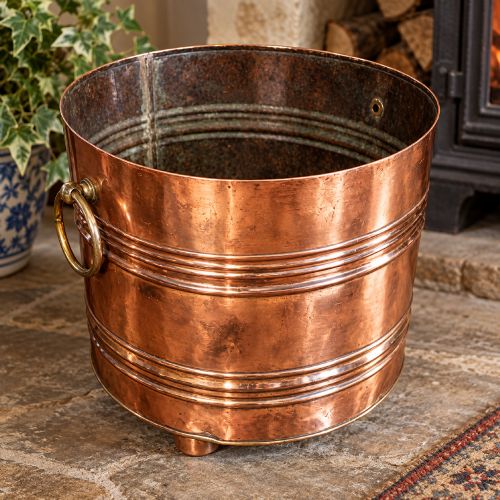
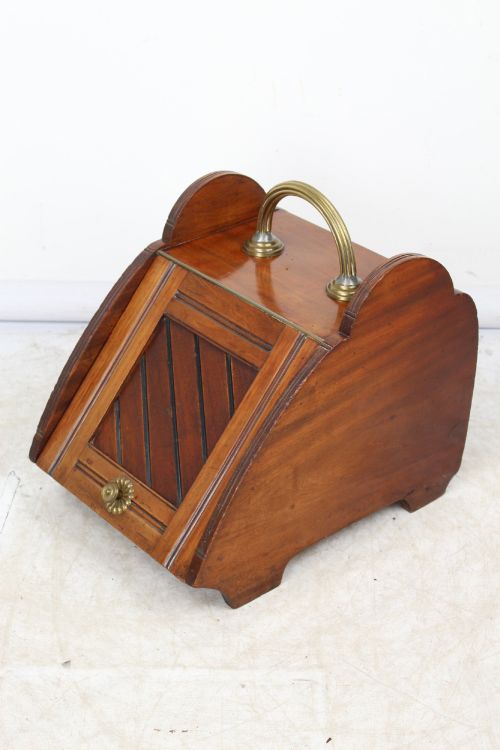
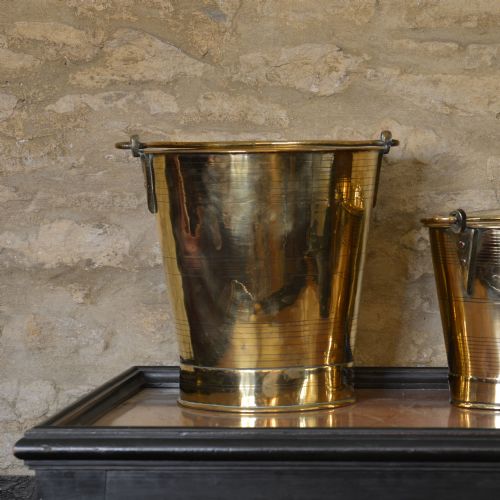
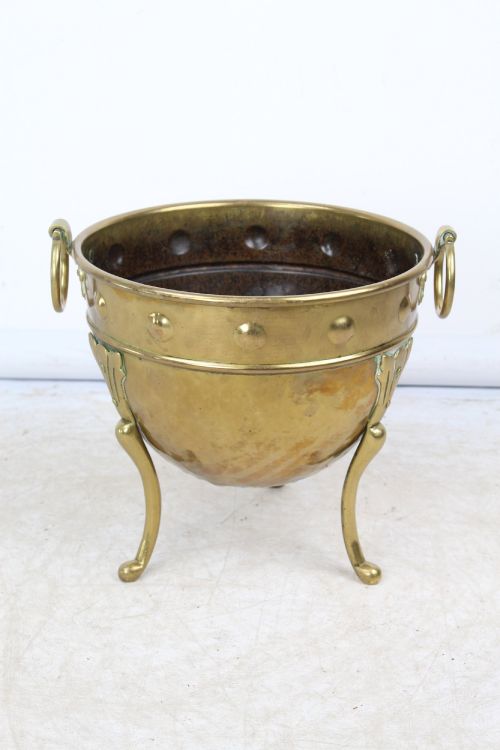
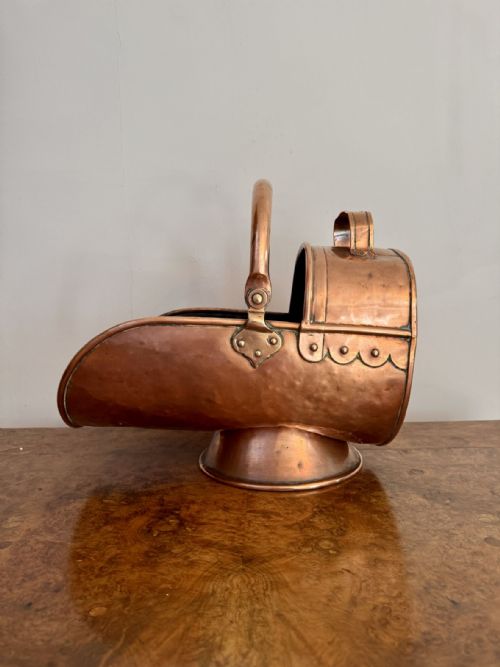
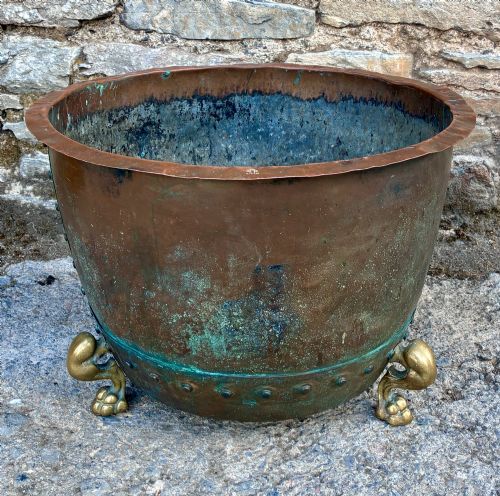
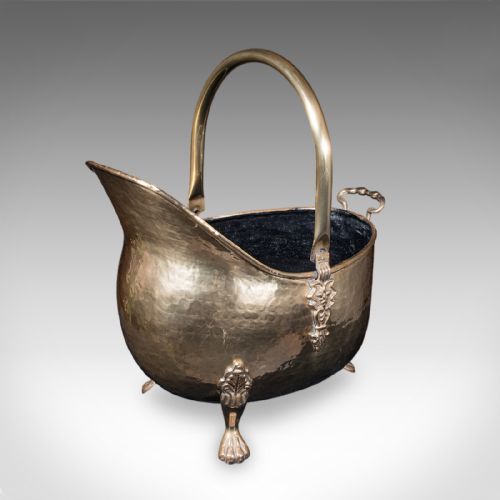
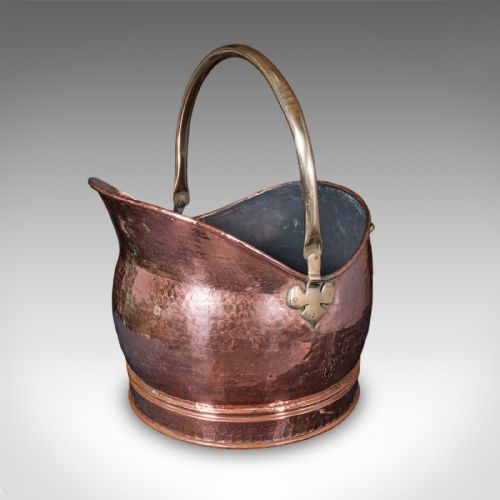
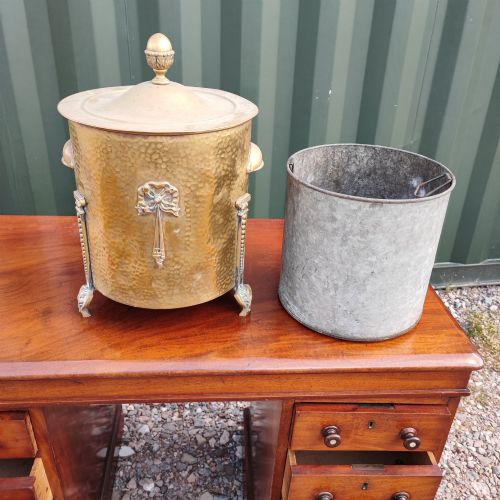
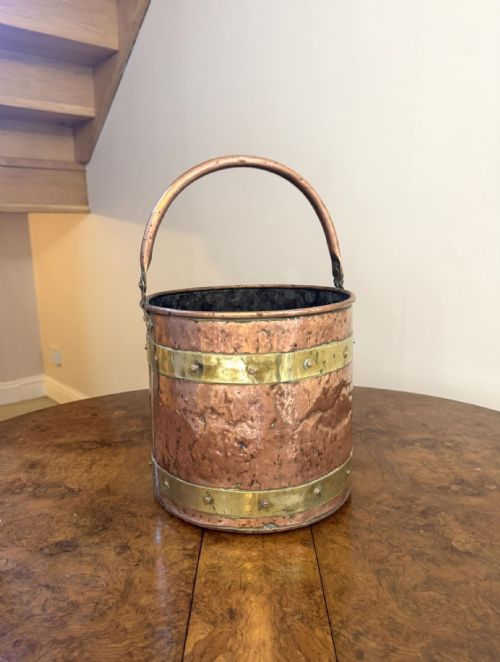
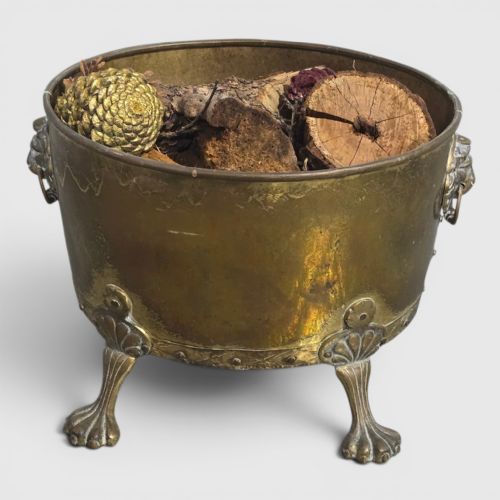
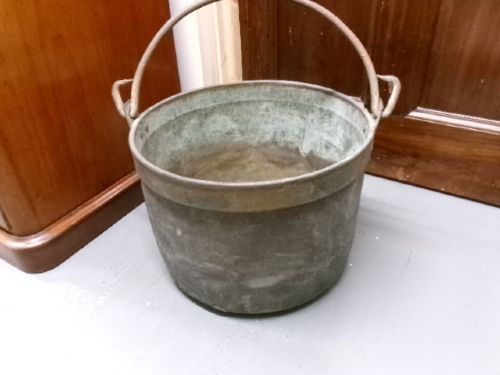
A brass fireplace log bucket is a sturdy vessel designed to hold fuel near the hearth, appearing most often on this page in Victorian and Edwardian iterations. These pieces function as both practical fireside containers and decorative metal objects, taking forms such as cylindrical bins, helmet scuttles, and swing-handled cauldrons. Makers also constructed similar vessels from copper, oak, and mahogany, sometimes mounting them with brass bands or swing handles.
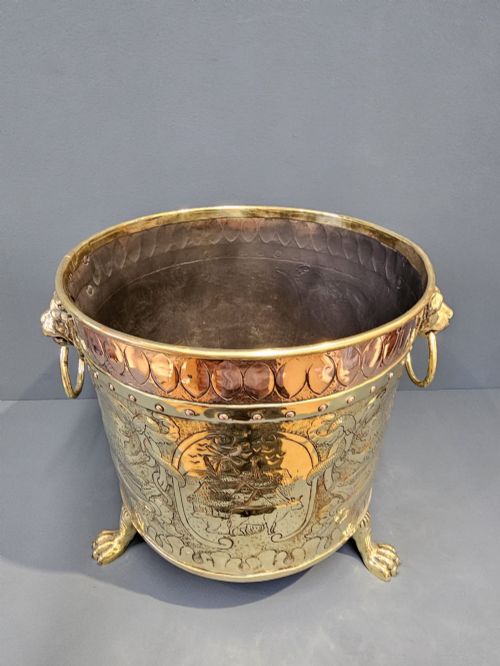
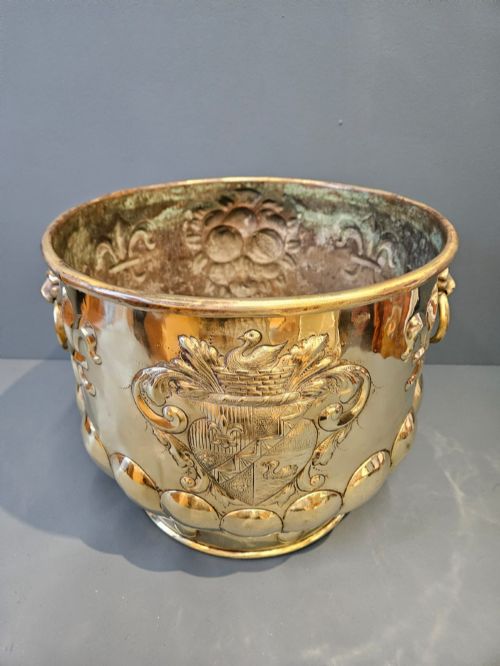
The selection here encompasses items labelled as coal scuttles, log bins, and planters, reflecting how these metal vessels often crossed between utility and display over the centuries. Pieces range from plain utilitarian receptacles to highly decorative examples bearing embossed motifs, crests, or tavern scenes associated with the Arts and Crafts movement. Buyers will find variations from simple 19th-century English designs to more ornate Anglo-Indian campaign buckets and Dutch jardiniere styles.
Materials and construction
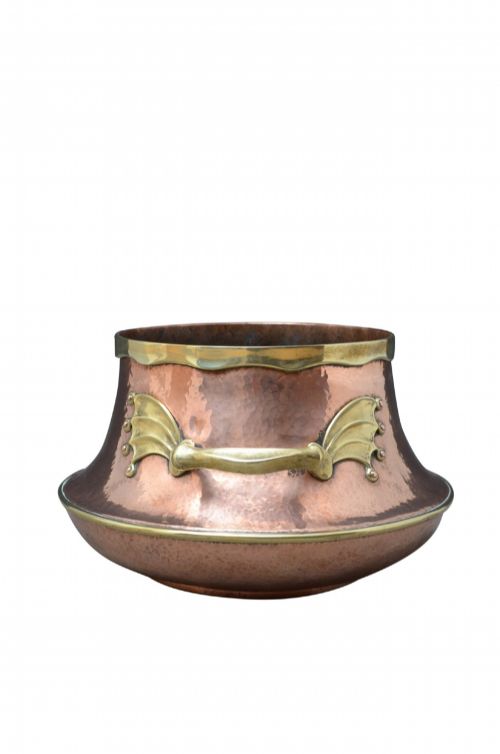
Metalworking techniques define these pieces, relying heavily on sheet brass and copper joined by visible rivets or smooth seams. Artisans hammered, embossed, and polished the metal plates, frequently pairing brass bodies with contrasting copper bands, swing handles, or cast feet.
Timber-bodied alternatives utilise coopered construction, binding strips of oak, walnut, or mahogany with metal hoops to form watertight or durable stave-built buckets. Many of these wooden and metal vessels originally incorporated metal liners to contain moisture and ash during daily use.
Materials recorded across the inventory include brass, copper, oak, mahogany, walnut, and iron.
Assessing quality and craftsmanship
Quality rests in the weight of the metal and the integrity of the construction, distinguishing heavy gauge brass and tight riveting from thin, pliable sheet work. Superior pieces display crisp hand-finishing, well-secured handles that bear the load without strain, and harmonious proportions between body and rim.
The presence of original fittings, such as matching shovels, liners, and distinct heraldic crests or chased decoration, elevates an example above plain utility. Conversely, excessive modern intervention or structural replacement diminishes the integrity of an antique piece.
Henry Loveridge·Petrus Ramus
The Brass Fireplace Log Bucket Glossary
- Coal scuttle
- A bucket or box designed for carrying and storing coal, often featuring a funnel shape or a hinged lid for easy pouring.
- Coopered
- A method of construction where narrow staves of wood are joined vertically and bound with metal hoops, much like a barrel.
- Jardiniere
- An ornamental pot or stand for holding plants or flowers, frequently utilised in period interiors for large hearth displays.
- Helmet scuttle
- A coal bucket featuring a flared, asymmetrical rim reminiscent of a classical helmet, designed to direct fuel cleanly into the grate.
- Arts and Crafts
- A design movement valuing handcraftsmanship and traditional techniques over mass production, often featuring hammered surfaces and vernacular motifs.
Brass Fireplace Log Bucket: Frequently Asked Questions
What is a brass fireplace log bucket used for?
These vessels serve to store and transport firewood or coal directly beside the domestic hearth.
Beyond simple fuel storage, many historical examples double as decorative planters or jardinieres when not in active winter use.
How do I clean a brass log bucket?
Maintenance generally involves gentle dusting with a soft cloth to preserve the natural patina accumulated over decades.
Harsh metal polishes should be avoided unless the piece has been previously stripped, as aggressive cleaning removes historical surface character.
Are these buckets waterproof?
Original metal buckets and those fitted with internal liners can hold damp wood or potted plants without leaking.
Unlined wooden coopered vessels may require an internal container if utilised for wet foliage rather than dry logs.
How can I tell a Victorian bucket apart from an Edwardian one?
Victorian pieces often favour heavier embossed brass, riveted copper construction, and distinct Gothic or classical revival motifs.
Edwardian examples tend towards lighter forms, simpler geometric lines, and sometimes simpler turned wooden handles.