

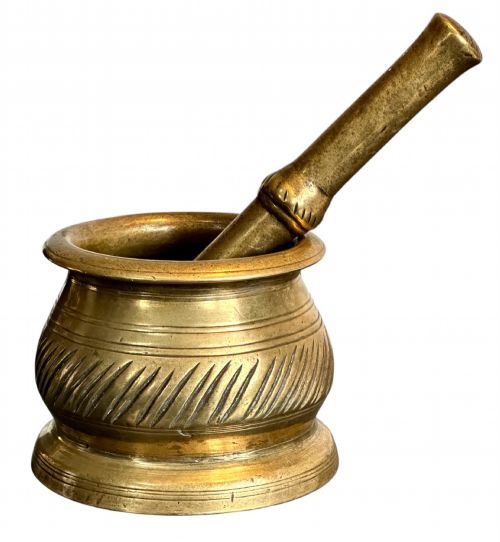


Brass Decorative Bowls
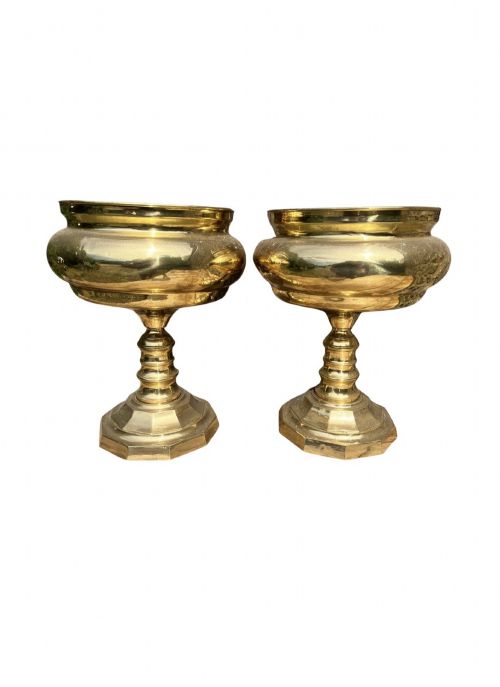
These brass decorative bowls bring heavy cast metal, etched surfaces and global styles from the nineteenth and early twentieth centuries directly into domestic spaces.
Brass Decorative Bowls
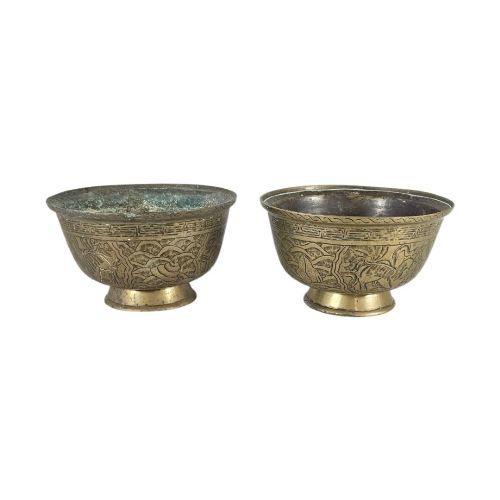
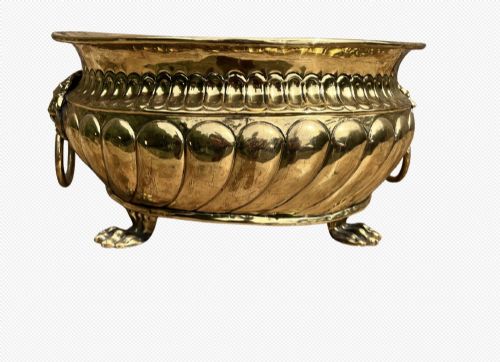
Brass decorative bowls span jardiniere planters, pedestal centrepieces and shallow dishes originating from European, Middle Eastern and East Asian workshops. The nineteenth-century examples dominate, alongside earlier cast vessels and early twentieth-century decorative pieces.
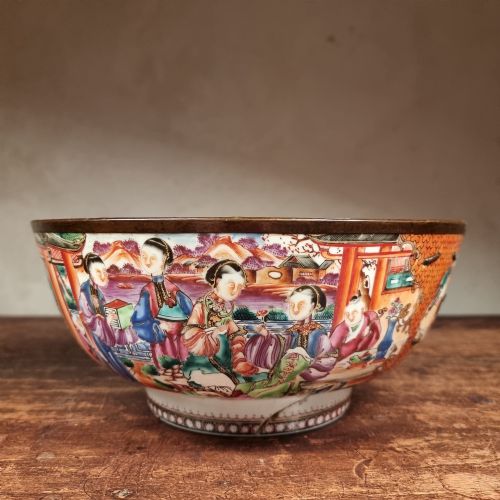
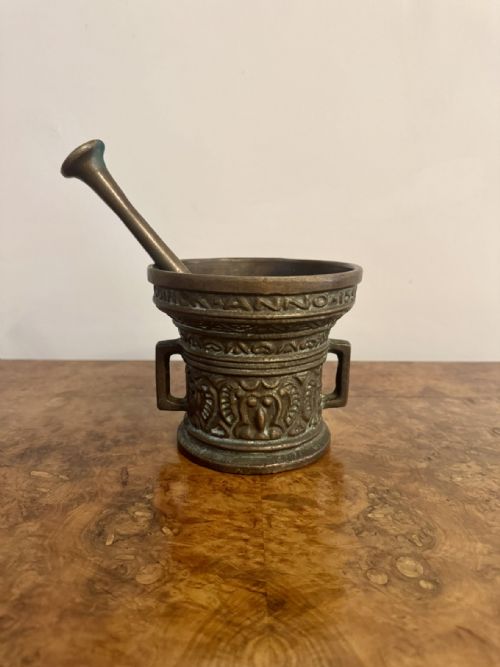
Buyers encounter Victorian planters, French gilt bronze mounts, Chinese bronze bowls and Japanese cloisonne enamel vessels. Forms range from heavy mortar bases and footed tazzas to large cachepots and coupe dishes.
How they were made
Maker workshops utilised brass, bronze, copper and ormolu, shaping heavy metal through casting, hammering and turning. Surface decoration often involved silver inlay, enamel work or mixed metal applications.
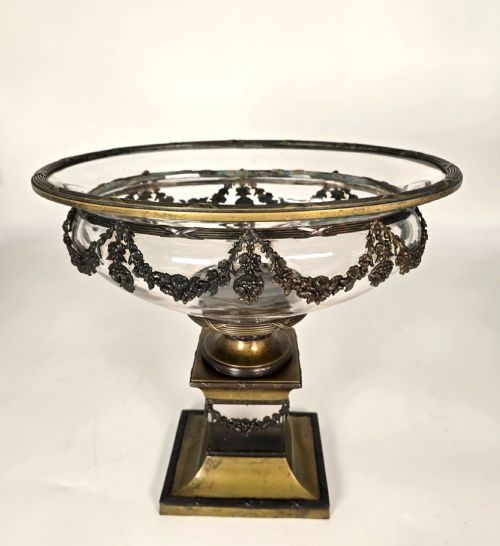
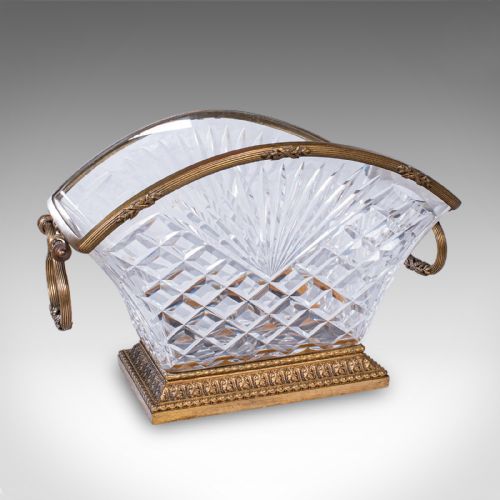
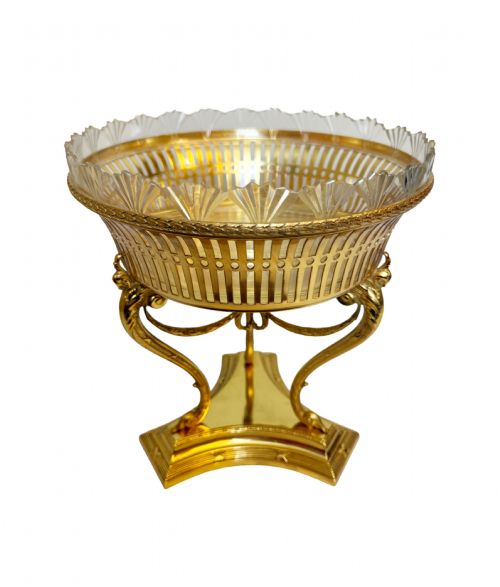
Many items combine cast metal frames with cut glass inserts, porcelain bowls, agate cabochons or pietra dura stone mounting. The assembly relies on threaded fixings, rivets and bronze mounts securing fragile glass or stone.
Listings feature items spanning the 17th century to the 1920s, incorporating brass, copper, cloisonne enamel, cut glass, and pietra dura.
What varies in quality
Quality rests in the crispness of the casting and the depth of hand-chased detail across the metal surface. Heavy gauge brass and thick bronze indicate substantial weight and durable construction compared to thin stamped sheets.
The integration of mixed materials reveals the maker's hand, from tightly fitted stone inserts to precise enamel cells and secure gilding. Clean patination and intact structural joinery separate superior decorative pieces from utilitarian vessels.
The Brass Decorative Bowls Glossary
- Jardiniere
- A large ornamental pot or bowl designed to hold growing plants or flowers. These items appear in heavy brass, copper and ceramic varieties.
- Tazza
- A shallow bowl or cup mounted on a stem and foot, often utilised for display or serving. Examples frequently incorporate bronze, glass or agate.
- Cloisonne
- An enamelling technique where metal wire forms raised barriers on a surface to contain coloured glass pastes before firing. Japanese bowls frequently employ this method.
- Ormolu
- Gilded bronze used for decorative mounts and furniture trim during the eighteenth and nineteenth centuries. This material provides a bright golden finish on decorative vessels.
- Cairoware
- Metalwork featuring intricate silver and copper inlay originating from Egypt and the Middle East during the nineteenth century. These items display dense geometric patterns.
- Comport
- A shallow dish raised on a foot, intended for serving fruit or sweets on a dining table. They appear in mixed materials including alabaster and brass.
Brass Decorative Bowls: Frequently Asked Questions
How are heavy bronze bowls cleaned?
Dusting with a dry, soft cloth preserves the existing patination and protects aged metal surfaces from unnecessary abrasion. Liquid polishes strip historical oxidation and remove the dark tones built up over centuries.
Water and harsh chemicals damage inlaid sections, enamel panels and stone inserts found on mixed-material pieces. A specialist wax applied sparingly maintains the finish without altering the metal.
Can antique jardiniere bowls hold water?
Many nineteenth-century jardinieres and planters contained metal liners designed to catch drainage from potted plants. Without an intact inner vessel, historic soldered joints and riveted bases allow moisture to leak through.
Inserting a modern plastic or glass dish inside protects the antique base from mineral deposits and active corrosion. Checking the interior for hairline cracks prevents water damage to wooden surfaces.
What distinguishes French ormolu from brass?
Ormolu consists of cast bronze treated with a layer of finely ground gold mercury amalgam, producing a deep, warm golden lustre. Brass is an alloy of copper and zinc with a brighter, yellower metallic tone that dulls naturally over time.
French Empire and Victorian pieces utilise ormolu for decorative mounts on glass and stone bowls to create high-contrast highlights. Under close inspection, ormolu displays a denser weight and finer hand-chased detailing than standard commercial brass.
Where were cairoware bowls made?
Cairoware vessels originated in workshops across Cairo and the broader Middle East during the late nineteenth century. Artisans hammered brass, copper and bronze before inlaying the recesses with silver and dark paste.
These pieces catered to European collectors seeking souvenirs from the Grand Tour and exotic interior styling. Their dense Islamic geometric patterns and calligraphy separate them from European domestic brassware.