


Gilt Bronze Incense Burner
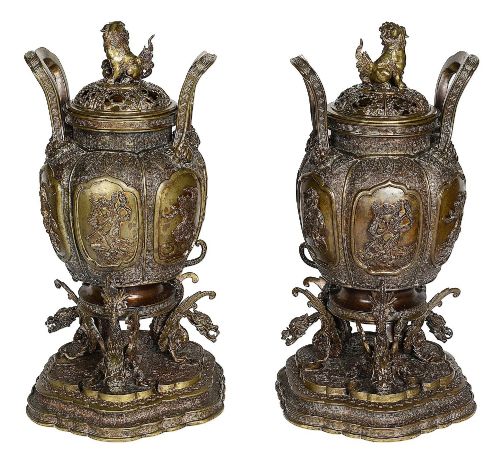
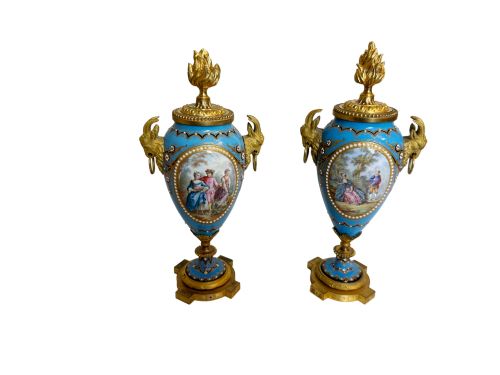
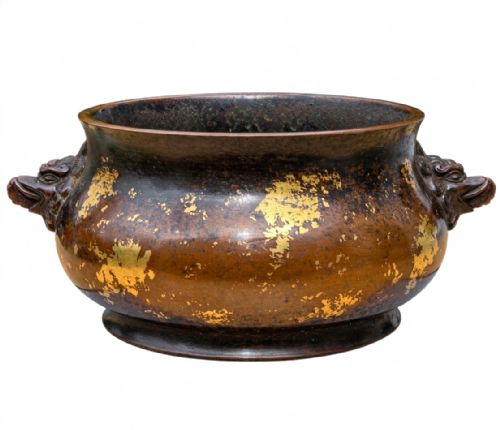
These gilt bronze incense burners bring heavy cast metal and rich gilding into a room, offering both decorative presence and traditional function.
Gilt Bronze Incense Burner
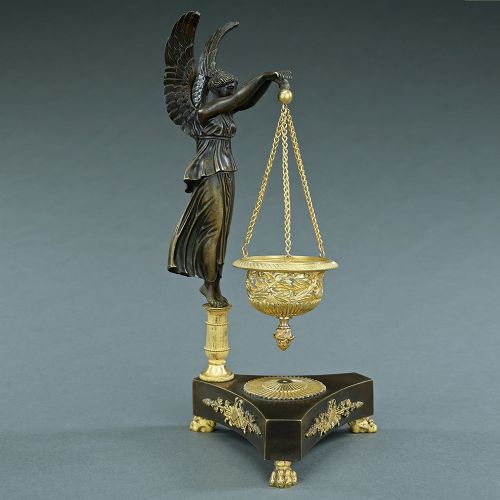
A gilt bronze incense burner is a vessel designed to hold burning aromatics, drawing from both Asian and European decorative traditions. When you search for this phrase, you encounter everything from archaic Chinese vessel forms to refined French garniture pieces.
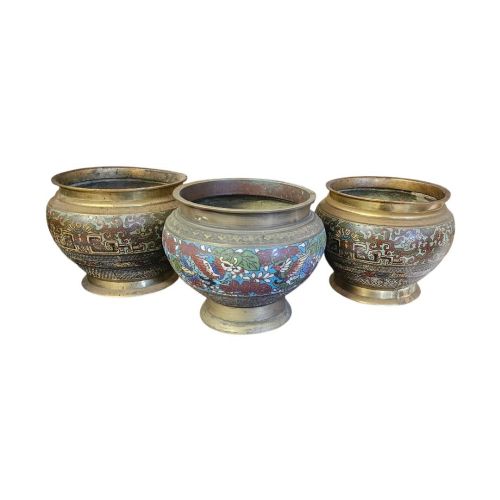
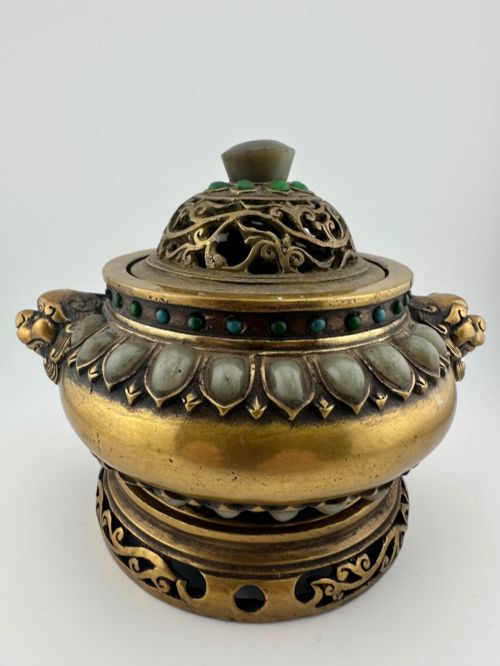
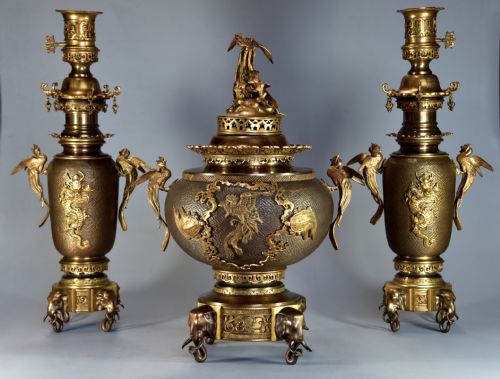
The pieces on this page span several centuries, reaching back to late Ming Dynasty censers and stretching forward into nineteenth-century European revivals. Chinese examples often feature champlevé enamel or hardstone inlay, while French pieces tend to draw upon Louis XVI style, Empire motifs, and Japonisme aesthetics.
You will frequently meet lidded urns, cassolettes, and koro alongside standard censers and jardinières. These items serve as focal points on mantels and side tables, carrying rich patination and surface gilding.
What varies in quality
The distinction between average and exceptional work lies in the crispness of the bronze casting and the depth of the chasing. Superior examples display sharply defined mask handles, clean geometric borders, and meticulously smoothed surfaces beneath the gilding.
Material integration also dictates overall merit, particularly in how securely hardstone inlays, enamel panels, and marble plinths fit within the metal housing. Pieces retaining their original matching covers, stands, or complete garniture sets represent a higher tier of craftsmanship.
Listings feature bronze, gilt bronze, enamel, patinated bronze, gold leaf, marble, ormolu, and jade across nineteenth-century and sixteenth-century periods.
Kizan
The Gilt Bronze Incense Burner Glossary
- Censer
- A vessel specifically constructed for burning incense. These pieces feature pierced lids to allow scented smoke to escape into the room.
- Cassolette
- A decorative vase or urn with a reversible lid that functions either as a closed vessel or a candle holder. French makers produced these frequently during the nineteenth century.
- Ormolu
- Ground gold or gold mosaic applied to bronze objects using a mercury amalgam technique. This finish provides a bright, durable golden surface.
- Champlevé
- An enamelling technique where troughs or cells are hollowed out of the metal surface and filled with vitreous enamel before firing.
Gilt Bronze Incense Burner: Frequently Asked Questions
How do I date a bronze censer?
Dating relies upon stylistic markers, casting weight, and the integration of secondary materials like enamel or hardstone. Ming Dynasty pieces show heavy cast proportions and archaic taotie motifs.
Nineteenth-century European and Asian revival pieces often combine patinated surfaces with crisp machine-tooled ormolu mounts and Japonisme influences.
Where should I place an urn?
These vessels suit prominent focal points such as mantelpieces, entrance tables, and cabinet tops where their vertical form and gilding catch the light. Ensure they rest on stable, level surfaces away from heavy traffic.
Pairing individual censers with matching stands or placing them as part of a garniture set creates a balanced display in a room.
How do I clean gilt bronze?
Dust these surfaces gently using a soft, dry brush or a microfiber cloth to prevent accumulation in recessed chasing. Avoid liquid cleaners, chemical polishes, and abrasive cloths, which strip away fragile gold leaf and ormolu.
Professional conservation is recommended for pieces showing active tarnish or structural instability in their enamel and stone inlays.