


Chinese Cloisonne Enamel Pot
These Chinese cloisonne enamel pot pieces combine heavy metal bases with vivid wirework cells, offering a colourful focal point for any room.
Chinese Cloisonne Enamel Pot
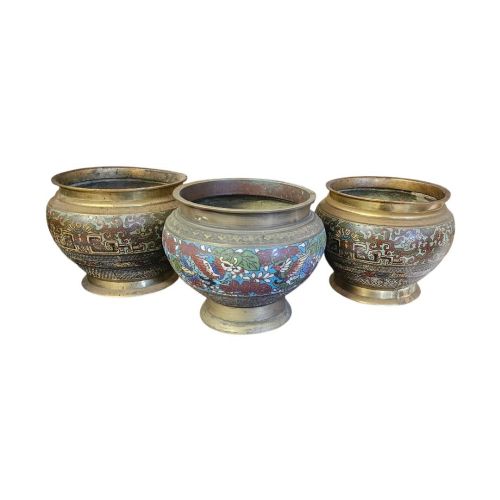
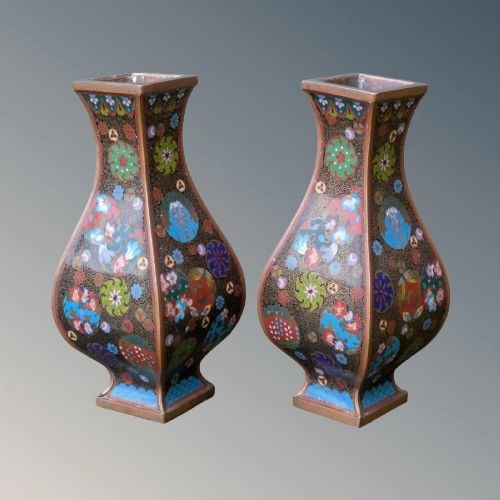
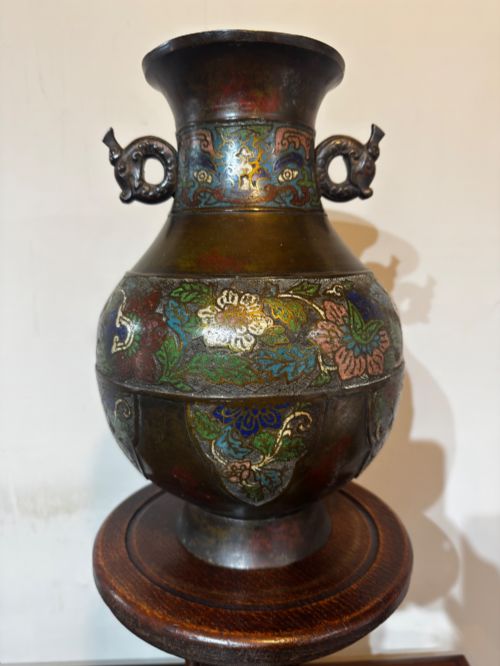
When you search for Chinese cloisonne enamel pot, you encounter an array of vessels that span the nineteenth century up to the mid-twentieth century. The inventory includes large jardiniere planters, vases, lidded koros, and teapots shaped from heavy metal.
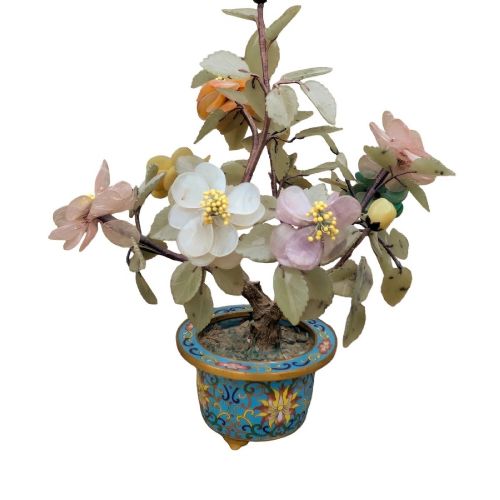
Most examples date from the nineteenth century or the Edwardian period, often reflecting Qing Dynasty traditions. You also find forms integrated with carved hardstone bonsai trees and animal figures.
These decorative objects range from grand floor-standing jardinieres on stands to small navy blue and gold tea pots. They showcase traditional Chinese export styles alongside Chinoiserie aesthetics.
Materials and construction
The foundation of each piece relies on bronze, copper, or brass bodies shaped into bowls, vessels, and vases. Artisans soldered thin metal wires onto the exterior surfaces to form intricate cellular compartments.
These compartments were then filled with coloured enamel pastes before being fired at high temperatures. Finished surfaces often incorporate hardstones such as jade and quartz, particularly within botanical sculptures.
Listings feature items spanning the nineteenth century, Edwardian period, and up to nineteen-fifty, utilising bronze, copper, and hardstone materials.
Assessing quality and craftsmanship
Quality rests in the precision of the wirework and the evenness of the enamel fill across the bronze or copper body. Finer pieces display crisp cell boundaries and harmonious colour transitions without pitting in the glazed areas.
Weight and stability also distinguish the output, especially in larger vessels like jardinieres and lidded koros. Superior examples maintain balanced proportions and secure fittings where stands or hardstone elements join the metal.
The Chinese Cloisonne Enamel Pot Glossary
- Cloisonne enamel
- A metalworking technique where wire partitions hold enamel pastes before firing. This method creates patterned surfaces filled with vibrant colours.
- Jardiniere
- A decorative ceramic or metal pot designed to hold plants or flowers. These large vessels often feature prominent bronze or brass structures.
- Koro
- A traditional incense burner featuring a lid and a bowl body. These lidded vessels frequently employ bronze bases and detailed enamel decoration.
- Champleve
- An enamelling process where troughs are gouged into a metal surface to hold the enamel. This technique differs from wire-formed cloisonne.
- Hardstone
- A semi-precious stone such as jade or quartz used in carving. These materials often accent floral and bonsai arrangements.
Chinese Cloisonne Enamel Pot: Frequently Asked Questions
What is a Chinese cloisonne enamel pot?
These items are metal vessels decorated with soldered wire cells filled with coloured enamel. They include vases, bowls, and jardinieres from various periods.
Craftsmen shaped them from bronze, copper, or brass to create durable decorative objects for display.
How were these vessels used?
Many served as ornamental display pieces, while jardinieres housed plants and bonsai trees. Lidded koros functioned as traditional incense burners in domestic spaces.
Teapots and stem cups also formed part of the functional and decorative range.
How do I date these pieces?
Dating relies on stylistic markers from the Qing Dynasty, Edwardian era, and mid-twentieth century manufacturing methods. Earlier pieces often feature heavier bronze foundations and traditional export motifs.
Examining the wirework style and enamel composition helps place items in their historical window.
How do I care for cloisonne enamel?
Keep these items away from direct sunlight and excessive moisture to protect the metal and enamel surfaces. Dust them gently with a soft, dry cloth.
Avoid abrasive cleaners or chemical polishes that could damage the delicate wire partitions.