
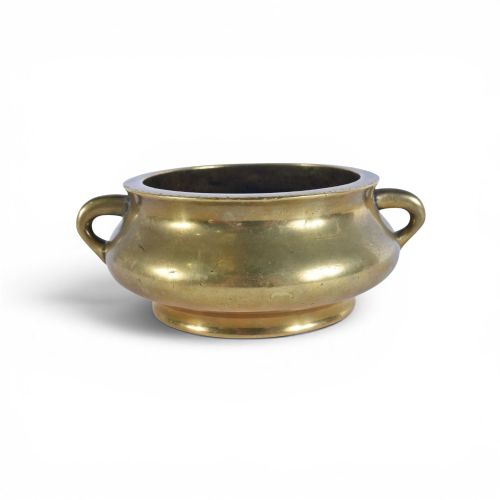


Chinese Ritual Bronze Censer
A Chinese ritual bronze censer brings centuries of philosophical weight and temple ceremony directly into the modern interior.
Chinese Ritual Bronze Censer
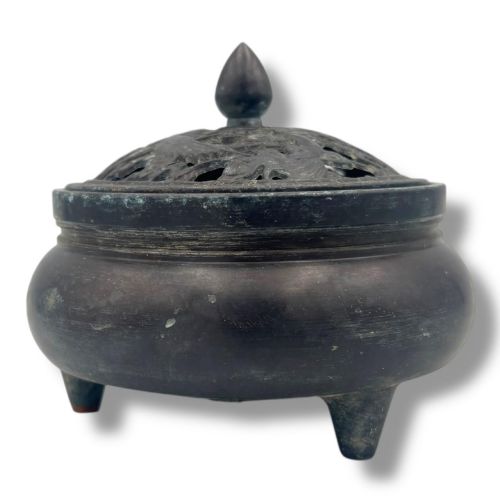
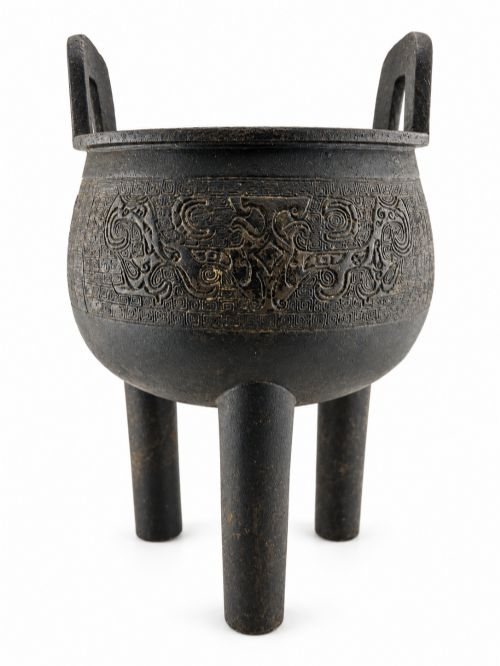
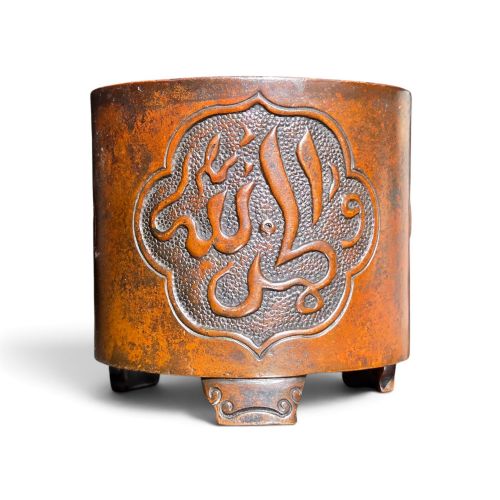
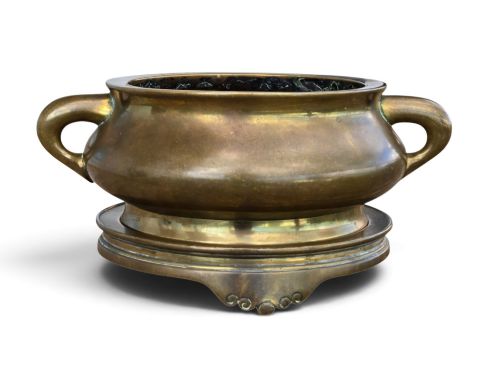
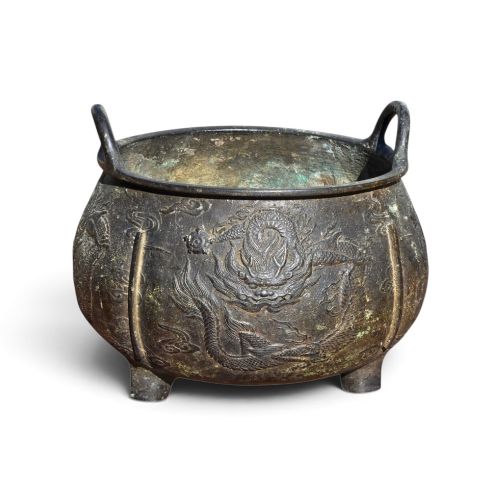
A chinese ritual bronze censer takes the form of heavy tripod vessels, cylindrical burners, and archaic ding bowls intended for burning incense in scholarly and temple settings. The pieces available here span several centuries, from the Ming Dynasty through the Qing Dynasty and into the early twentieth century.
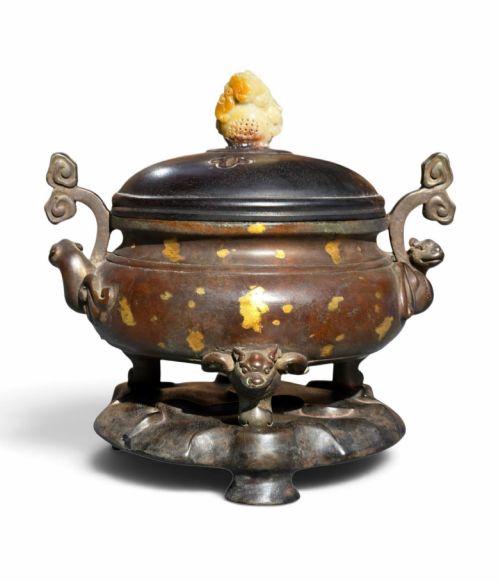
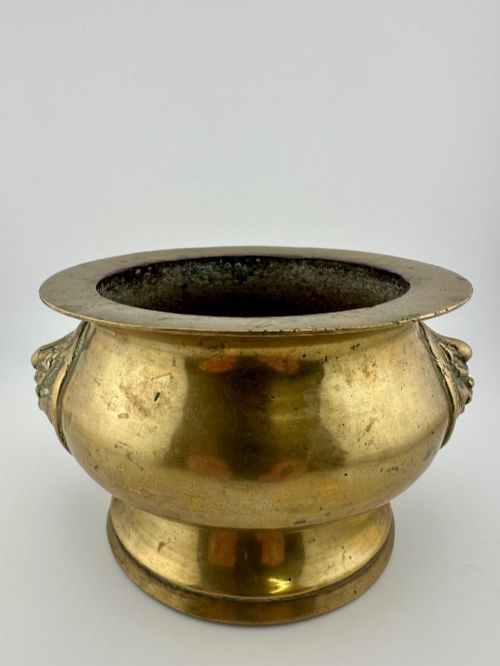
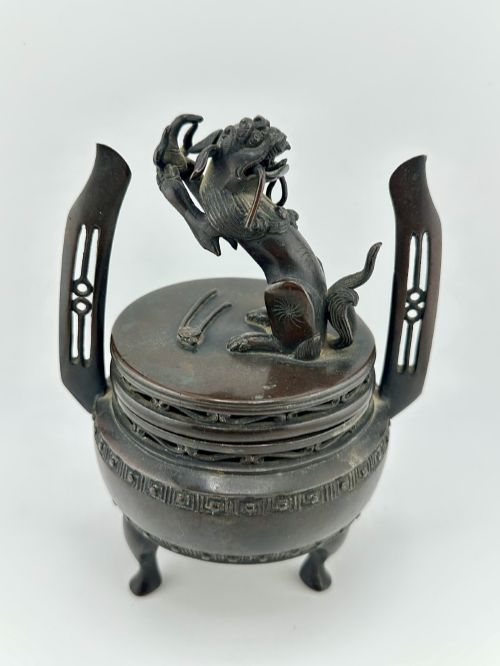
Most examples you encounter follow historical ritual shapes, featuring tripod legs, lion-mask handles, qilin finials, and taotie decoration. Alongside traditional incense burners, the selection includes related sacrificial vessels and temple jardinieres cast in heavy bronze and brass.
The aesthetic draws heavily on archaic Chinese bronzes, reinterpreting ancient ritual forms with patinated surfaces and cast ornament. These objects served high-status functions, bridging ancestral worship, scholarly contemplation, and refined domestic display.
Materials and casting methods
The manufacturing process relies on traditional bronze and copper alloy casting, often producing substantial weight through thick metal walls. Master casters utilised sophisticated techniques to achieve precise archaic motifs, relief decoration, and integrated stands.
Surfaces receive various treatments, from natural dark patination and golden gilt-splash effects to polished brass finishes. Selected pieces incorporate contrasting elements such as jade components and fitted hardwood stands that complement the metal body.
Materials documented across the current selection include standard bronze, patinated bronze, cast bronze, brass, copper alloy, and gold gilt.
Assessing craftsmanship
Quality rests primarily in the precision of the casting and the density of the metal, distinguishing master-cast vessels from standard production. Heavier pieces with crisp relief work, such as distinct taotie masks and secure tripod joints, demonstrate superior workshop standards.
The sophistication of the surface finish and the integrity of the original patina further elevate a piece. Finer examples retain balanced proportions, resonant bell-ring qualities, and harmonious details like functional covers and qilin finials.
The Chinese Ritual Bronze Censer Glossary
- Archaistic
- The deliberate imitation of ancient forms and decorative motifs from early dynasties. This stylistic choice connects later vessels to ancient ritual bronzes.
- Ding
- A traditional Chinese ritual tripod vessel featuring two upright loop handles. These forms originate from ancient sacrificial cooking vessels.
- Taotie
- A mythical zoomorphic mask motif commonly cast in low relief upon ritual bronzes. It serves as a prominent decorative element on archaic vessels.
- Qilin
- A chimerical creature from Chinese mythology often depicted as a finial on vessel covers. Its presence adds auspicious symbolism to the censer.
- Xuande mark
- An imperial reign mark associated with the early Ming Dynasty, frequently placed on later pieces in tribute. It denotes a standard of scholarly appreciation rather than a strict manufacturing date.
Chinese Ritual Bronze Censer: Frequently Asked Questions
How do I date a bronze censer?
Dating relies on stylistic markers, casting weight, and the character of the surface patina developed over centuries. Comparing decorative motifs like taotie masks against known Ming and Qing period examples helps establish the correct era.
Inscriptions and reign marks also provide context, though later pieces frequently replicated earlier imperial marks as a sign of respect for historical craftsmanship.
Were these vessels used for burning incense?
These bronze vessels served primarily for burning aromatic resins and wood powders during scholarly contemplation, ancestral rites, and temple ceremonies. The heavy metal construction safely contained glowing embers and distributed fragrance evenly.
Many retain interior carbon residues or patination changes resulting from genuine historical use in domestic and ritual spaces.
How should I clean an antique bronze?
Antique bronzes require minimal intervention to preserve their historical surface and stable patina. Dusting with a soft, dry cloth is usually sufficient for routine maintenance.
Avoid chemical polishes, abrasive cleaners, or water, as these can strip away centuries of accumulated patination and permanently damage the metal surface.