


Heavy Bronze Censer
A heavy bronze censer brings substantial cast weight and ritual form into a room, offering deep patination and enduring presence.
Heavy Bronze Censer
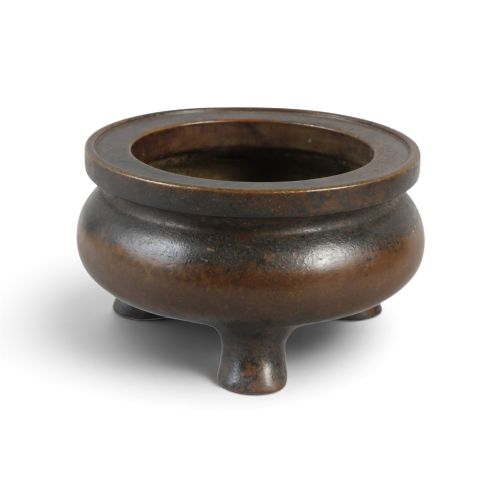
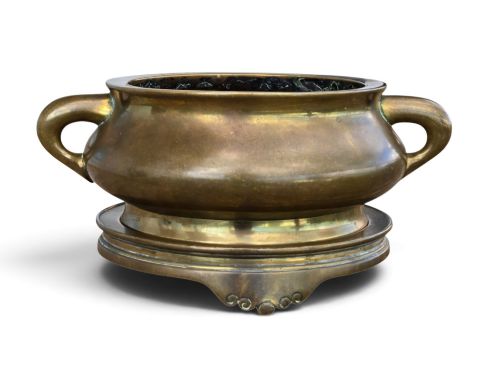
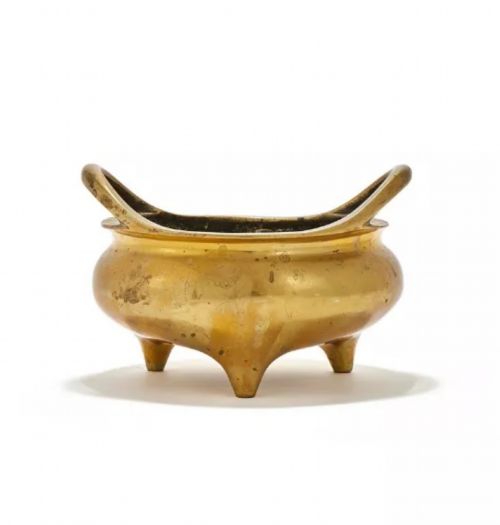
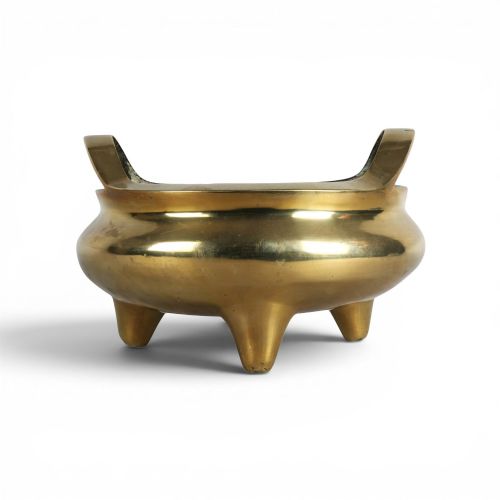
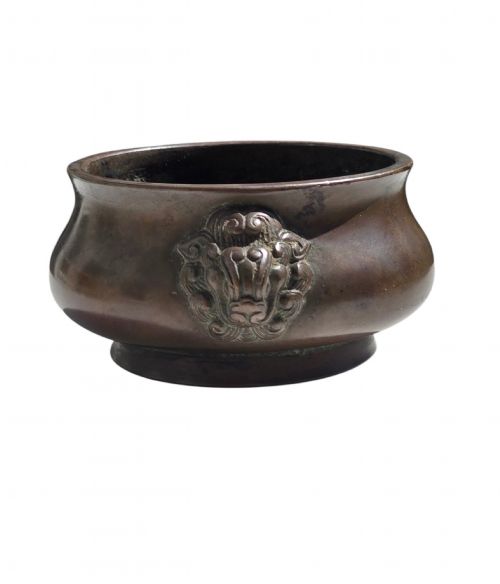
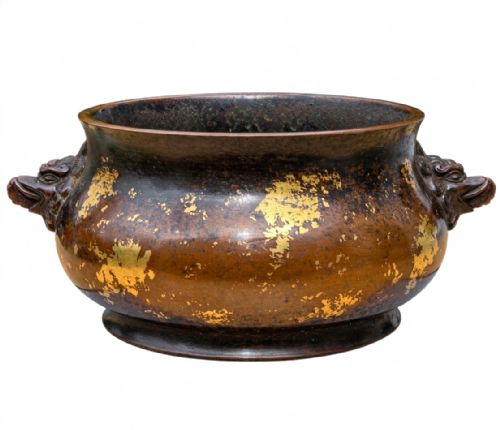
A heavy bronze censer is a vessel designed for burning incense, cast in substantial metal and found in forms ranging from tripod bowls to ritual vessels. When searching this phrase, a buyer encounters pieces originating primarily from the Ming and Qing Dynasties, alongside later nineteenth-century examples. The selection on this page centres heavily on Chinese scholarship and ritual styles, including archaistic designs and scholar's pieces.
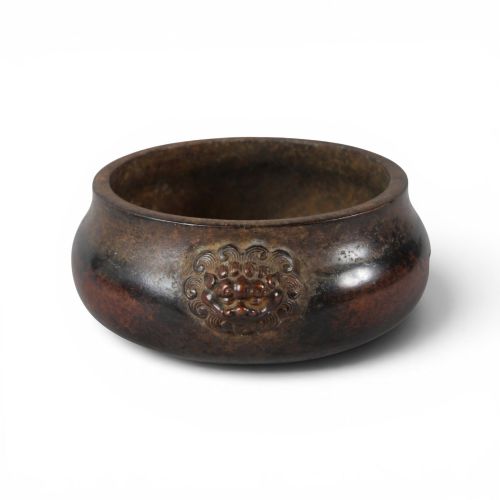
Forms include massive ritual vessels with matching stands, tripod censers bearing maker marks, and large decorative bowls. Many feature distinctive handles shaped as Taotie masks or lion masks, connecting the utilitarian purpose of burning incense to ancient ornamental traditions. Dimensions vary widely, with substantial weights exceeding several kilograms reflecting the heavy casting techniques employed.
What varies in quality
Quality in these vessels rests on the precision of the casting and the density of the metal relative to the scale of the object. Superior examples display crisp relief work in details such as Taotie masks and handles, whereas lesser pieces show softer contours and less defined ornamentation.
The resonance of the metal and the richness of the natural patination further separate standard items from superior scholarship pieces. Master-cast specimens often exhibit balanced proportions and substantial heft, indicating careful control over the cooling and finishing processes.
Listings span the sixteenth through the nineteenth centuries, incorporating Ming Dynasty, Qing Dynasty, and 1880 periods in bronze, brass, and copper alloy.
Wu Bangzuo
The Heavy Bronze Censer Glossary
- Archaistic
- Design elements or vessel shapes that deliberately imitate much older ancient ritual bronzes. This style looks back to early dynasties to evoke historical authority and reverence.
- Censer
- A sacred or decorative vessel specifically constructed for burning incense. These items often feature pierced covers or open tops designed to diffuse fragrant smoke.
- Gui
- An ancient Chinese ritual bronze vessel shape characterised by a rounded bowl and loop handles, frequently adapted in later periods for scholarly use.
- Jardiniere
- An ornamental pot or vessel designed to hold plants or flowers rather than burn incense. These large containers share similar heavy bronze construction with ritual vessels.
Heavy Bronze Censer: Frequently Asked Questions
What is a heavy bronze censer?
A heavy bronze censer is a substantial metal vessel originally used for burning aromatic incense in ritual or scholarly settings. These pieces are defined by thick walls, significant weight, and traditional cast ornamentation.
Most examples seen here date from the Ming and Qing dynasties or the nineteenth century. They combine utility with sophisticated sculptural forms derived from ancient Chinese bronzes.
How were these censers used?
They functioned primarily as receptacles for burning incense sticks or cones during meditation, study, or ritual ceremonies. The heavy bronze walls helped contain heat while diffusing smoke through open tops or pierced lids.
Over time, scholars also collected them purely as contemplative desk objects and decorative works of art. Their substantial presence made them focal points within traditional interiors.
How do I date a bronze censer?
Dating relies on examining the casting style, surface patination, and any historical maker marks stamped or cast into the base. Archaistic motifs and specific reign periods point towards Ming or Qing origins.
Later nineteenth-century pieces often display distinct handling of weight and bolder decorative proportions compared to earlier scholar's masterworks. Comparing the patination helps distinguish genuine historical wear from later patination.
Where should I place a censer?
These vessels suit prominent display surfaces such as low tables, mantelpieces, or dedicated shelving where their weight and form can be appreciated safely. Because many are exceptionally heavy, they require sturdy support.
They pair well with minimalist interiors that allow the dark bronze patination and sculptural mask handles to stand out as focal points.