
Asian Bronze Metalwork
Asian bronze metalwork spans centuries of intricate casting, from archaic censers to Meiji vessels.
Asian Bronze Metalwork
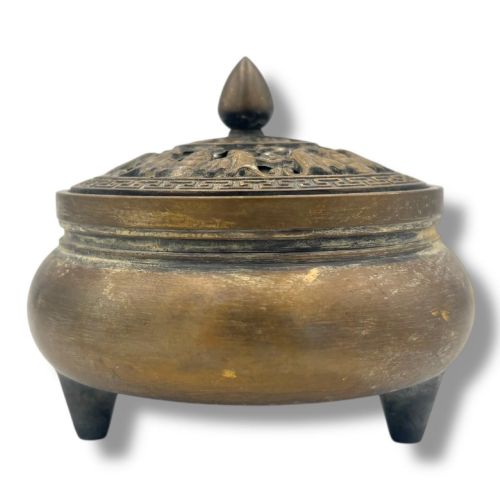
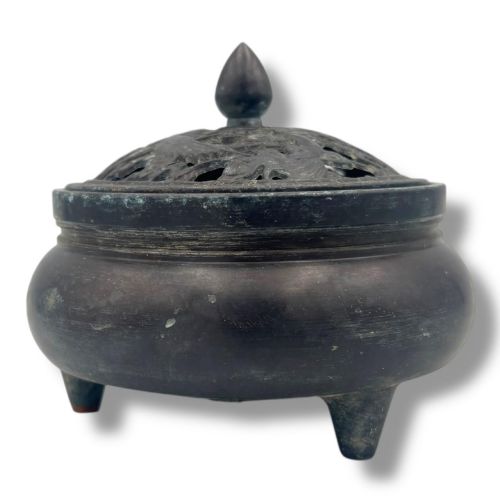
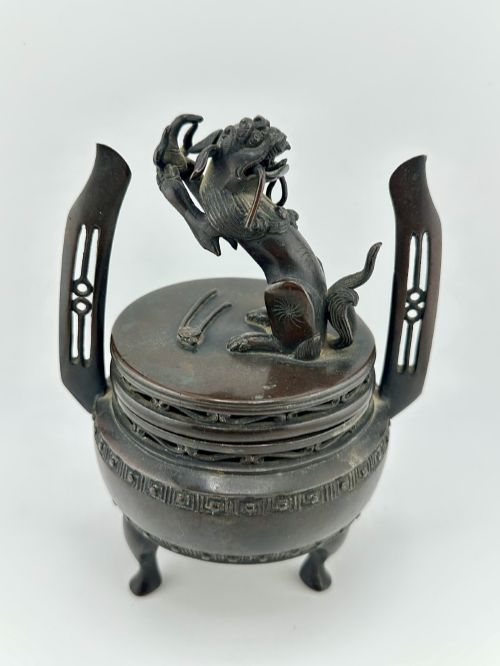
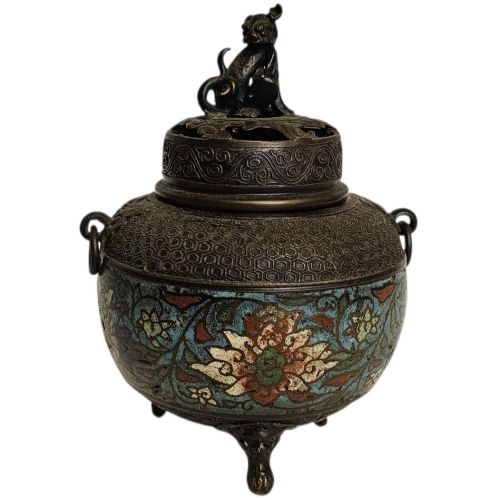
Asian bronze metalwork encompasses a diverse array of utilitarian and decorative objects originating from China, Japan, Tibet, Burma, and India. When exploring this selection, buyers frequently encounter vessels such as tripod censers, alongside figural sculptures, vases, and temple statues.
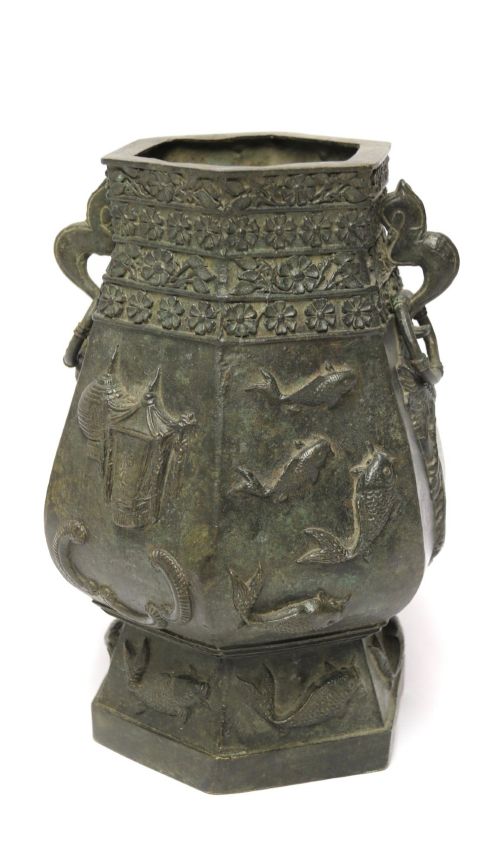
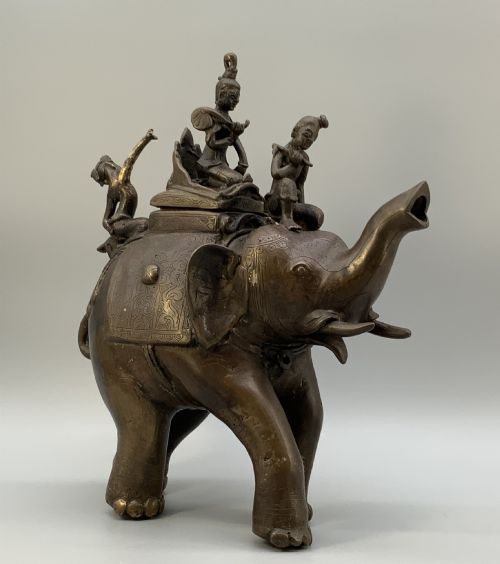
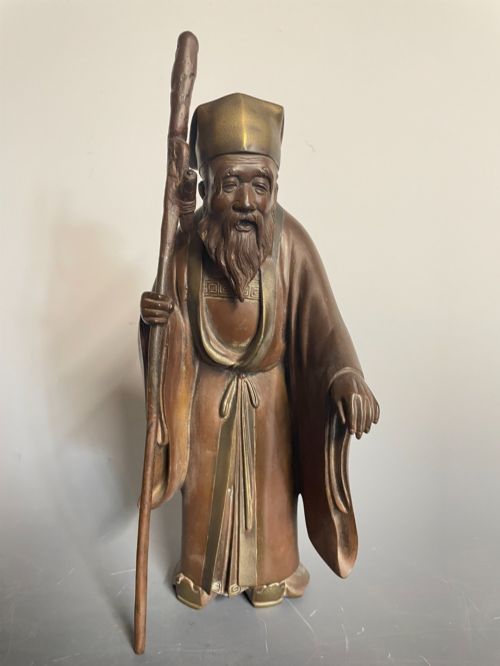
The objects span multiple centuries of production, drawing on regional traditions including the Qing Dynasty, Ming Dynasty, and the Japanese Meiji period. Forms range from scholarly scholar's censers and ritual vessels to intricate animal figures and Buddhist deities.
How they were made
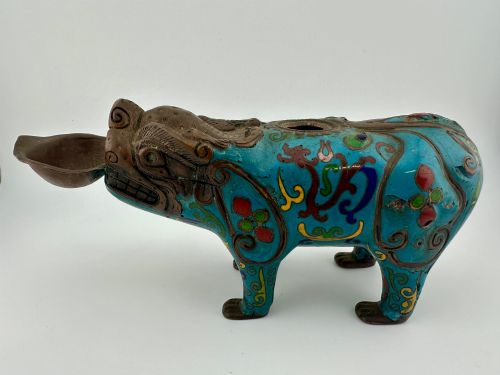
Artisans employed traditional lost-wax casting and solid casting techniques to shape bronze, brass, and copper into complex sculptural forms. Many surfaces received patination, engraving, or champlevé and cloisonné enamel enrichment.
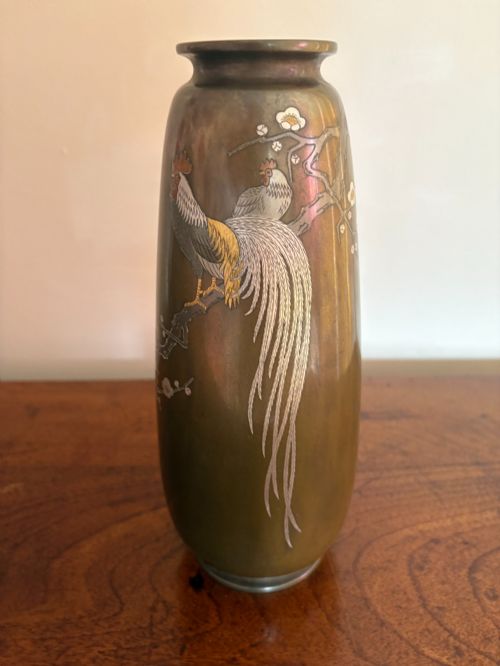
Makers integrated various metals and applied details, such as inlaid elements or pierced floral lids, combining structural weight with fine surface ornamentation.
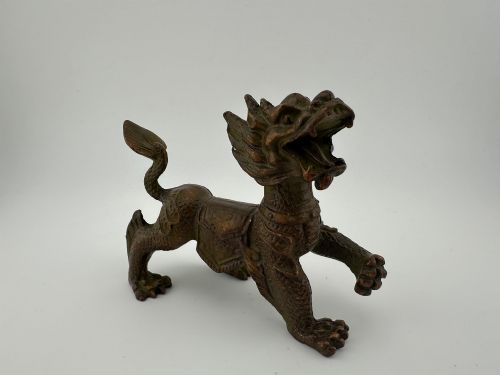
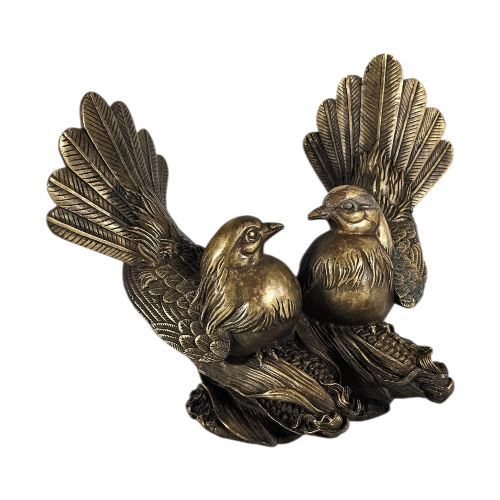
Cast bronze pigs and doves share space with mythical beasts and fierce temple guardians across the centuries.
What varies in quality
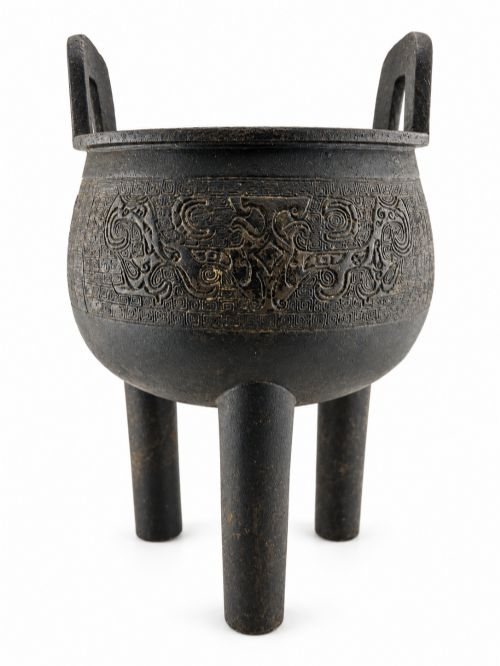
Quality rests upon the crispness of the cast, the depth and execution of decorative motifs like taotie or dragon patterns, and the richness of the applied patina. Substantial weight and balanced proportions distinguish heavier vessels and figures.
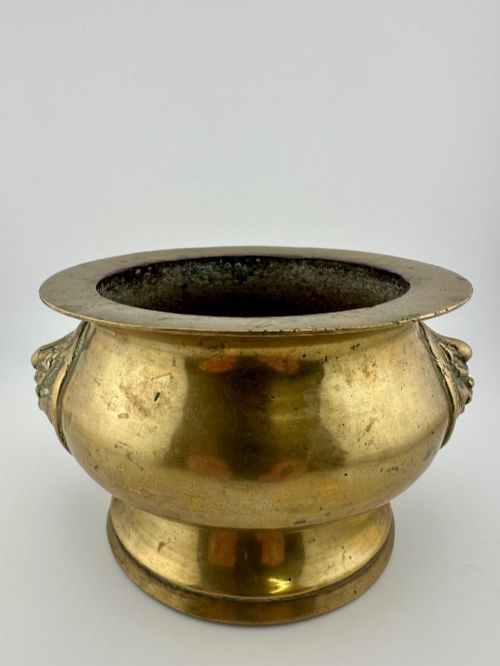
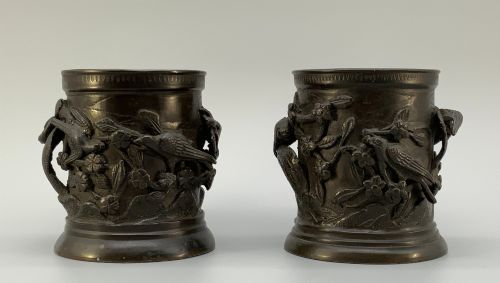
The finesse of secondary details, such as finely chased feathers on birds, articulated lion mask handles, or precise enamel cell-work, separates standard production from exceptional examples.
KANASAWA
The Asian Bronze Metalwork Glossary
- Censer
- A vessel designed for burning incense during ritual or scholarly pursuits. They often feature tripod legs and pierced lids.
- Cloisonne
- An enamelwork technique where metal wires form raised partitions to hold coloured enamel pastes. These cells are subsequently fired and polished smooth.
- Patinated bronze
- Metal treated with chemical solutions to produce an aged surface colour. This process enhances sculptural contours and protects the base metal.
- Xuande mark
- An imperial mark referencing the Ming Dynasty reign, frequently applied in later periods as a tribute to historical craftsmanship.
Asian Bronze Metalwork: Frequently Asked Questions
What is an archaic bronze censer?
An archaic censer is a ritual vessel influenced by ancient Chinese ritual bronzes, typically featuring symbolic motifs like taotie masks and tripod supports. These heavy pieces were traditionally utilised in scholar's studios or ancestral shrines for burning incense.
Collectors value these forms for their historical references and heavy metal construction. They often display archaic scripts or studio marks on the base.
How do I identify Meiji period bronzes?
Meiji period bronzes originate from late nineteenth and early twentieth-century Japan, characterised by naturalistic depictions of animals, birds, and daily life. Artisans frequently combined high-relief casting with intricate inlays and varied patination.
These works reflect a period of immense technical skill driven by international exhibitions. Their subjects range from monumental vases to charming figural groups.
What are Buddhist deity statues made from?
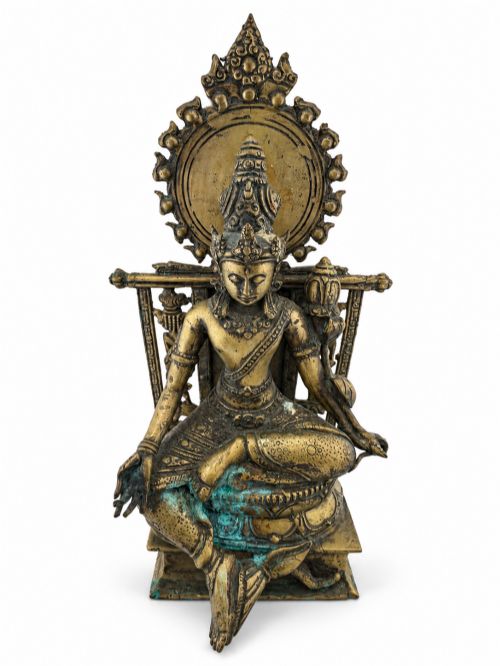
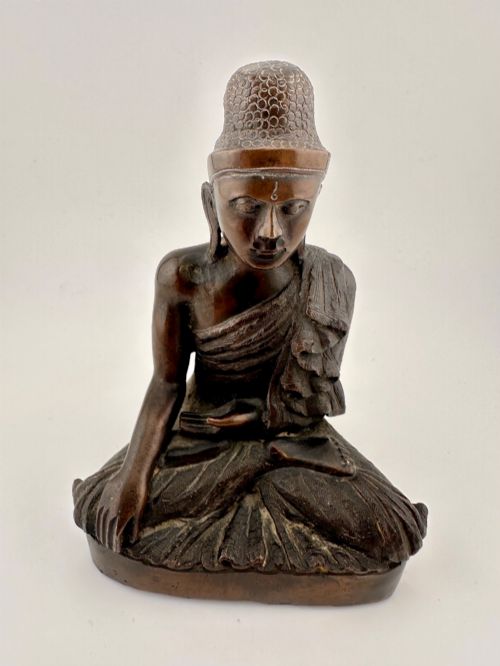
Himalayan and Southeast Asian Buddhist statues are typically cast from bronze or copper, depicting figures such as Green Tara or Shakyamuni Buddha. They often incorporate regional iconographic details tied to Tibetan, Nepalese, or Burmese traditions.
Such figures served sacred functions in domestic shrines and temples. Their surfaces may show remnants of gilding or ritual pigments.
What does cloisonne enamel involve?
Cloisonné involves soldering thin metal strips onto a bronze or copper body to create enclosed compartments. These compartments are filled with enamel paste and fired multiple times to achieve a durable decorative surface.
This technique produces vibrant floral and avian patterns across vases, chargers, and censers. The resulting finish combines metallic outlines with colourful vitreous details.