


Dark Bronze Decorative Vase
A dark bronze decorative vase brings classical weight and patinated depth to a room, spanning nineteenth-century French empire styles to Japanese Meiji period metalwork.
Dark Bronze Decorative Vase
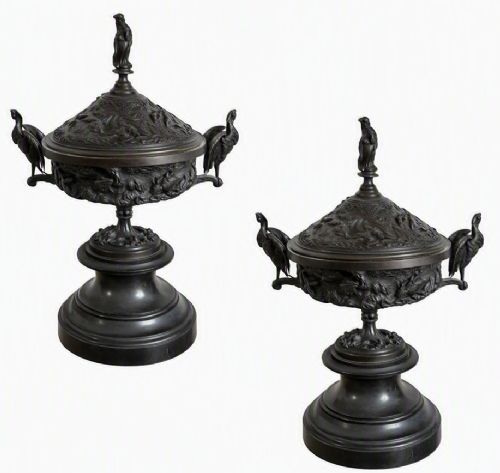
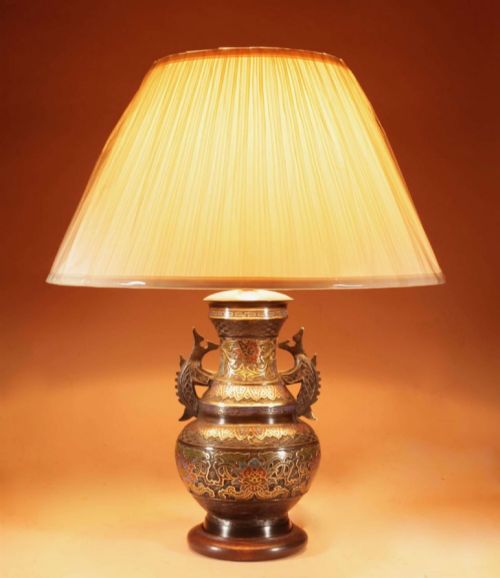
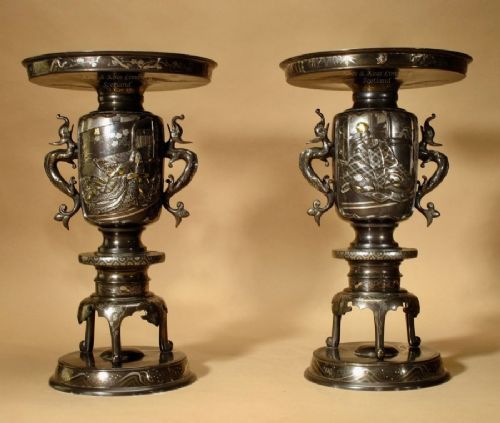
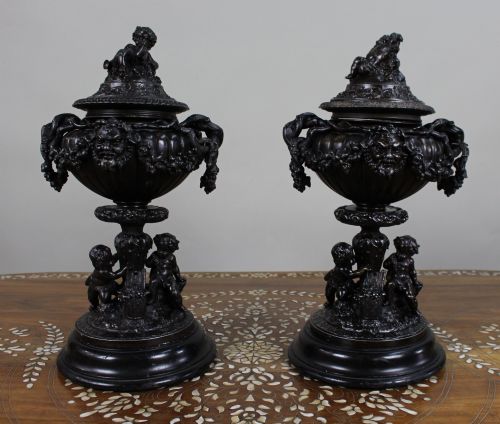
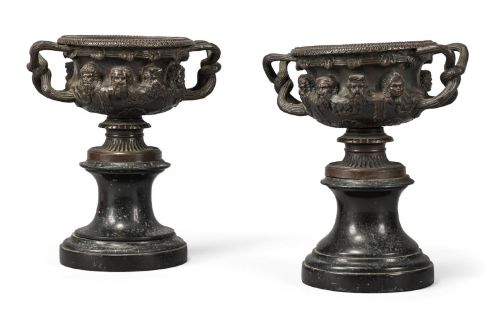
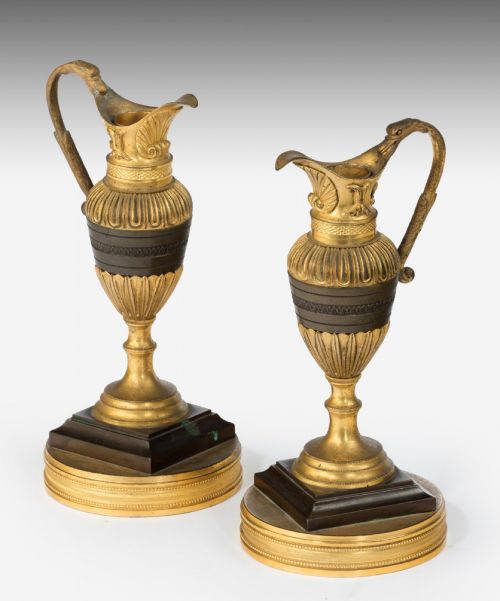
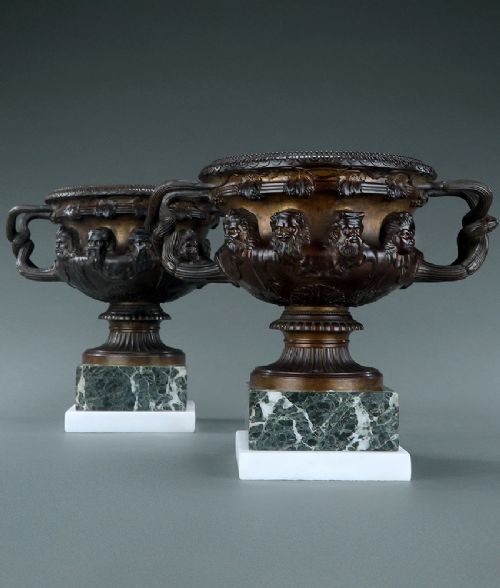
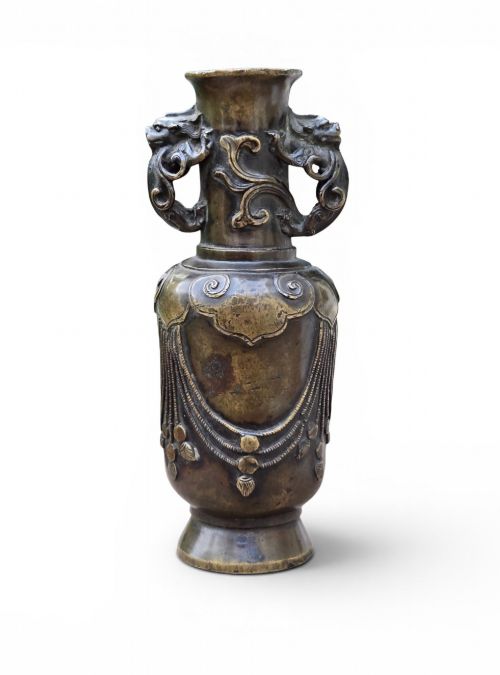
A dark bronze decorative vase encompasses classical campana urns, Grand Tour souvenirs, and intricate Japanese baluster vessels produced across the nineteenth and early twentieth centuries. These metal objects range from French neoclassical ewers mounted on marble plinths to heavy bronze flower pots and table lamps.
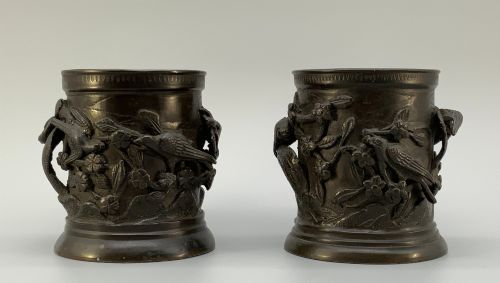
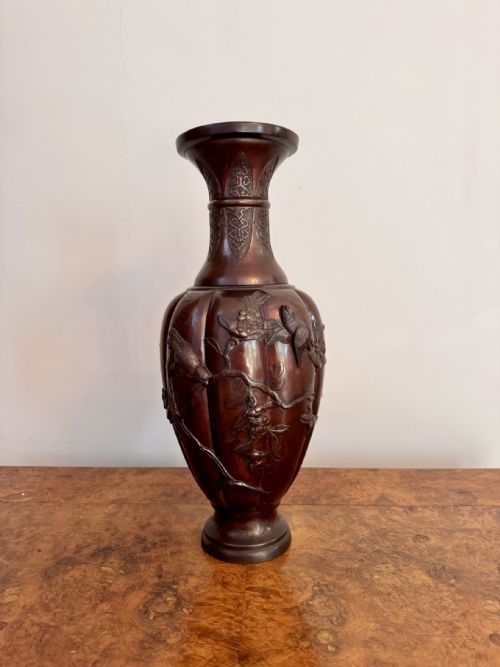
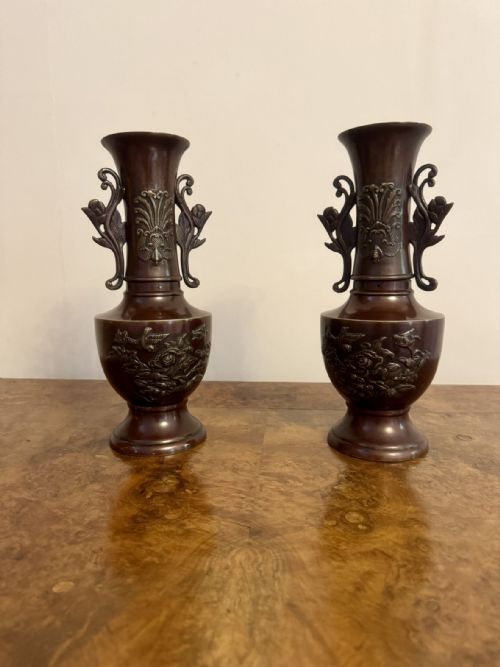
The pieces listed here lean heavily toward nineteenth-century European interpretations of antiquity alongside Meiji period Japanese metalwork featuring birds, blossom, and champlevé enamel. Buyers encounter pairs of matching urns as well as singular figural vessels cast in patinated bronze or bronzed spelter.
How they were made
Foundry workers cast these vessels using traditional bronze and brass alloys, frequently finishing the surfaces with dark patination, ormolu highlights, or applied enamel details. French and Italian foundries utilised sand-casting methods for campana urns and ewers, while Japanese metalworkers employed intricate chasing and inlay techniques.
Many items incorporate mixed media such as green marble bases, wooden pedestals, and carved stone mounts to elevate the metal body. Surface decoration often involves hand-chased bird and floral motifs or classical mythological masks cast in relief.
Some bronze frogs sit permanently perched upon Art Nouveau water vessels.
What varies in quality
The standard of a cast rests upon the crispness of the chased detail and the depth of the dark patination across the bronze body. Superior examples display sharply rendered figures, clean casting seams, and integrated handles that align harmoniously with the classical or Meiji proportions.
Material composition also dictates the standing of a piece, distinguishing genuine heavy bronze and ormolu mountings from lighter spelter alternatives. Fine additions include original marble plinths and signed work from recognised nineteenth-century sculptors.
Jules Moigniez·Charles Korschann·Jean Dunand
The Dark Bronze Decorative Vase Glossary
- Patinated Bronze
- Bronze metal treated with chemical solutions to produce a darkened, aged surface finish. This protective coating deepens the tone of the metal.
- Campana Urn
- A bell-shaped vessel with a flaring rim derived from ancient Roman pottery. These forms frequently appear in nineteenth-century decorative pairs.
- Champlevé
- An enamelling technique where troughs are dug into the bronze surface and filled with vitreous paste before firing. It creates vibrant coloured patterns against the dark metal.
- Grand Tour
- A cultural journey undertaken by nineteenth-century Europeans who collected miniature bronze ruins and classical vases as souvenirs. These decorative objects replicate famous antiquities.
- Ormolu
- Gilded bronze ornamentation applied to furniture and decorative vases. The technique involves fusing a mercury-gold amalgam to the bronze base.
Dark Bronze Decorative Vase: Frequently Asked Questions
What periods do these bronze vases come from?
The pieces span the nineteenth and early twentieth centuries, encompassing Regency, Victorian, and Meiji periods.
European foundry work sits alongside Japanese metalwork from the same era.
Are these vases meant to hold water?
Most of these decorative vessels served as display objects, garniture sets, or architectural ornaments rather than functional flower holders.
Some feature internal liners or were adapted later into table lamps.
How do I care for a dark bronze surface?
Dust the metal gently with a soft, dry cloth to protect the original patinated finish from abrasion.
Avoid using commercial metal polishes or harsh chemical cleaners that strip the dark colour.
What is the difference between bronze and spelter?
Bronze is a durable alloy of copper and tin that yields a heavy, crisp casting with rich natural patination.
Spelter is a softer, zinc-based white metal used as a cheaper substitute and typically painted to imitate dark bronze.