




Bronze Figural Vase
A bronze figural vase brings sculptural form and classical or Art Nouveau character to a room.
Bronze Figural Vase
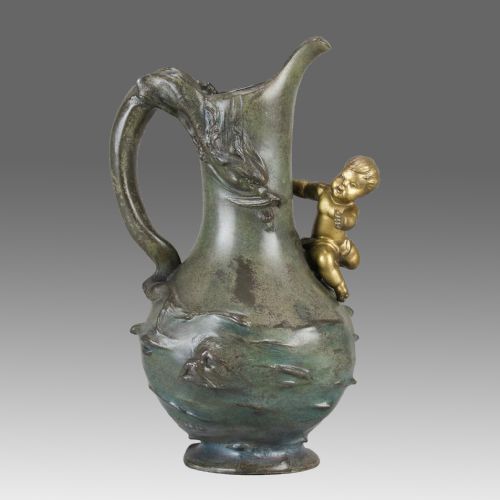
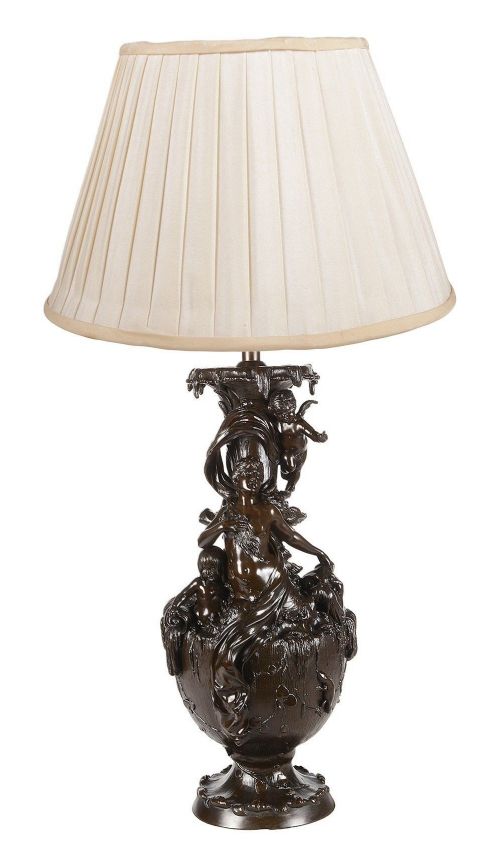
A bronze figural vase combines utilitarian vessel forms with cast human or mythological figures, often serving as a sculptural centrepiece or lamp base. When you search for a bronze figural vase, you encounter works that integrate figures such as nymphs, putti, Bacchus, or the Goddess Amphitrite directly into the vessel structure.
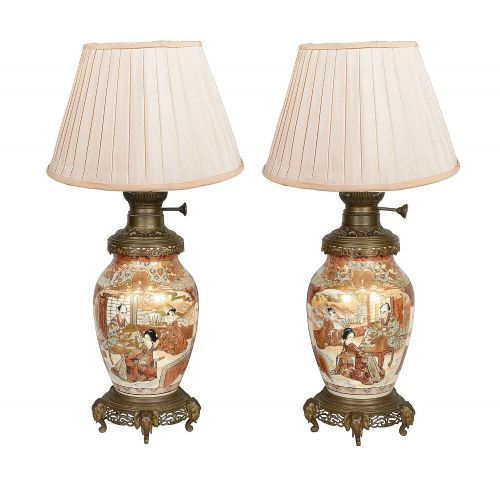
The examples seen on this page span the nineteenth century into the early twentieth century, taking the form of ewers, pitchers, and table lamps. Makers applied figural handles and mounts to cast metal bodies, sometimes pairing bronze with porcelain or marble elements.
Art Nouveau designs dominate the later pieces with flowing organic lines, while nineteenth-century classical and Victorian works favour mythological subjects and structured garniture forms.
How they were made
These pieces rely primarily on bronze casting techniques, utilising metal alloys shaped into ewers, jugs, and sculptural bases. Gilt bronze and bronzed finishes provide varied surface textures, highlighting anatomical details in figures like nymphs and putti.
Many items incorporate mixed media, mounting bronze elements onto earthenware, porcelain bodies such as Satsuma and Rose Medallion, or supporting them with marble bases. Silk components occasionally appear in related table lamp configurations.
Dolphins double as functional handles while mythological deities and winged putti casually inhabit nineteenth-century mantelpieces.
What varies in quality
The integration between the figural components, such as handles or flanking putti, and the main vessel body distinguishes superior examples from standard production. Artisanal execution by named sculptors elevates the artistic merit beyond decorative factory output.
Charles Korschann·Georges Van De Voorde
The Bronze Figural Vase Glossary
- Bronze
- An alloy consisting mainly of copper alloyed with tin, used for durable metal casting. It develops a rich patina over time.
- Ewer
- A large jug with a wide spout and a prominent handle, traditionally used for holding water but frequently produced as a decorative ornamental vase.
- Garniture
- A set of matching ornamental vases or figures designed to be displayed together on a mantelpiece or sideboard.
- Putto
- A representation of a plump, naked child, often winged, appearing frequently in classical and Art Nouveau sculptural metalwork.
- Patina
- The surface sheen or colour that develops on bronze through age, handling, and oxidation.
Bronze Figural Vase: Frequently Asked Questions
What is a bronze figural vase?
A bronze figural vase is a decorative vessel cast in metal that incorporates human figures, mythological characters, or sculptural handles into its design.
These objects often function as standalone decorative works, ewers, or converted table lamps from the nineteenth and early twentieth centuries.
How were these vases used?
Many of these pieces served as decorative display items, mantel ornaments, or part of matching clock garnitures in nineteenth-century interiors.
Later examples were frequently adapted with electrical fittings to serve as sculptural table lamps while retaining their artistic figural bases.
How do I identify Art Nouveau pieces?
Art Nouveau works from this selection typically feature fluid, organic lines, plant motifs, and naturalistic figural subjects like nymphs and putti.
Created around the turn of the twentieth century, these pieces emphasise movement and asymmetrical sculptural forms associated with artists of that period.
Are these pieces made entirely of bronze?
While the figural mounts, handles, and main bodies are frequently cast in bronze, gilt bronze, or brass, many examples incorporate other materials.
Listings show bronze elements combined with porcelain bodies, earthenware, marble bases, and occasionally silk components on lamp fittings.