




Classical Male Bronze
A classical male bronze captures heroic form and ancient myth, offering substantial presence and historic charm to any interior.
Classical Male Bronze
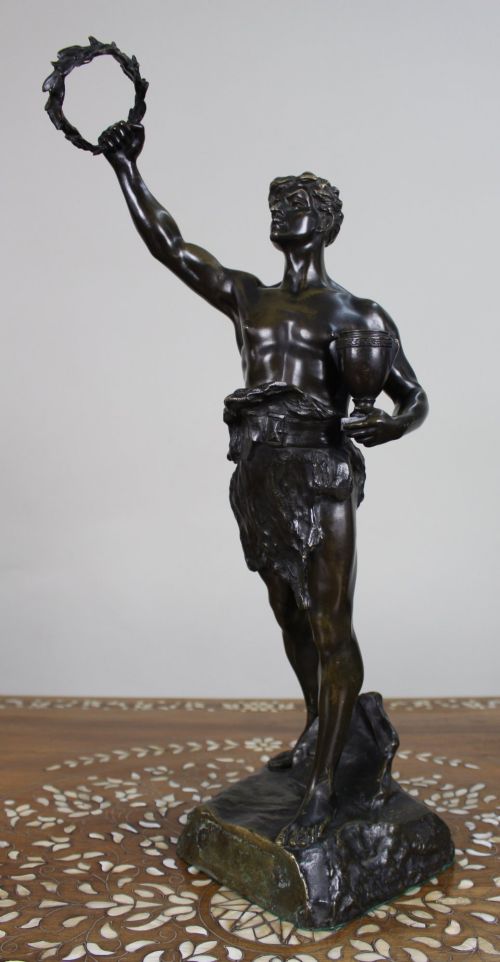
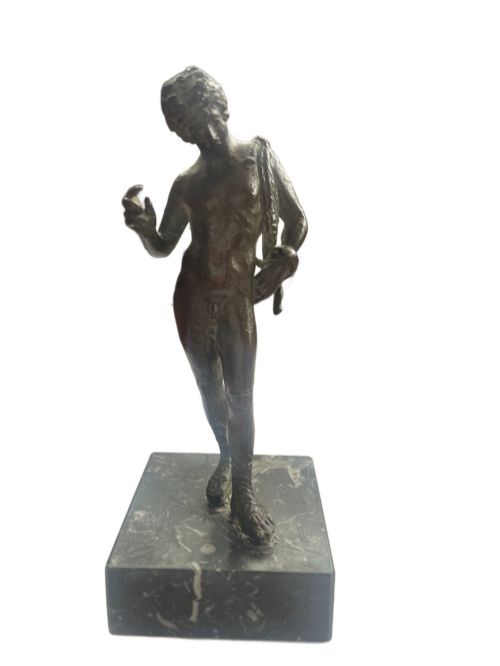
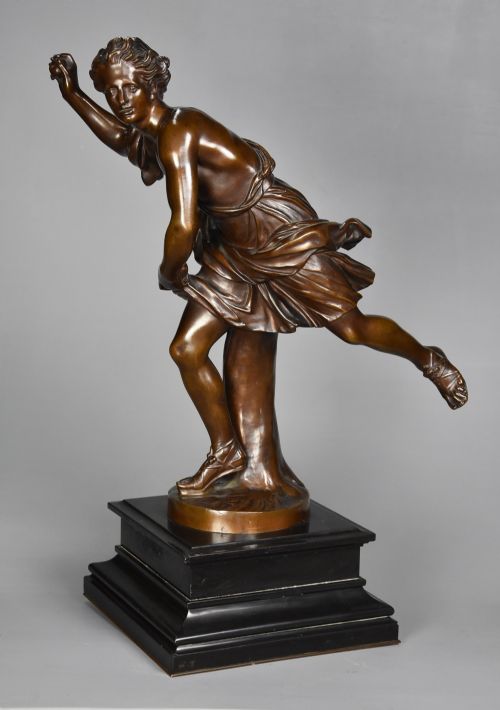
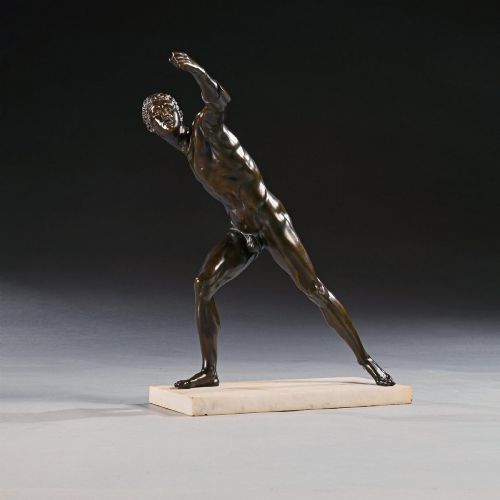
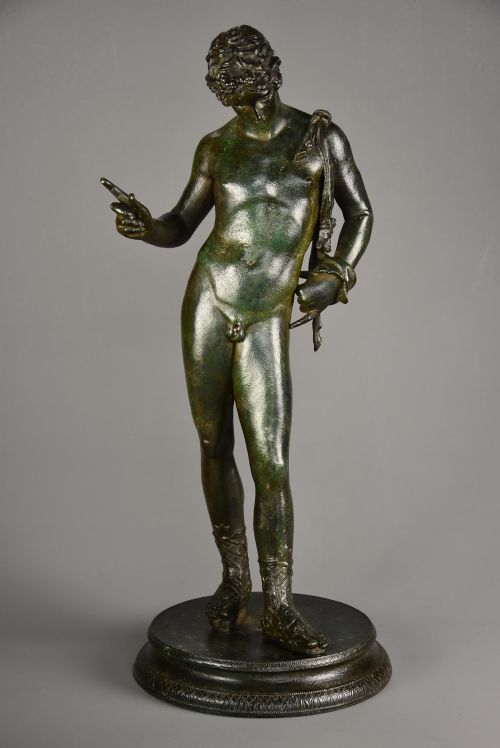
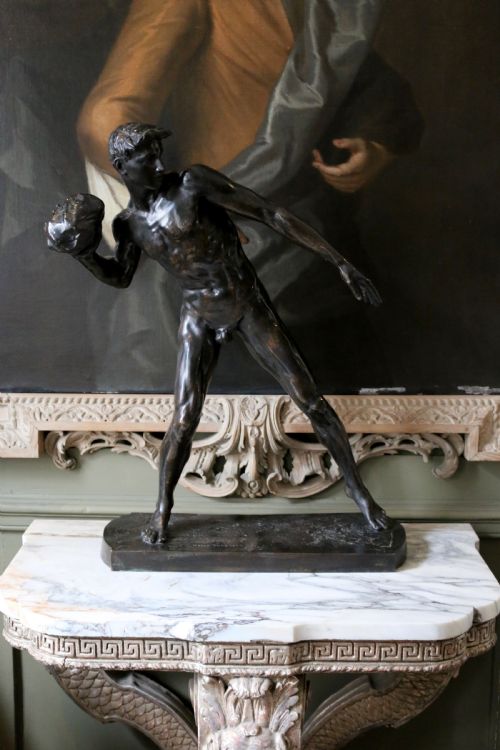
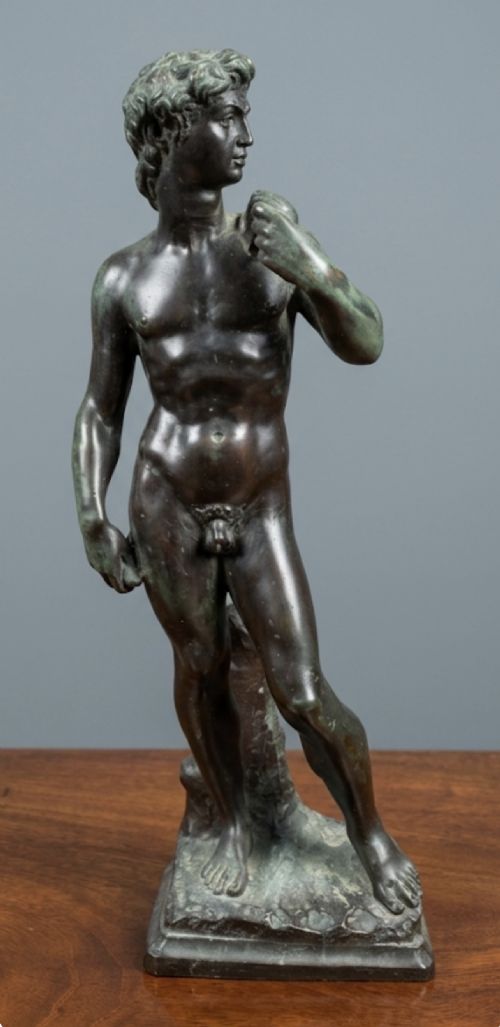
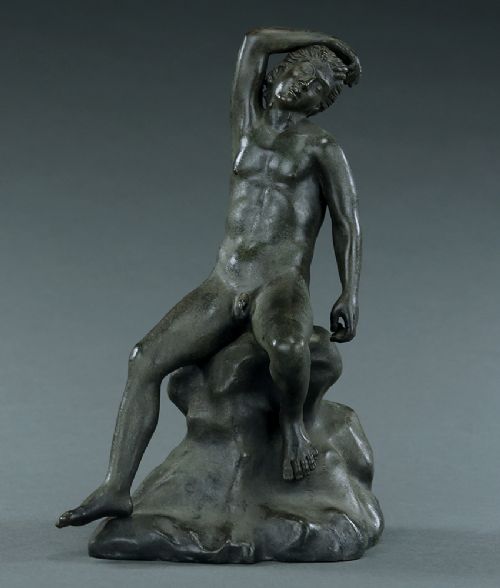
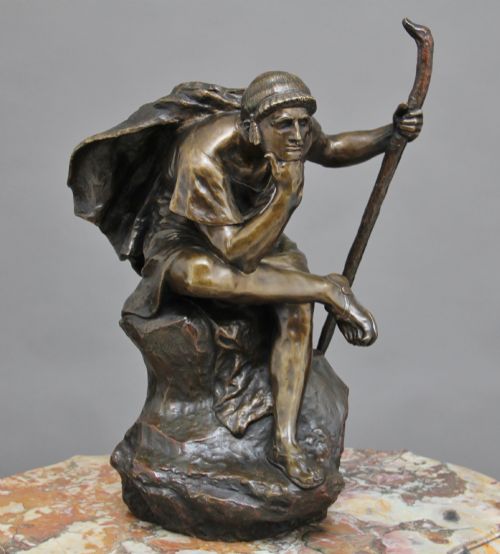
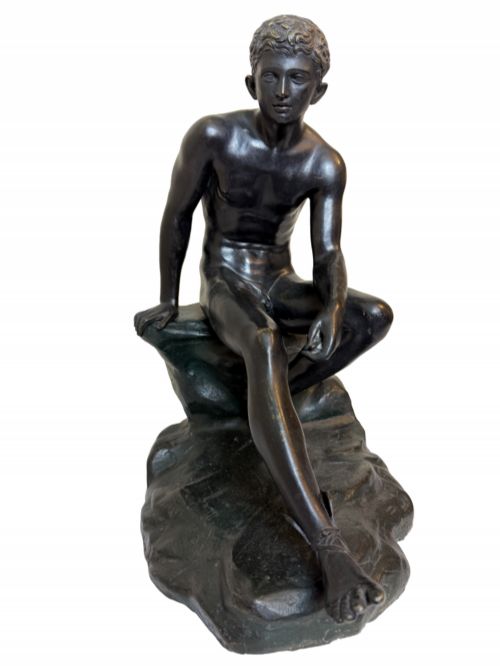
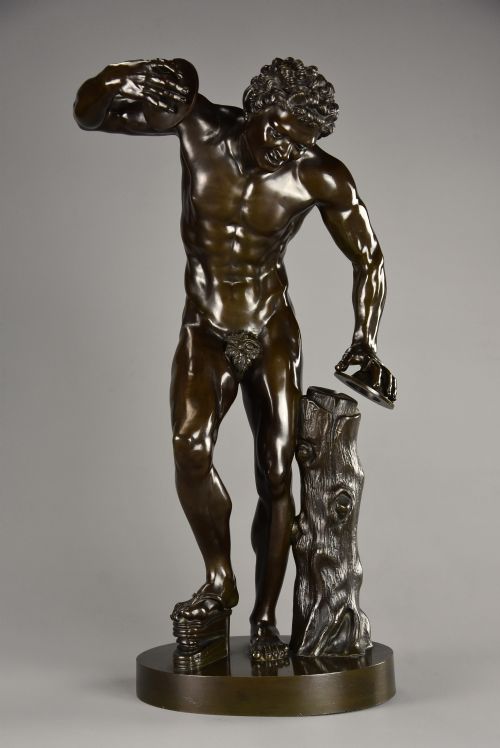
A classical male bronze embodies historical figures, athletic youths, and mythological characters drawn from antique sculpture. When exploring classical male bronze selections, pieces range from grand tour souvenirs to substantial nineteenth-century French foundry casts.
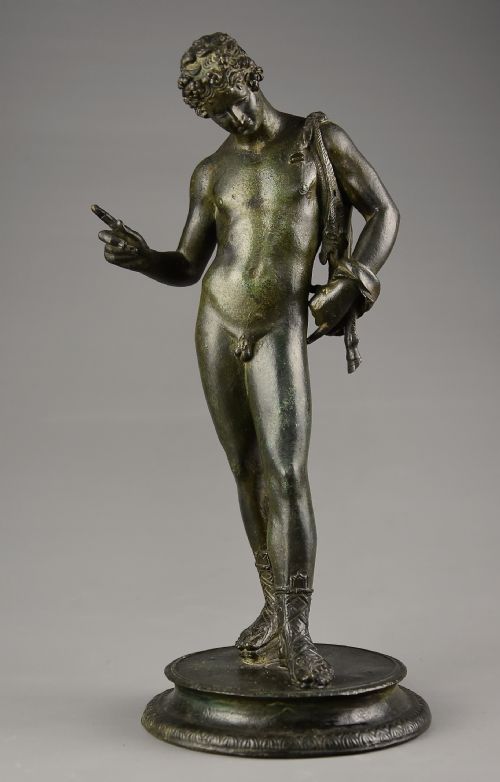
The most common examples on this page are nineteenth-century representations of subjects like Narcissus, gladiators, and mythological deities. These sculptures frequently stand upon integrated bases or heavy stone plinths.
Originating largely from British, French, and Italian workshops, these works scale down monumental museum pieces for domestic display. They reflect both academic realism and the enduring taste for antiquity.
How they were made
Foundries typically utilised the lost-wax method or sand casting to produce these metal figures. Molten bronze poured into moulds captured intricate muscular detail and facial expression before cooling into solid form.
Artisans applied chemical treatments to create patinas varying from deep black and rich brown to varied green verdigris. Many figures were mounted onto heavy supports of marble, fossil marble, or brass.
Classical Male Bronze Retail Price Guide 2026
Typical asking prices for classical male bronze among the pieces listed under this phrase on Sellingantiques today, from the lower quarter to the upper quarter. They describe what is for sale here now, not the wider market.
Several figures depict mythological youths caught mid-stare at their own reflections.
What varies in quality
The definition in muscular contours and crispness of chiselling separate superior casts from softer reproductions. Foundry stamps, artist signatures, and known maker marks denote higher workshop standards.
The nuance and depth of the patination, alongside the density and finish of the accompanying marble base, indicate the level of craftsmanship invested in the object.
Lemoyne·Barbedienne·Hamo Thornycroft·Julien Lorieux·Emile Louis Picault·Giuseppe Moretti·Eugene Barillot·Sir Thomas Brock·Mathurin Moreau·Raoul Francois Larche
The Classical Male Bronze Glossary
- Grand Tour
- A traditional educational journey through Europe undertaken by upper-class young men, acquiring art and antiquities. Souvenirs from these travels heavily inspired nineteenth-century foundry production.
- Patination
- The chemical colouring applied to the surface of metal to create varied tones and protect the alloy. A deliberate patina enhances the visual depth of sculpted musculature.
- Spelter
- A cheaper zinc alloy often used as a substitute for bronze in decorative figures. It is lighter and softer than true bronze.
- Verdigris
- A green patina formed naturally on copper and bronze through oxidation, or artificially applied by artists. This green coloration often mimics buried antiquities.
Classical Male Bronze: Frequently Asked Questions
What subjects do these figures depict?
These sculptures depict ancient heroes, mythological gods, gladiators, and athletes derived from classical antiquity. Common subjects include Narcissus, Bacchus, and David.
Many compositions replicate famous statues discovered during archaeological excavations in Italy and Greece during the nineteenth century.
How do I identify a grand tour bronze?
Grand tour pieces are typically smaller reductions of major classical antiquities, produced in Italy or France during the nineteenth century. They frequently feature deep patination and mount onto marble or slate bases.
Foundry marks or Italian stamps occasionally appear on the underside or base edge, indicating their origin as travel souvenirs.
Where should I display a heavy bronze?
These statues require stable surfaces such as sideboards, pedestals, or mantelpieces that can support considerable weight. Placing them away from direct heat sources protects the metal and any fitted stone base.
Ensure adequate lighting from above or the side to properly highlight the patinated contours of the figure.
How do I clean an antique bronze?
Dust the surface regularly with a soft, dry brush to prevent particulate accumulation. Avoid chemical cleaners or water, which can strip the historical patina.
Applying a very light coat of microcrystalline wax occasionally helps preserve the stability of the metal finish.