
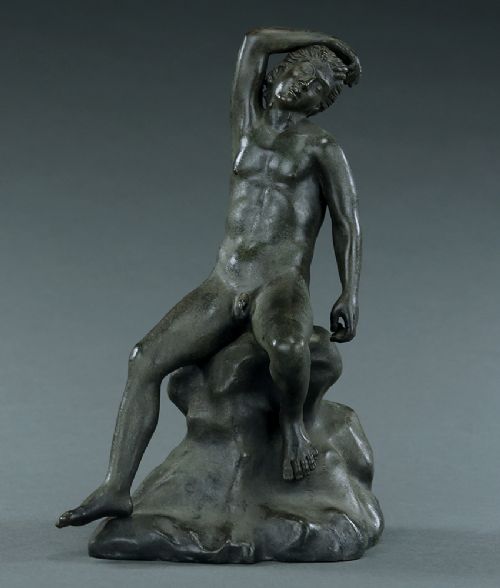
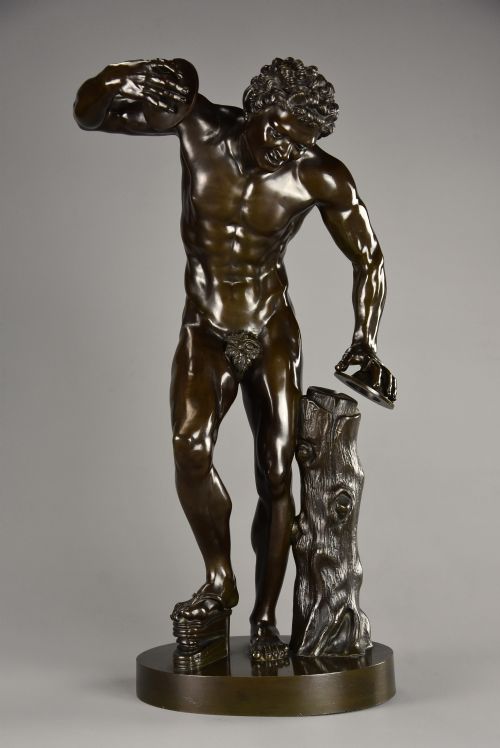


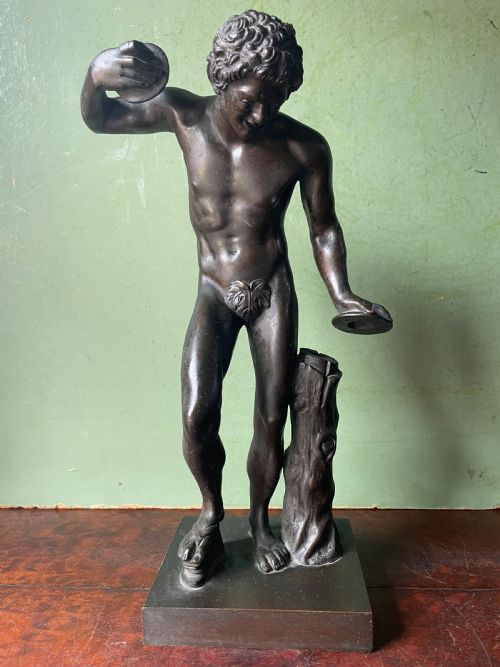
Bronze Faun Sculpture
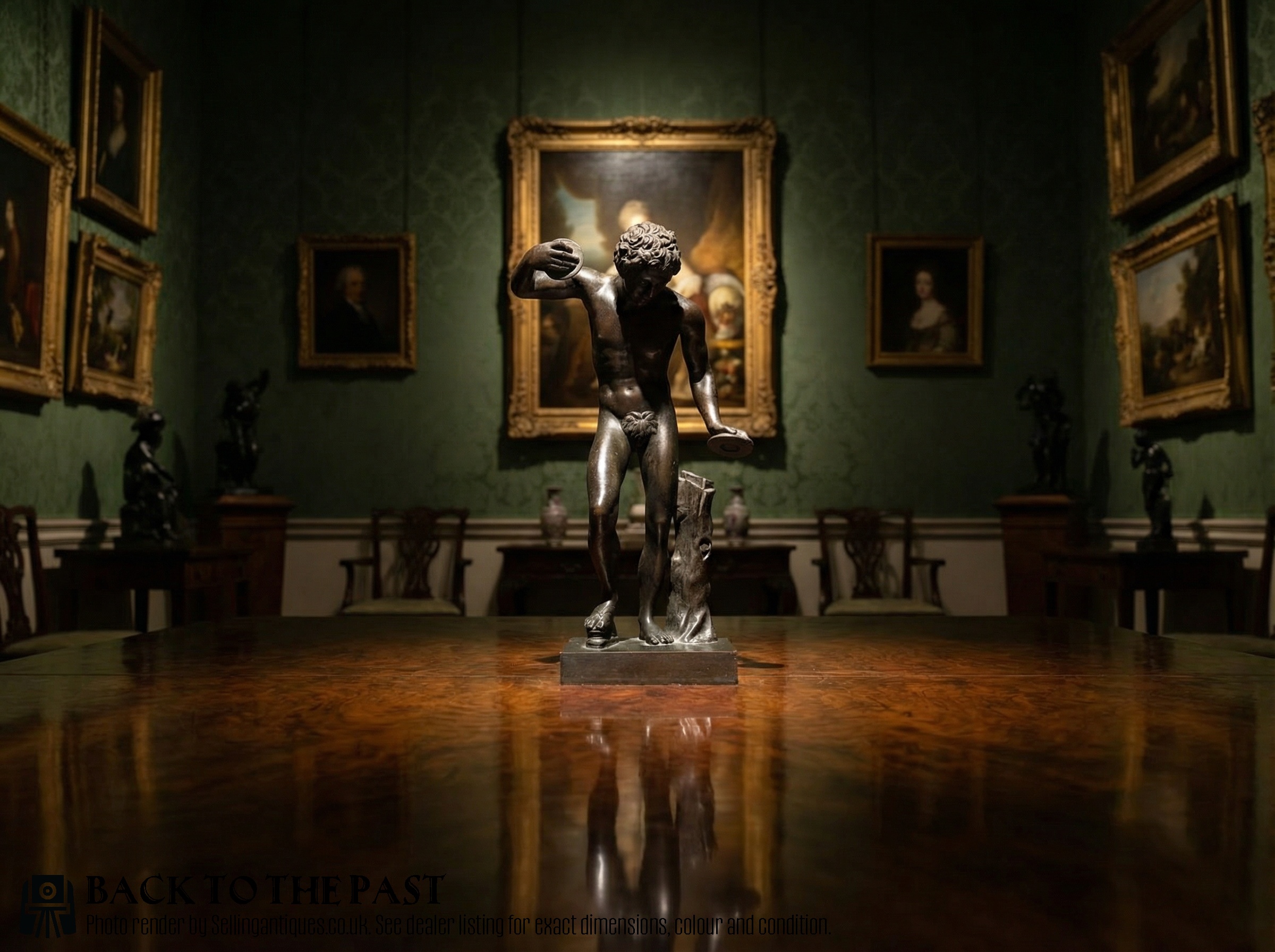
A bronze faun sculpture captures mythological mischief in cast metal, bringing classical antiquity straight into a nineteenth-century interior.
Bronze Faun Sculpture
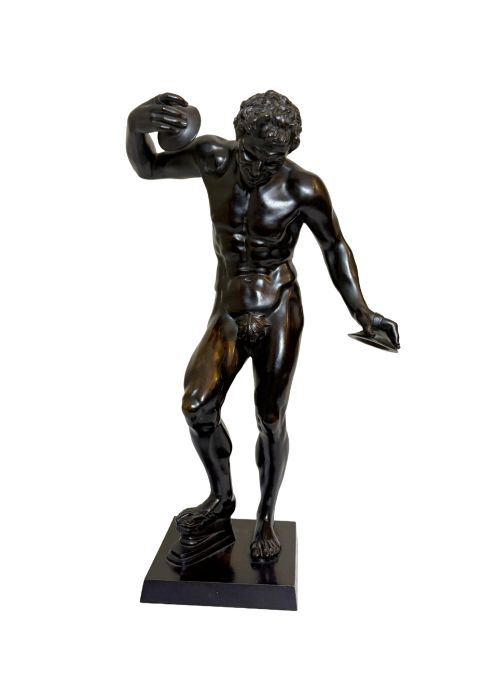
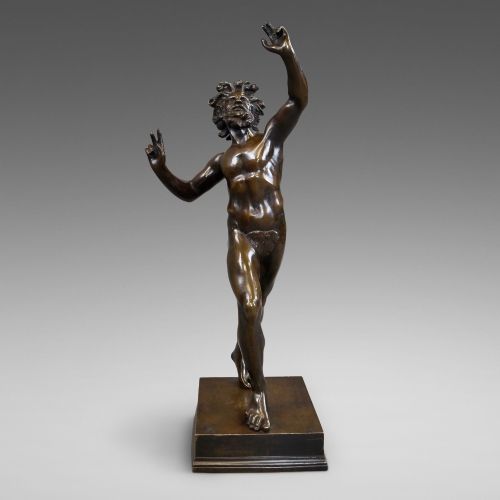
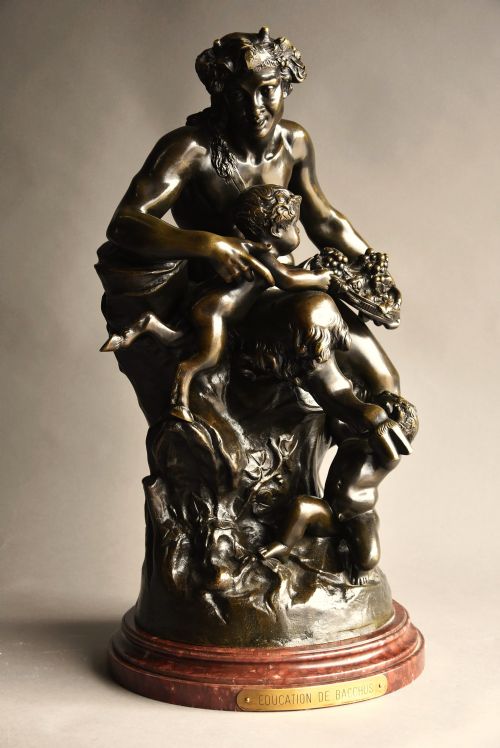
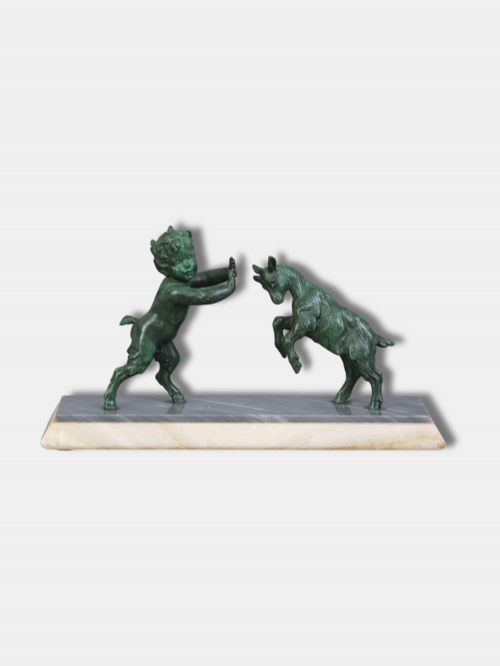
When you search for a bronze faun sculpture, you encounter small-scale figures modelled on ancient Roman discoveries from sites like Pompeii. These pieces include dancing fauns with cymbals, figures with goats, and depictions of Bacchus or Pan playing pipes.
The versions you meet most frequently on this page belong to the nineteenth century, particularly as Grand Tour souvenirs brought back from Italy by travellers. They appear in varied sizes, often cast as reductions of famous antiquities.
Alongside solid bronze, you find related forms in plaster and stone, reflecting the classical revival tastes of the period. French and Italian foundries dominate the selection, showing distinct regional approaches to patination and finish.
How they were made
Foundries utilised traditional metal-casting methods to shape the bronze, often finishing the surface with dark patination, verdigris, or green tones. Many pieces rely on marble bases to support the weight of the metal figure and provide a classical plinth.
Sculptors worked after antique models, producing careful reductions that captured the dynamic movement of the original excavations. Artisans applied patinas by hand, meaning the surface colour varies significantly from rich brown to mottled green.
Bronze Faun Sculpture Retail Price Guide 2026
Typical asking prices for bronze faun sculpture among the pieces listed under this phrase on Sellingantiques today, from the lower quarter to the upper quarter. They describe what is for sale here now, not the wider market.
Several dancing fauns are caught mid-clash with their cymbals, frozen in eternal mythological revelry.
What varies in quality
The crispness of the chasing determines how well muscle definition, hair texture, and facial expressions emerge from the cast. Finer examples retain sharp details in the fingers, cymbals, and drapery without softening from repeated moulding.
The richness and depth of the patination set superior castings apart from simpler metalwork. A well-applied finish mimics ancient patinas convincingly, whereas lesser pieces display flat or uniform colouration.
Emile Carlier·Augusto Rivalta·Duchemin
The Bronze Faun Sculpture Glossary
- Grand Tour
- A traditional travel itinerary through Europe undertaken by upper-class men in the eighteenth and nineteenth centuries. Souvenirs purchased along the way included bronze reductions of classical antiquities.
- Patina
- The chemical or natural surface colouration developed on bronze over time or applied intentionally by the foundry. Different chemical treatments produce dark brown, black, or green verdigris finishes.
- Reduction
- A scale copy made smaller than the original antique sculpture. These smaller casts allowed collectors to display famous museum pieces in private homes.
- Neoclassical
- An artistic movement drawing inspiration from the classical art and culture of ancient Greece and Rome. This style heavily influenced nineteenth-century sculpture and interior decoration.
Bronze Faun Sculpture: Frequently Asked Questions
Where were these sculptures made?
The pieces originate primarily from French and Italian foundries responding to the Victorian appetite for classical antiquities.
Italian workshops specialised in souvenirs for travellers, while French foundries produced highly detailed decorative bronzes.
What is a Grand Tour souvenir?
Travellers on educational European journeys collected small bronze sculptures to commemorate their visits to archaeological sites.
These reductions allowed collectors to bring museum-scale masterworks into domestic settings.
Why do some fauns have green patinas?
Foundries applied chemical treatments to mimic the aged appearance of buried archaeological bronzes.
Verdigris and green finishes evoke the look of ancient metal exposed to soil and moisture over centuries.
How do I display a bronze faun?
These sculptures suit tabletops, mantelpieces, and dedicated display cabinets where light catches the metallic surface.
Many examples feature integrated marble bases designed for stable placement on wooden furniture.