
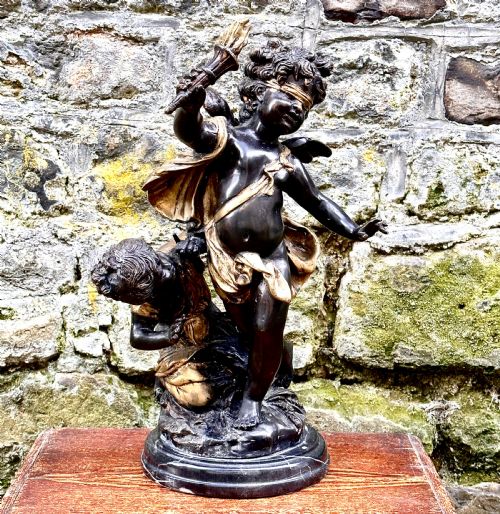
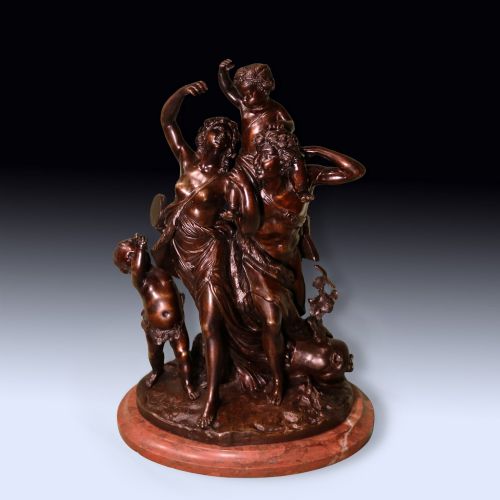
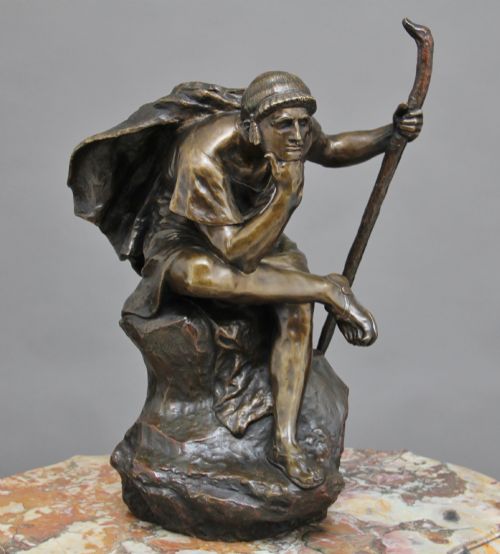
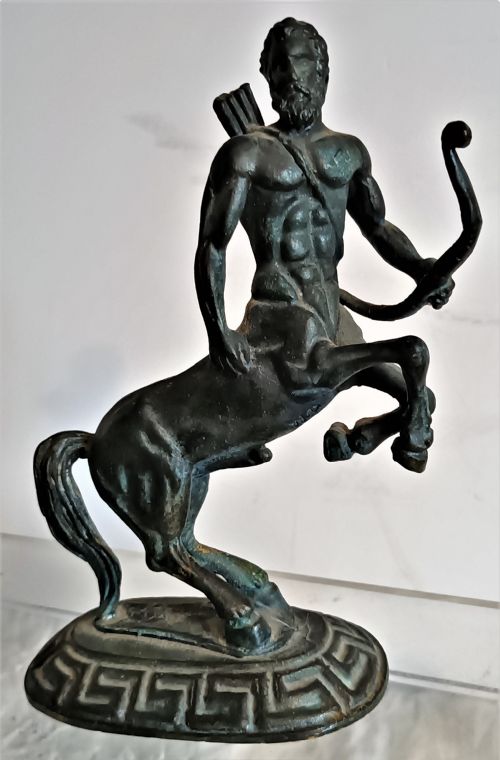


Classical Mythological Statue
When you handle a classical mythological statue, you hold a tangible piece of antiquity reimagined through bronze, marble, and porcelain by later European makers.
Classical Mythological Statue
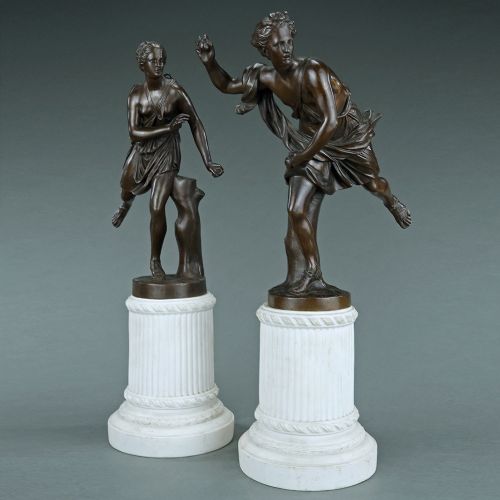
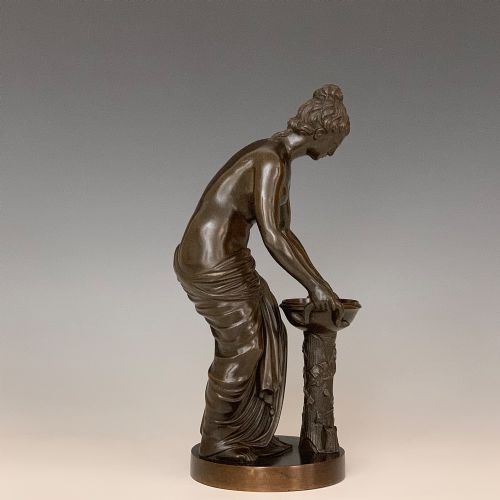
A classical mythological statue brings figures from ancient Greco-Roman lore into domestic interiors, spanning deities, nymphs, and legendary heroes. The pieces meeting this description range from intimate Grand Tour souvenirs to substantial parlor bronzes.
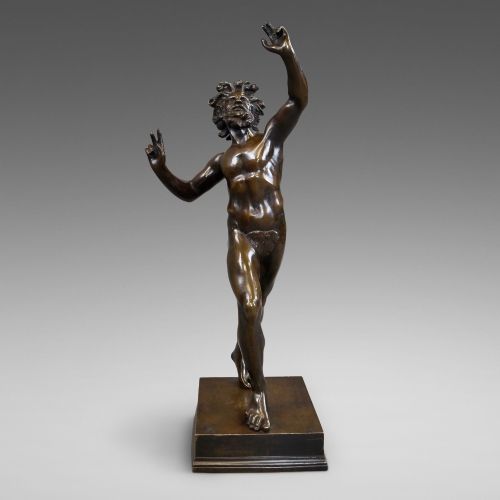
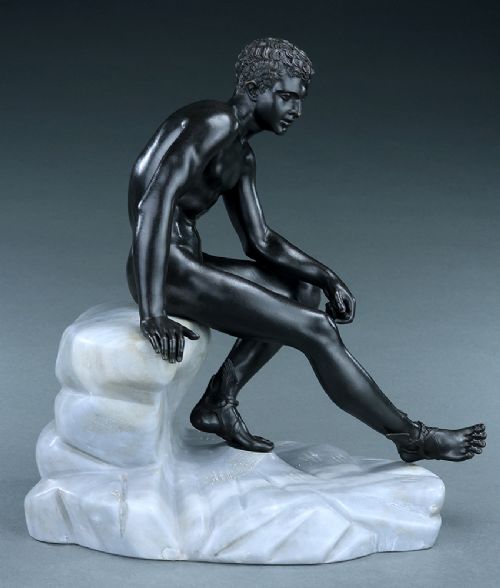
Most examples originate in the nineteenth century, drawing heavily on Neoclassical and Victorian classical revival aesthetics. Makers frequently recast celebrated museum antiquities or reinterpret Renaissance masters like Giambologna and Clodion.
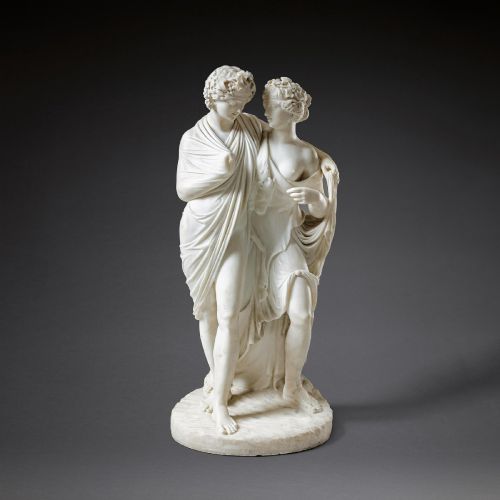
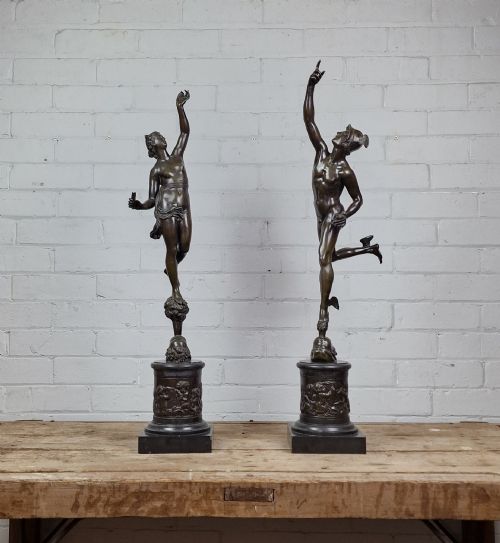
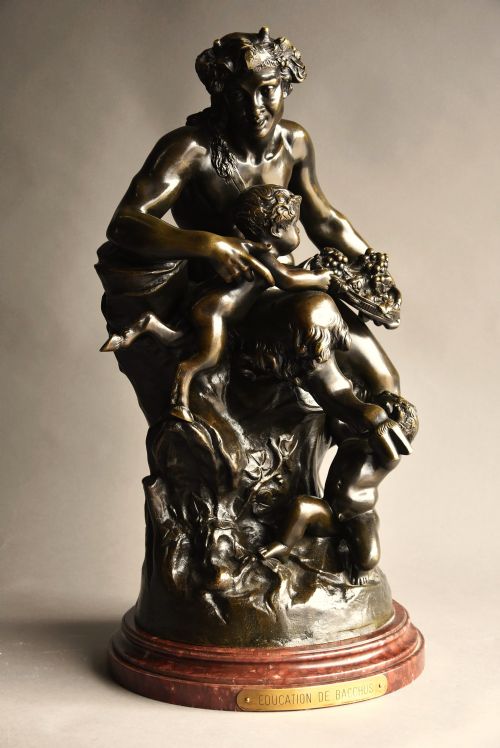
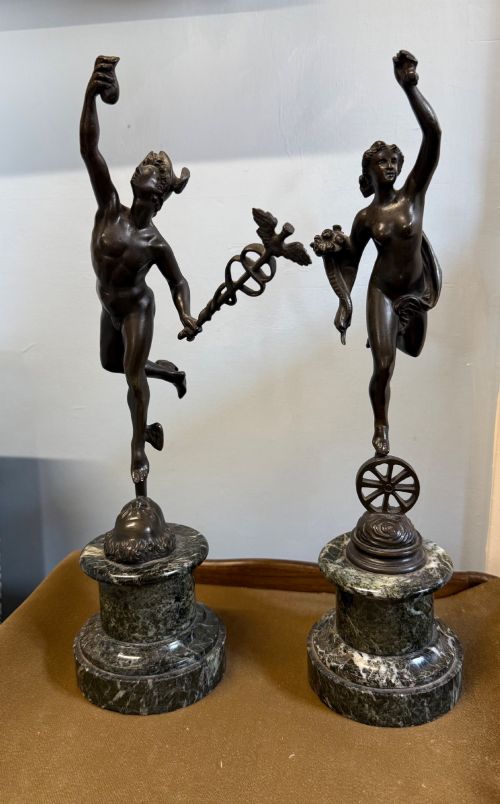
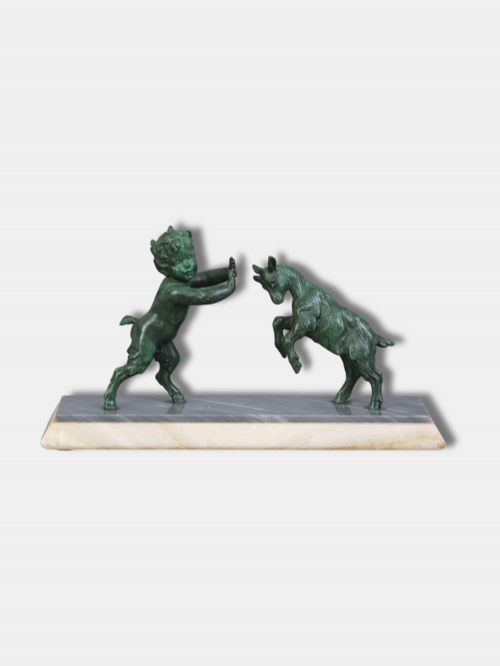
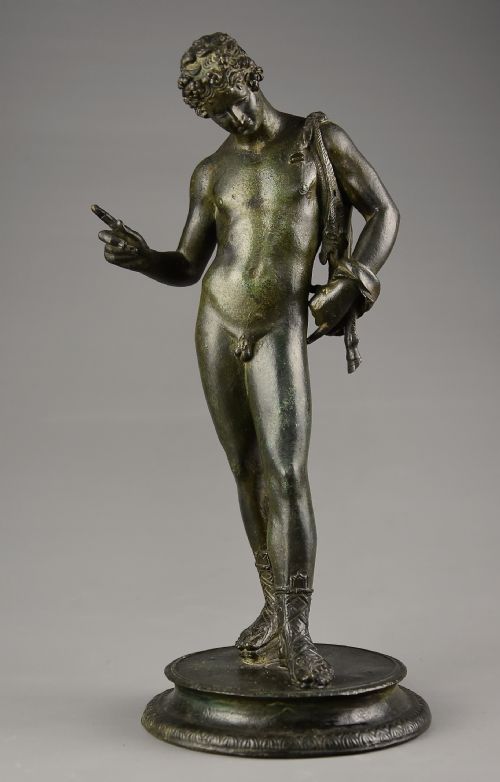
Forms vary from single figures such as Mercury or Narcissus to complex figure groups depicting Bacchus, Ariadne, or the abduction of a Sabine woman. Collectors encounter these works executed in patinated bronze, carved marble, and glazed porcelain.
Materials and methods
Foundries utilised the lost-wax casting method for bronze subjects, allowing intricate musculature and drapery to emerge before applying dark, green, or gilt patination. Marble carvers worked solid stone blocks to achieve smooth contours on figures like Hercules and Venus.
Ceramic workshops moulded porcelain bodies, incorporating enamel decoration and gold leaf accents to produce detailed figurines in the manner of Derby and Chelsea. These materials determine the weight, texture, and visual gravity of each subject.
Listings feature nineteenth-century bronze and marble works alongside eighteenth-century porcelain figures depicting deities.
Evaluating the craftsmanship
Quality rests in the crispness of the chase work on bronze surfaces and the precision of anatomical rendering compared against the ancient prototypes. Superior castings retain sharp facial expressions and delicate accessory details without softness.
Marble groups separate themselves through the depth of the undercutting and the fluidity of the polished stone. Porcelain examples depend upon clean enamel application and unblemished firing.
Barbedienne·Carlo Albacini·Claude Michel Clodian·Emile Carlier·Antonio Canova·Auguste Moreau·Giambologna·Augusto Rivalta·Albert Hussmann
The Classical Mythological Statue Glossary
- Grand Tour
- A traditional trip through Europe undertaken by upper-class scholars, producing demand for bronze and marble souvenirs of classical sculpture. These portable pieces replicated famous Italian antiquities for home display.
- Lost-wax casting
- A metalworking process where a molten metal is poured into a mould that has been created by means of a wax model. This technique permits high fidelity to complex sculptural forms.
- Patination
- The surface coloration achieved naturally over time or artificially through chemical treatments applied to bronze. It enhances the visual depth of shadows and highlights on musculature.
- Neoclassical
- An artistic movement drawing inspiration from the art and culture of classical antiquity. It prioritises restraint, heroic proportions, and mythological themes.
- Terracotta
- Unglazed or glazed fired clay used for sculptural models and finished figures. It offers a warm reddish-brown tone favored by modellers for expressive studies.
Classical Mythological Statue: Frequently Asked Questions
What are Grand Tour bronzes?
Grand Tour bronzes are small-scale souvenir sculptures purchased by travellers visiting European cultural sites during the eighteenth and nineteenth centuries. They provided collectors with accurate miniature copies of famous Roman and Greek antiquities.
These pieces typically feature dark patination and rest on marble plinths designed for library tables and cabinets.
How do I identify mythological subjects?
Subjects are identified through specific attributes held by the figures, such as Mercury's winged sandals or Bacchus accompanied by grapes and panthers. Consulting classical literature helps connect each sculptural pose to its specific legend.
Inscribed titles on bases or archival foundry marks also clarify the narrative depicted.
Where were porcelain figures made?
Porcelain figures were produced by historic factories including Derby, Chelsea, and continental potteries such as Samson in Paris. These manufactories frequently drew inspiration from earlier classical models.
Base marks and paste composition help distinguish between eighteenth-century originals and later revival pieces.
How should I display heavy marble statues?
Heavy marble statues require stable, level surfaces capable of supporting substantial stone weight without shifting. Placing them away from direct heat sources prevents thermal stress on the material.
Ensure pedestals are anchored securely if placed in high-traffic interior spaces.
Are bronze patinas original?
Original patinas show consistent wear and chemical ageing appropriate to the nineteenth-century production period. Dark brown, green, and gilt finishes were applied deliberately by the foundry to accentuate sculptural relief.
Avoid aggressive cleaning methods that strip away these historic surface layers.