



19th Century Bronze Reduction
These pieces of 19th century bronze reduction bring classical antiquity and Renaissance masterpieces into domestic interiors through skillful scale reduction.
19th Century Bronze Reduction
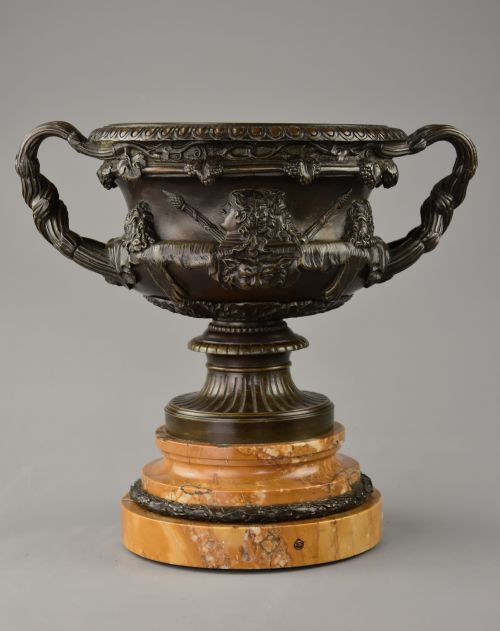
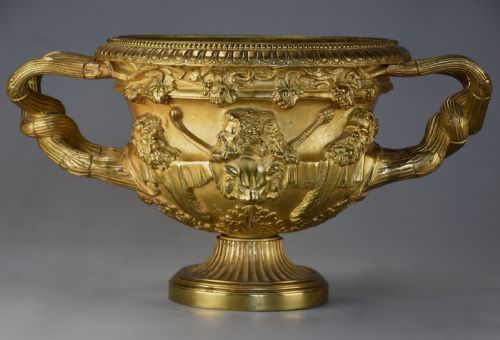
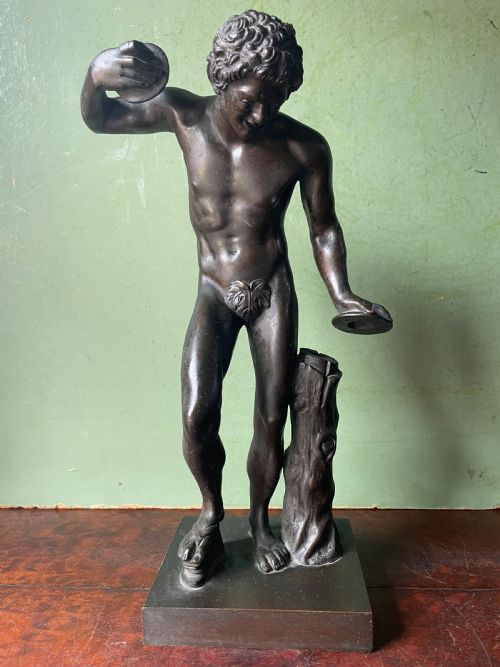
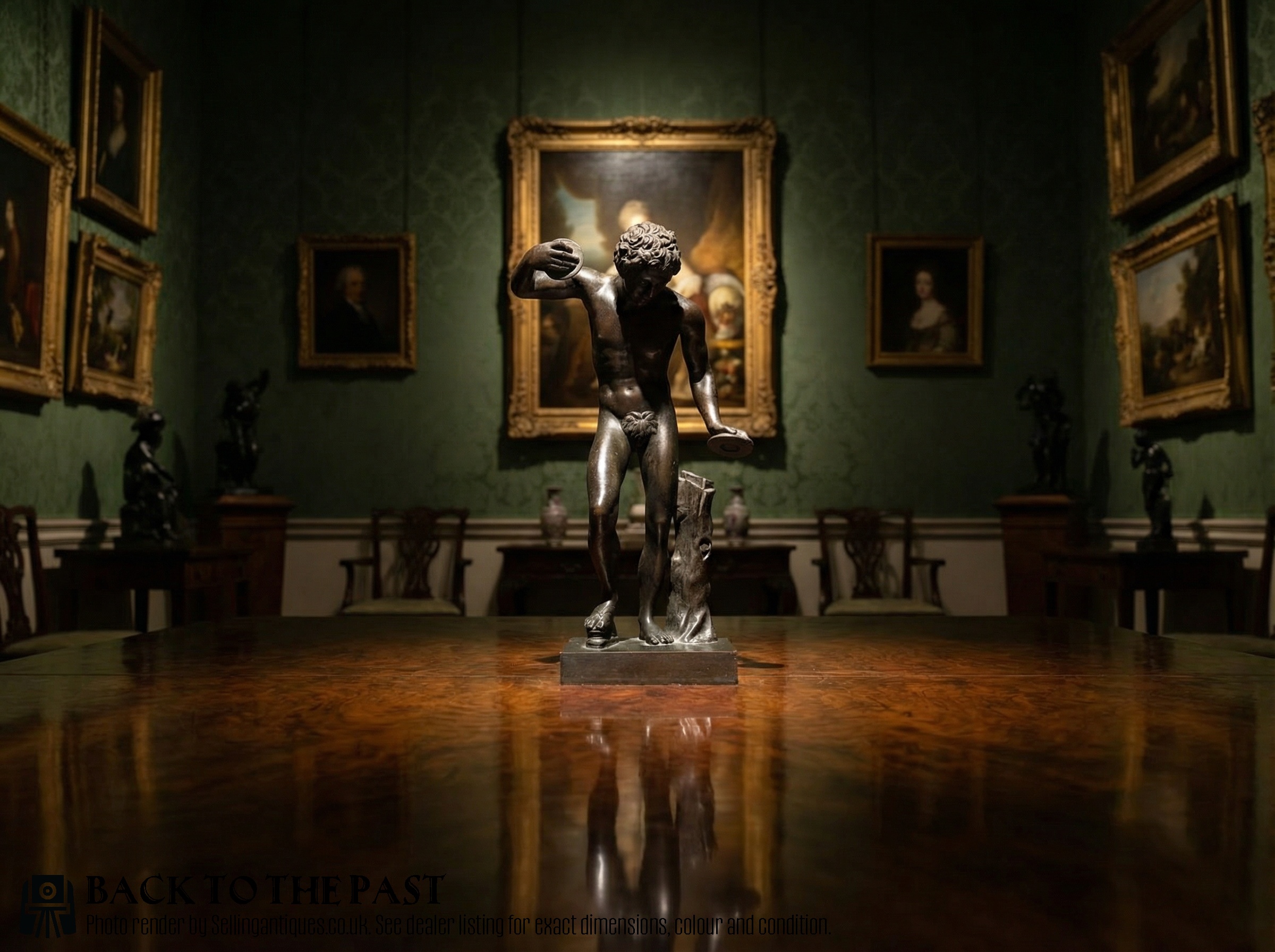
A 19th century bronze reduction translates monumental sculptures and ancient vases into smaller cabinet or mantelpiece formats. When searching for a 19th century bronze reduction, collectors encounter works derived from classical Greek and Roman antiquities as well as French Baroque sculpture. These include reductions of famous pieces such as the Warwick Vase, the Albani Vase, the Venus de Milo, the Dancing Faun, and the Dying Gaul.
Most examples originate from Grand Tour travels through Italy or from French foundries producing souvenir bronzes and academic copies. The forms span decorative urns, ornamental urns, sculptures, and statues. They capture the grand scale of public monuments and museum collections in a portable domestic size.
The aesthetic is distinctly Neoclassical, Grand Tour, and French Baroque in style, reflecting nineteenth-century enthusiasm for classical archaeology. Pieces often stand upon marble bases or incorporate gilt bronze and ormolu details. They served as scholarly souvenirs for educated travellers and refined ornaments for period drawing rooms.
What Varies In Quality
The fidelity of the reduction to the original antique or master sculpture distinguishes standard souvenirs from exceptional works. Finer examples display crisp chisel work on hair, drapery, and anatomical details that lesser casts blur during finishing.
The depth and nuance of the bronze patina, alongside the integration of gilt bronze or ormolu elements, signal superior foundry production. Additionally, the quality and choice of the supporting marble base separates commercial souvenir pieces from masterworks by distinguished makers.
Nineteenth-century travellers frequently packed heavy bronze vases in their luggage alongside laundry to survive rough carriage rides across the Alps.
Ferdinand Barbedienne·Antoine Coysevox
The 19th Century Bronze Reduction Glossary
- Bronze reduction
- A smaller scale copy of a larger sculpture or vessel, achieved through mechanical pantographic scaling in metal. This technique allowed nineteenth-century foundries to accurately replicate monumental antiquities for private homes.
- Grand Tour
- The traditional journey through France and Italy undertaken by European upper-class young men in the eighteenth and nineteenth centuries to study classical art. Souvenir bronzes purchased during these travels form a major category of nineteenth-century sculpture.
- Patinated bronze
- Metal treated with chemical solutions to produce a specific surface colour and finish, ranging from dark brown to antique green. This treatment protects the metal and simulates the appearance of excavated antiquities.
- Ormolu
- Finely ground high-carat gold applied to a bronze object using a mercury amalgamation process, creating a bright golden surface. It appears frequently on nineteenth-century decorative urns and architectural mounts.
- Neoclassical
- The dominant artistic style from the mid-eighteenth to the nineteenth century, inspired by the art and culture of classical antiquity. It emphasises proportion, restraint, and direct reference to Greek and Roman forms.
19th Century Bronze Reduction: Frequently Asked Questions
What is a bronze reduction?
A bronze reduction is a smaller metal copy of a famous monumental sculpture or ancient vase, scaled down using mechanical instruments during the nineteenth century.
These pieces allowed collectors to own miniature representations of museum masterpieces that otherwise remained inaccessible.
Where were these pieces made?
Most of these bronze reductions were produced in France, particularly in Paris foundries, or in Italy as souvenirs for travellers.
Foundries such as those operating in Rome and Florence catered directly to visitors undertaking the Grand Tour.
How do I display them?
These bronzes suit placement on mantelpieces, desks, bookcases, or dedicated console tables where their detail can be examined closely.
Their substantial weight and often integrated marble bases allow them to stand securely on flat wooden or stone surfaces.
How can I tell periods apart?
Nineteenth-century pieces generally exhibit specific patination styles, mechanical casting precision, and mount types characteristic of the period between eighteen-seventy and eighteen-ninety.
Foundry stamps and signatures, when present, provide direct evidence of the workshop and production era.