

Italian Classical Sculpture
Italian classical sculpture brings the enduring forms of antiquity into private rooms through carved marbles and cast bronzes.
Italian Classical Sculpture
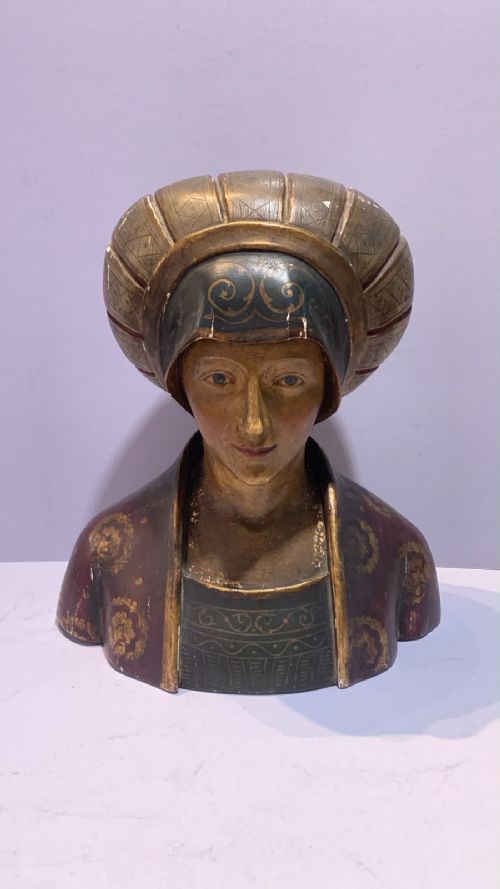
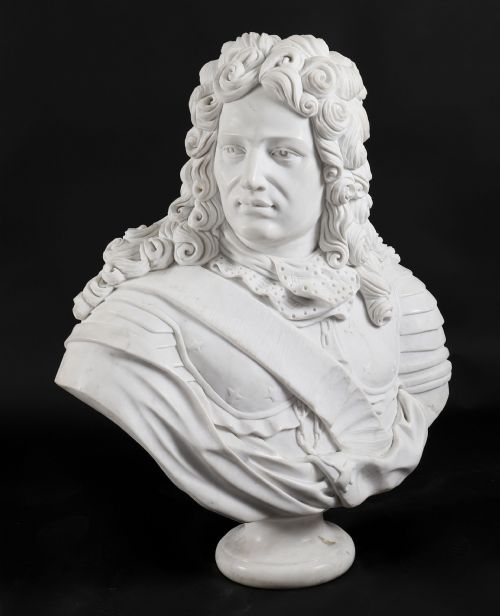
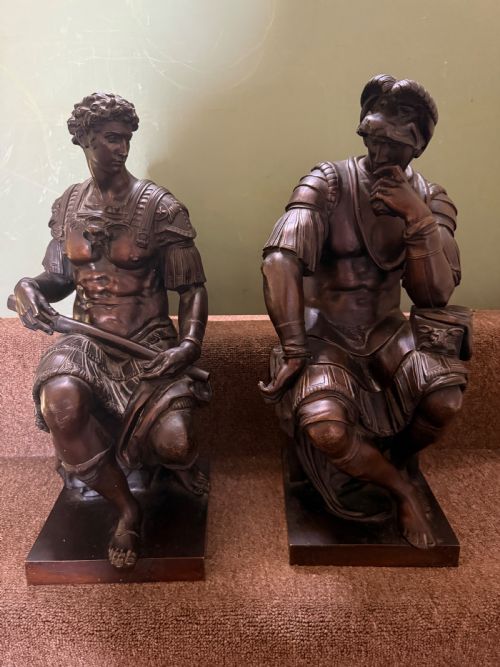
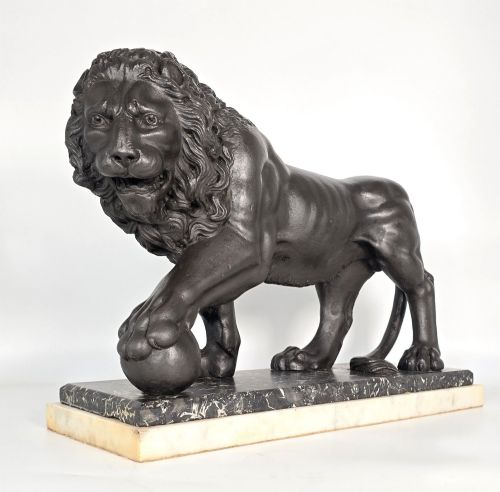
Italian classical sculpture encompasses works inspired by ancient Greek and Roman models, shaped largely during the nineteenth century by the Grand Tour tradition. Buyers encounter marble busts of literary figures, bronze reductions of famous monuments, and carved alabaster figures.
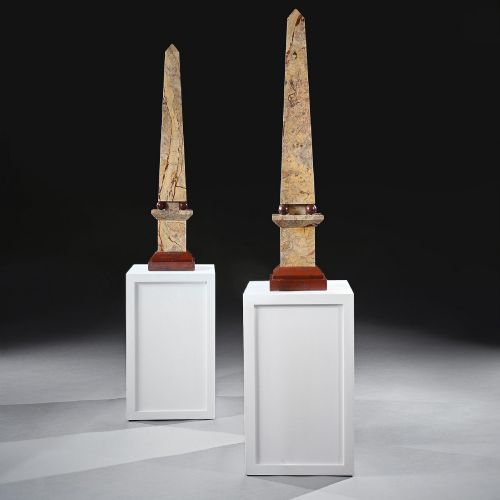
The material record spans the eighteenth, nineteenth, and twentieth centuries, with a heavy concentration in the Victorian period. Pieces range from small souvenir bronzes to monumental carved marble figures and architectural obelisks.
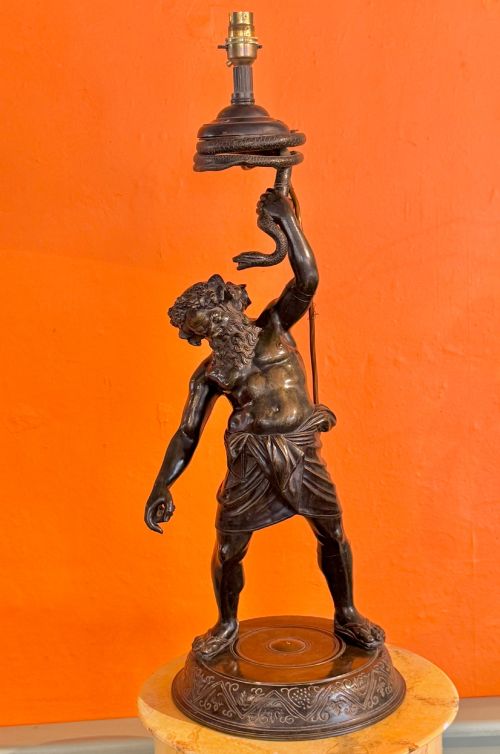
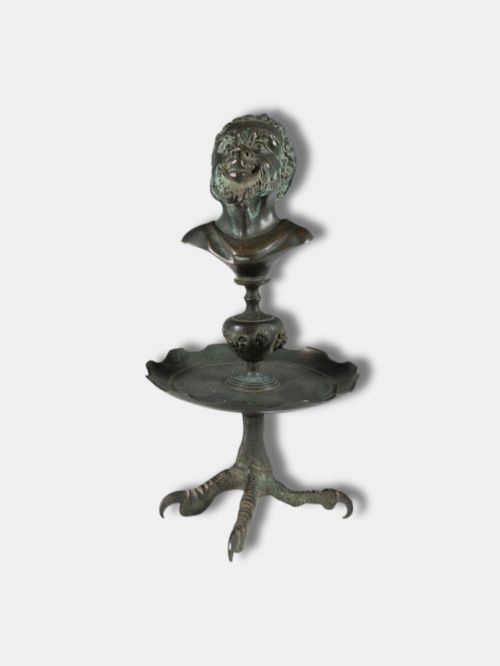
The tradition also includes functional objects such as oil lamps and table lamps incorporating classical motifs. These domestic pieces translate museum antiquities into collectible items for the nineteenth-century library and drawing room.
Materials and technique
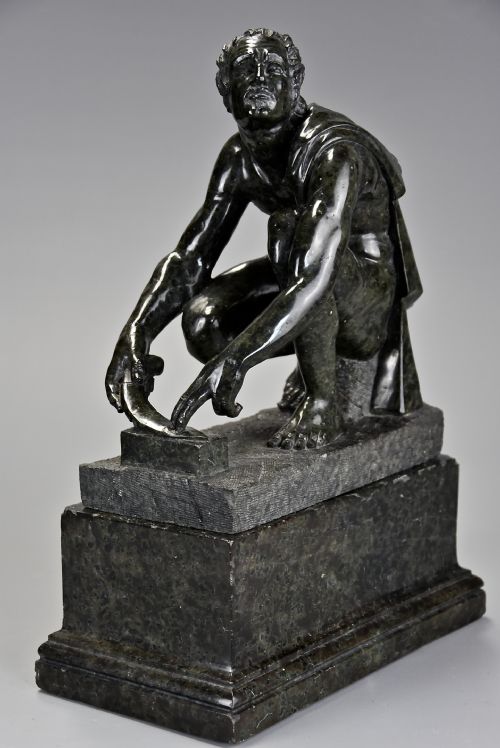
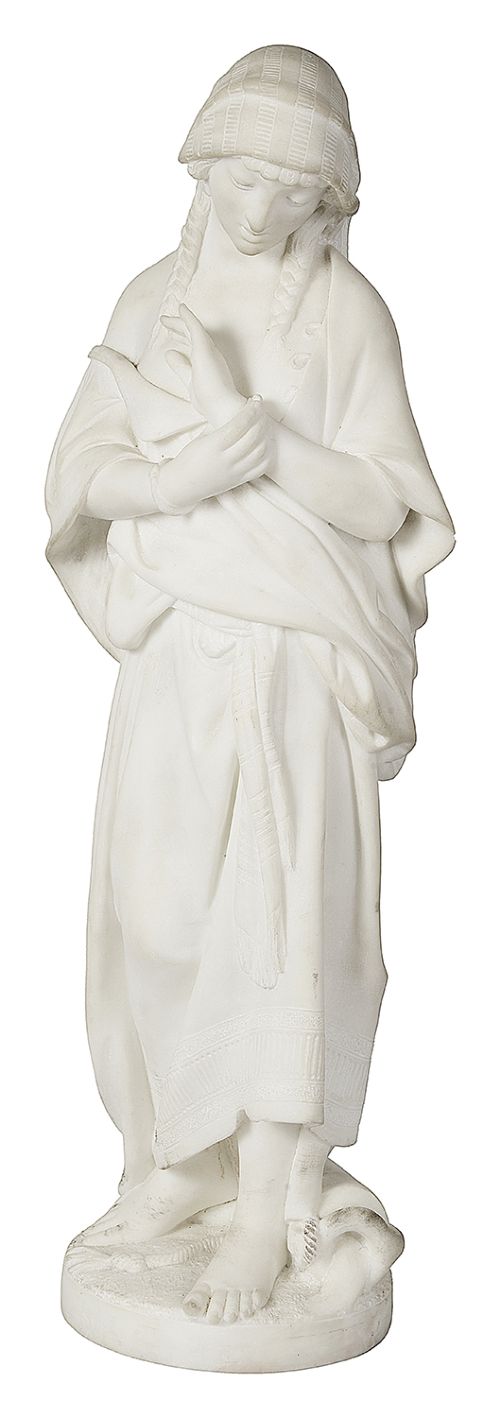
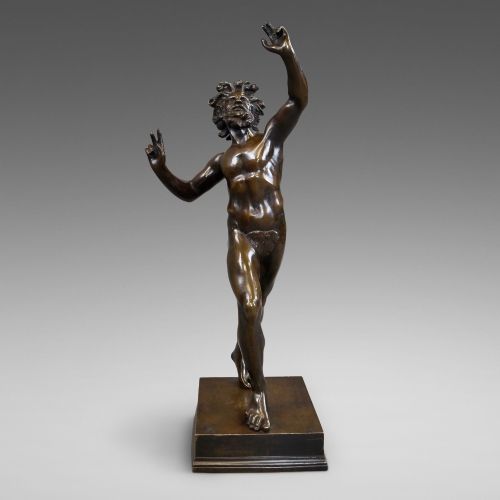
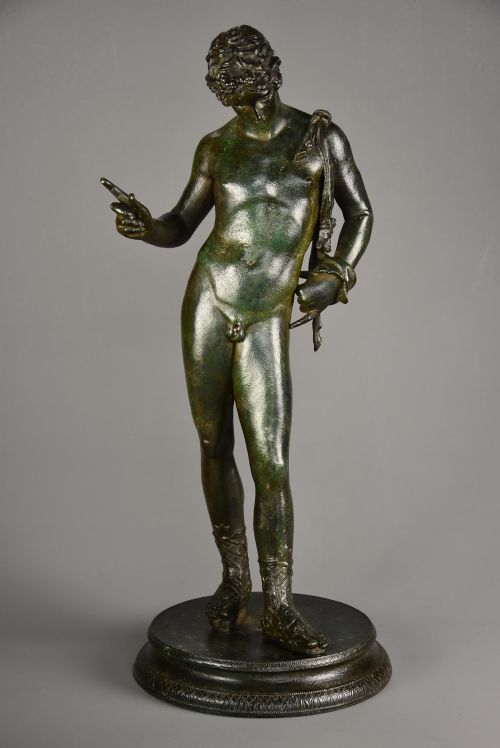
The physical works rely heavily on cast bronze and carved stone, utilising white Carrara marble, variegated decorative marbles, and translucent alabaster. Foundries applied chemical patination to bronze casts to simulate the dark surfaces of ancient excavated metal.
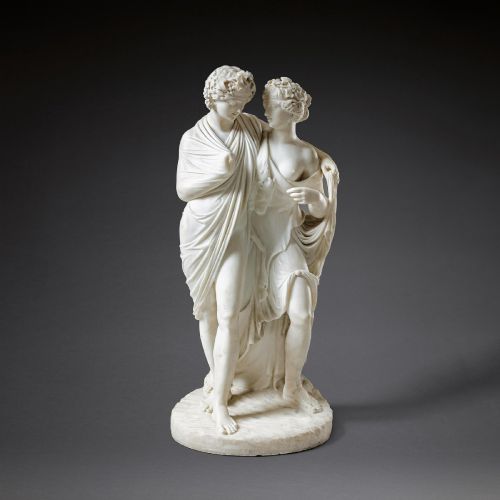
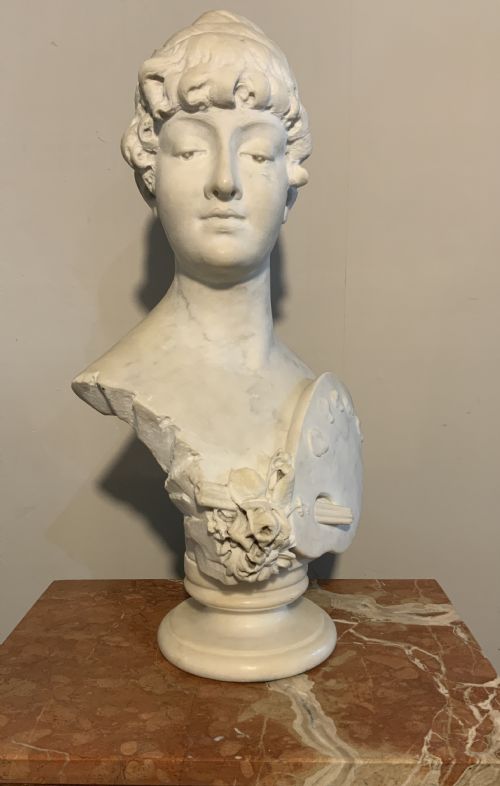
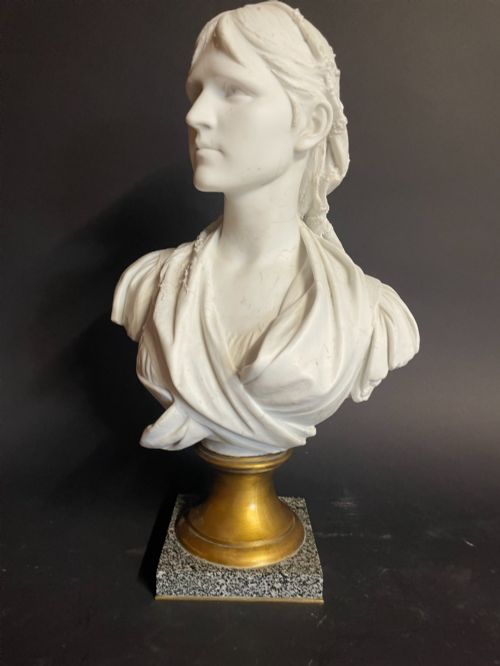
Marble carvers worked from classical precedents, producing detailed reductions and busts mounted on matching plinths or bases. Workshops in Florence, Naples, and Rome employed skilled artisans to translate antique statuary into marketable souvenirs.
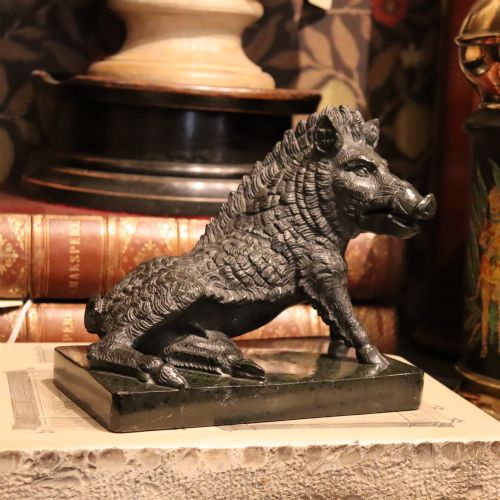
Among the classical deities and literary busts sits a carved serpentine model of the famous Florentine boar.
Judging the work
Quality rests on the crispness of the chisel work in stone and the definition of the chasing in bronze casts. Superior pieces capture the subtle musculature and drapery of the antique originals without losing anatomical proportion.
The choice and execution of the base material also dictate standing, with integrated multi-coloured marble plinths marking out the more ambitious nineteenth-century productions.
Carlo Albacini·Barranti·G Amodio Naples·Antonio Canova·Raffaelo Monti·R Mattei
The Italian Classical Sculpture Glossary
- Grand Tour
- A traditional trip through Europe undertaken by upper-class young men in the eighteenth and nineteenth centuries to study the arts, leading to a demand for souvenir bronzes and marbles.
- Patination
- The surface coloration applied to bronze sculpture, which can range from bright green verdigris to deep dark brown tones.
- Carrara marble
- A type of white or blue-grey marble mined from the city of Carrara in Tuscany, widely favored for nineteenth-century classical busts and statues.
- Verdo prato
- A dark green decorative marble used extensively in Italian architectural elements and sculptural bases.
- Rosso antico
- A deep red antique marble prized by stonemasons for obelisks and decorative plaques.
Italian Classical Sculpture: Frequently Asked Questions
What is a Grand Tour sculpture?
A Grand Tour sculpture is a souvenir bronze or carved marble produced in Italy during the nineteenth century for travellers visiting classical sites. These pieces replicated famous antiquities found in Italian museums and excavations.
They allowed collectors to bring the aesthetic of ancient Rome and Greece back to their home libraries and drawing rooms.
How do I distinguish bronze from patinated bronze?
Patinated bronze refers to metal that has been chemically treated on the surface to produce a specific colour, such as the dark green finishes seen on nineteenth-century souvenir figures. The underlying metal remains copper alloy.
The patination mimics the appearance of buried antiquities or aged metal surfaces.
What marble types are common?
White Carrara marble appears frequently in nineteenth-century busts and figures, valued for its fine grain. Coloured stones such as Portasanta, Rosso Antico, and Bardiglio also feature prominently in architectural models and obelisks.
These varied stones added rich colour and contrast to classical subjects.
Where were these pieces made?
The works originated in Italian workshops located in artistic centres such as Florence, Naples, and Rome. Local artisans specialised in carving alabaster and marble or casting bronze to supply the foreign tourist market.
Specific foundries and studios often signed their bases or featured distinct regional casting styles.