
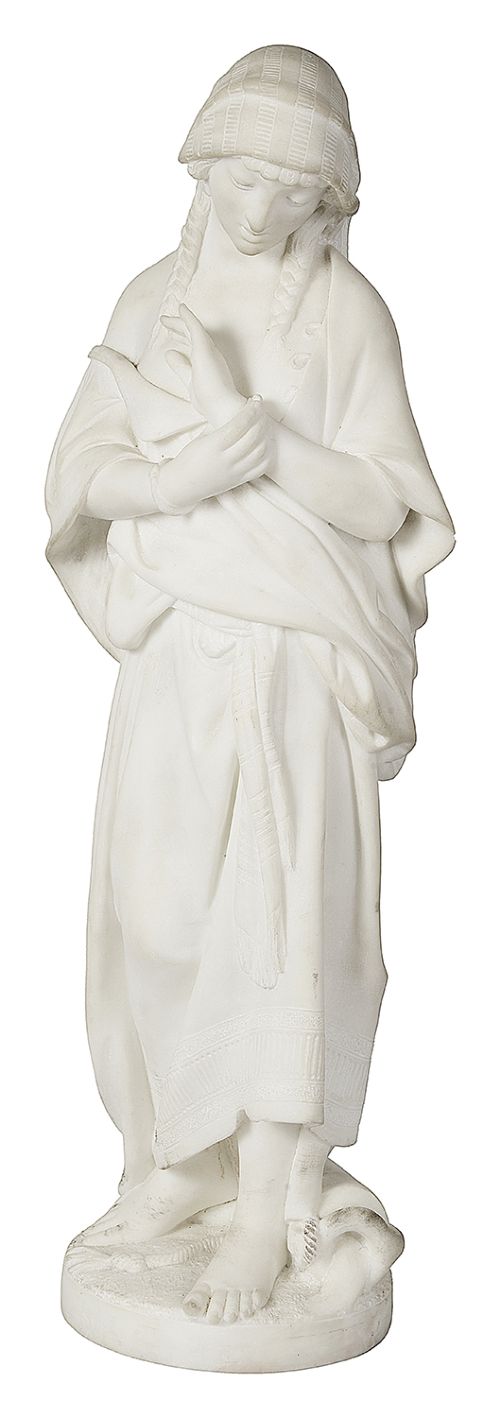

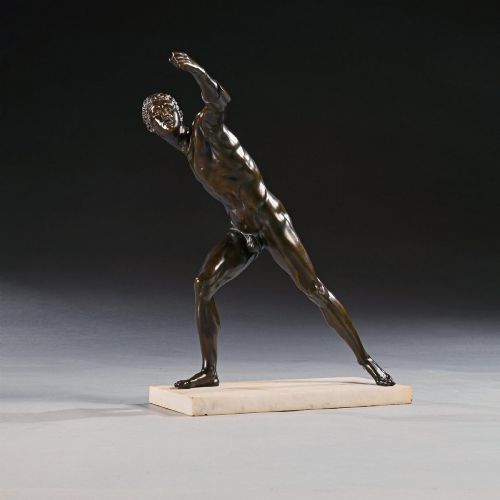
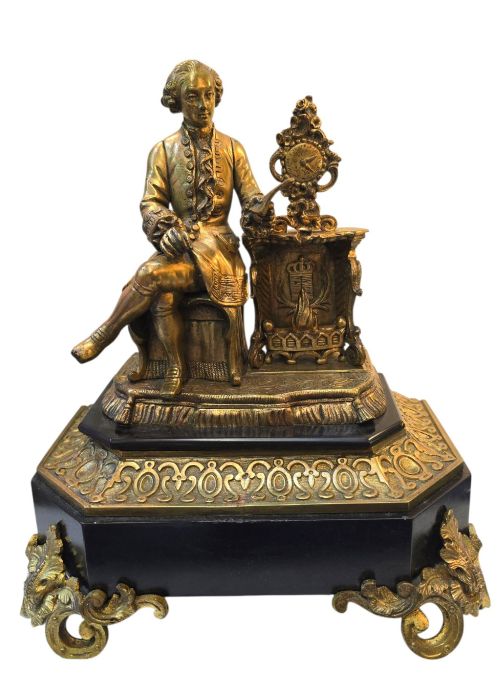
19th Century Marble Statue
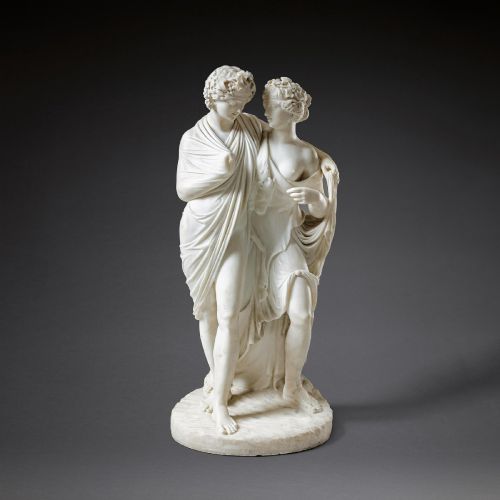
A 19th century marble statue brings neoclassical elegance and classical mythology directly into your interior through enduring carved stone.
19th Century Marble Statue
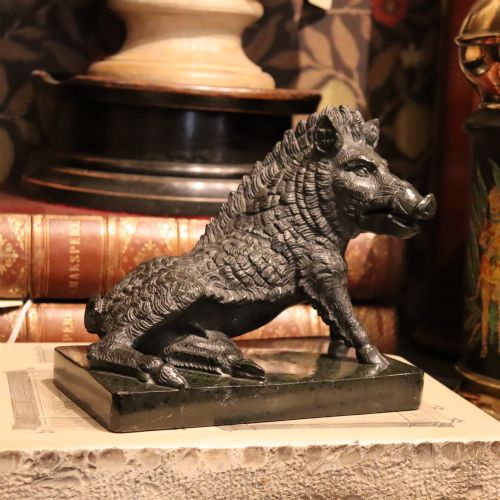
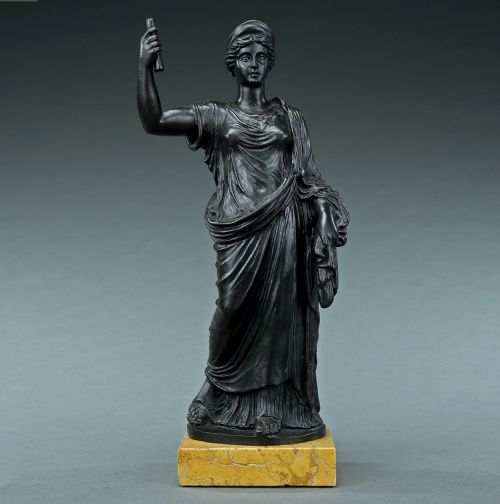
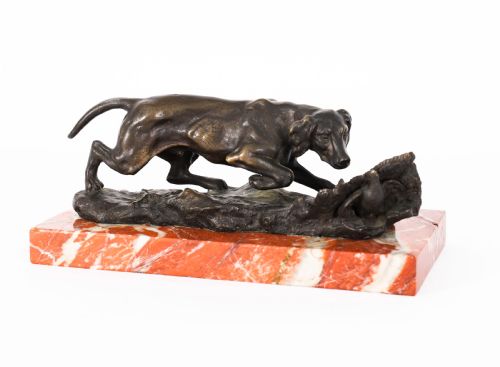
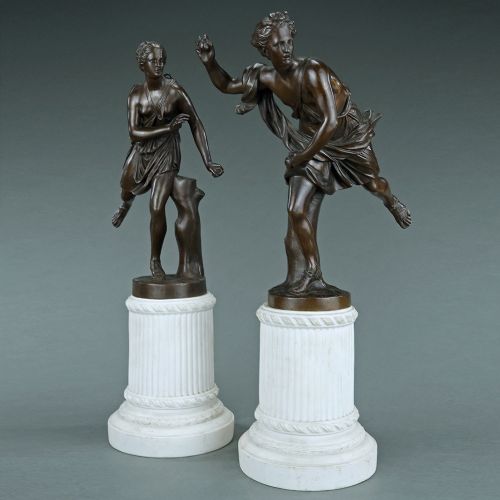
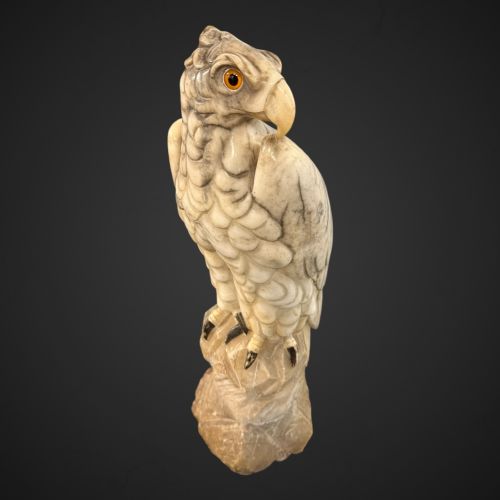
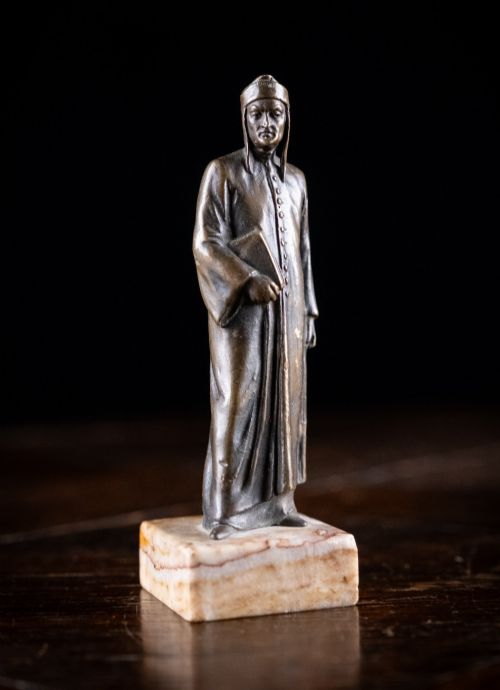
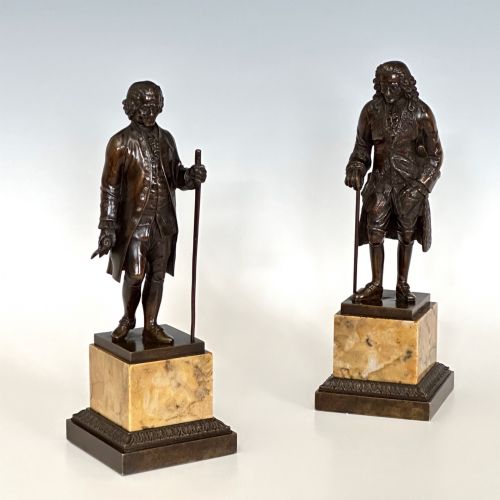
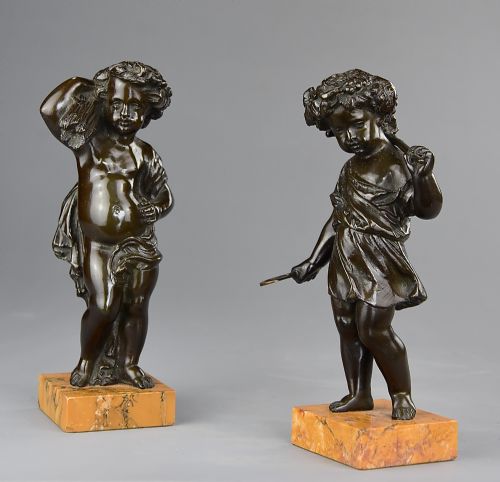
Grand tour souvenirs dominate the selection, capturing the architectural and sculptural monuments of Rome and Florence for nineteenth-century travellers. Alongside these tourist pieces stand animalier subjects, allegorical putti, and direct copies of antiquity attributed to known European carvers. Most examples combine carved stone elements with cast bronze mounts or rest upon fitted mineral plinths.
Materials and carving techniques
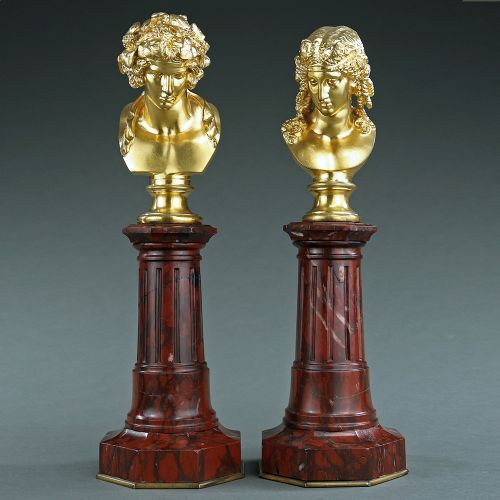
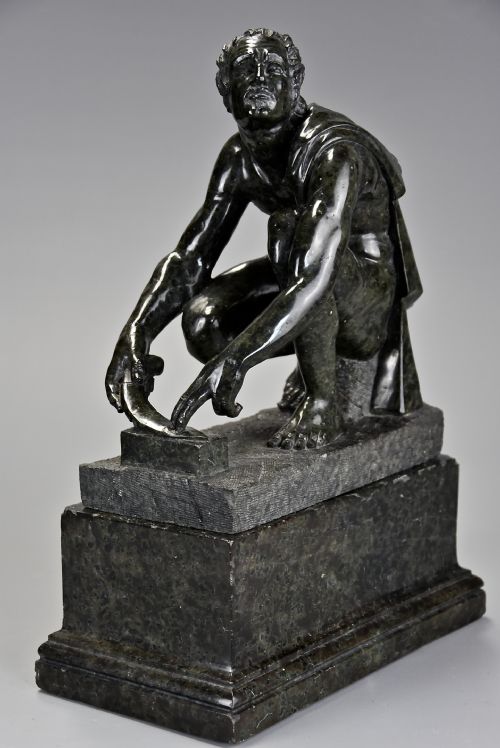
Carvers shaped these pieces using fine-grained Carrara marble, serpentine, and fossil limestone, often mounting the figures on contrasting green marble or slate plinths. Many sculptural groups integrate cast bronze or gilt bronze components alongside the carved stone to render drapery, weapons, and architectural bases.
Sculptors employed pointing machines to transfer proportions from plaster models into solid blocks before finishing the surface with chisels, rasps, and abrasive powders. This subtractive method required immense precision, leaving tool marks that reveal the hand of the workshop when examined under raking light.
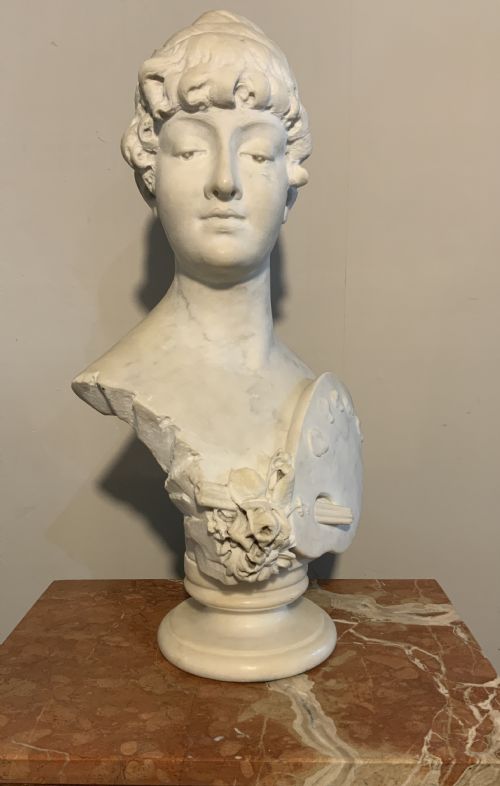
Listings combine white Carrara marble, green serpentine, and bronze to create nineteenth-century figural groups and portrait busts.
Distinguishing quality in nineteenth-century sculpture
The distinction between ordinary workshop production and top-tier sculpture lies in the depth of undercut carving and the anatomical naturalism of the limbs and facial expressions. Master carvers rendered translucent skin textures, flowing hair, and delicate drapery folds that defy the rigidity of the heavy stone.
Signed bases, recorded foundry marks, and documented attributions to notable European sculptors elevate individual pieces above anonymous tourist souvenirs. Furthermore, the selection of flawless marble free from natural fissures dictates the structural integrity and visual continuity of the finished figure.
Carl Kauba·Barbedienne·Carlo Albacini·Claude Michael Clodion·Barranti Florence·Houdon·Eugene Aizelin·J Francis·Antonio Canova·Pierre Jules Mene·Enrico Astorri
The 19th Century Marble Statue Glossary
- Grand Tour
- A traditional trip through Europe undertaken by upper-class young men to absorb classical art and culture. Pieces brought back from these journeys typically include miniature marble and bronze reductions of famous antiquities.
- Animalier
- A nineteenth-century artistic genre focusing on the realistic portrayal of animals, particularly lions, stags, and hounds. Sculptors in this tradition captured the tension of beasts in motion or repose.
- Parian
- A fine-grained porcelain resembling carved marble, developed in Britain during the nineteenth century for affordable figural statuary. Manufacturers utilised this material to replicate classical and contemporary sculptures for domestic interiors.
- Ormolu
- Gilt bronze mounted onto furniture, clocks, and sculptural bases. The technique involves applying a mercury and gold amalgam to cast bronze before firing.
- Bust
- A sculpted representation of a person from the chest or shoulders up. These portrait pieces record historical figures, mythological deities, and private sitters with varying degrees of psychological depth.
19th Century Marble Statue: Frequently Asked Questions
How do I clean marble statues safely?
Dust the stone regularly with a soft, dry microfibre cloth to prevent particulate buildup on carved surfaces. Avoid commercial chemical cleaners, acidic liquids, and excessive water, which can penetrate porous marble veins and cause permanent staining or surface erosion.
For stubborn grime, consult a professional conservator rather than attempting aggressive scrubbing. Maintaining a stable indoor humidity level also protects fragile joints where stone meets bronze or wooden mounts.
Where should I place a heavy marble sculpture?
Position your statue on a sturdy plinth, solid wooden sideboard, or dedicated marble column capable of supporting substantial downward weight. Ensure the supporting surface is perfectly level to distribute the mass evenly across the base and prevent tipping.
Keep the piece away from direct heat sources, open fireplaces, and intense sunlight that might discolour delicate mineral veins over time. High-traffic hallways should be avoided unless the sculpture has a wide, stable footprint away from accidental knocks.
How can I tell a grand tour copy from an ancient original?
Nineteenth-century grand tour copies display machine-assisted precision, nineteenth-century tool marks, and specific mineral bases typical of Victorian workshops. Ancient pieces carry distinct weathering patterns, burial patination, and tool signatures characteristic of classical antiquity.
Examining the underside of the plinth often reveals nineteenth-century assembly methods, modern screw types, or historical dealer labels. The marble type itself frequently matches nineteenth-century quarry output rather than ancient Mediterranean sources.
What is an animalier sculpture?
An animalier sculpture depicts domestic or wild animals with a focus on anatomical accuracy and natural behaviour. These pieces gained immense popularity across Europe during the nineteenth century through the works of specialised bronze and marble artists.
Subjects range from resting lions and hunting dogs to galloping stallions set upon naturalistic rocky bases. Collectors prize these works for their dynamic capture of muscle tension and animal psychology.