

Victorian Marble Sculpture
Victorian marble sculpture brings classical presence into a room, capturing nineteenth-century portraiture and mythological figures carved in stone.
Victorian Marble Sculpture
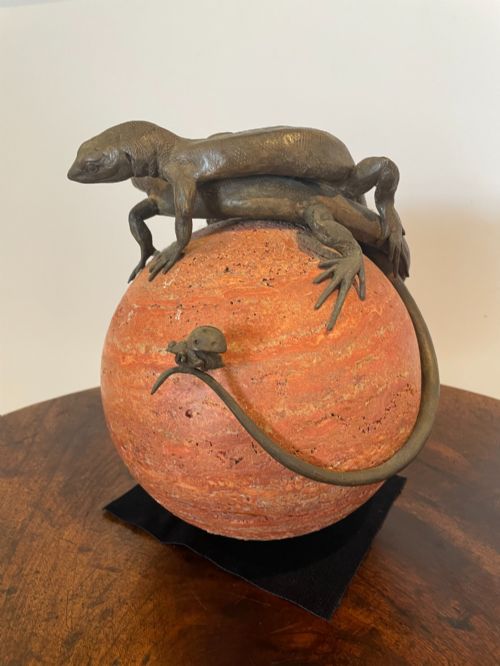
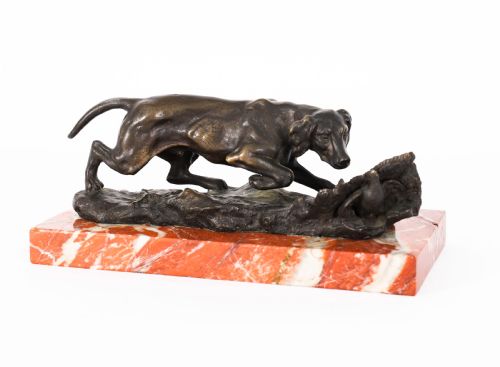
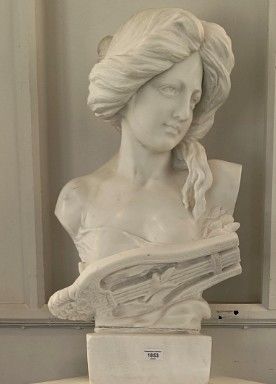
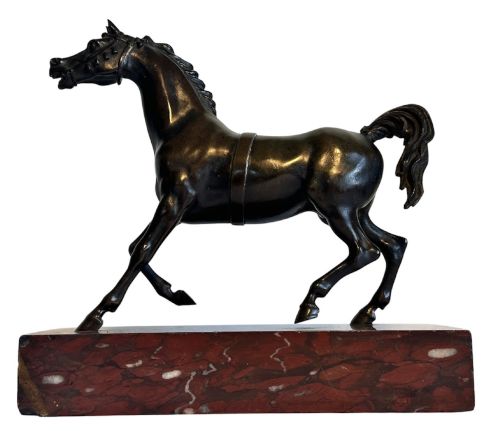
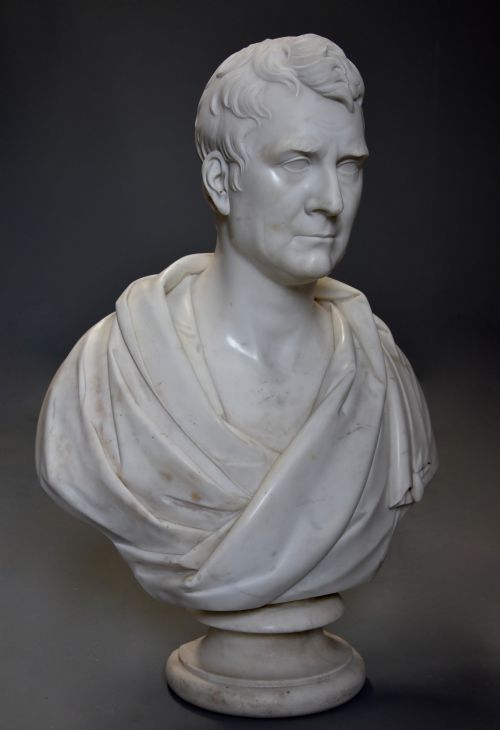
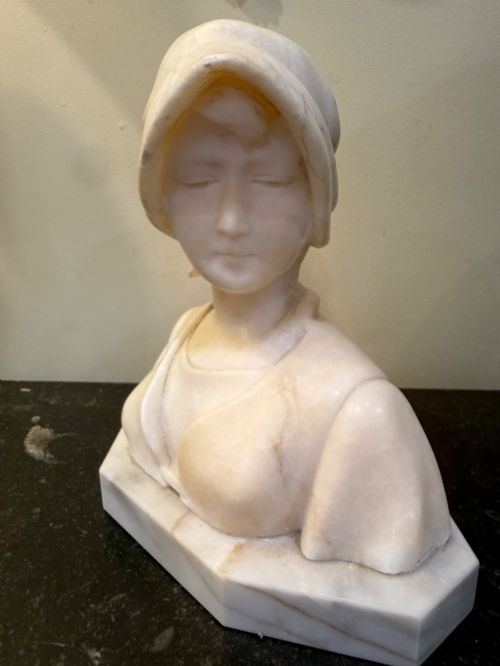
When buyers search for victorian marble sculpture, they encounter carved portrait busts of gentlemen and young women, mythological subjects like the Muses, and animal studies set on stone bases.
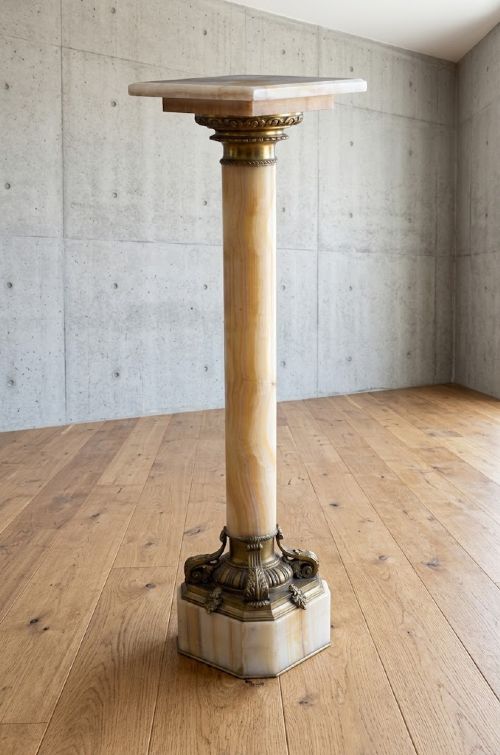
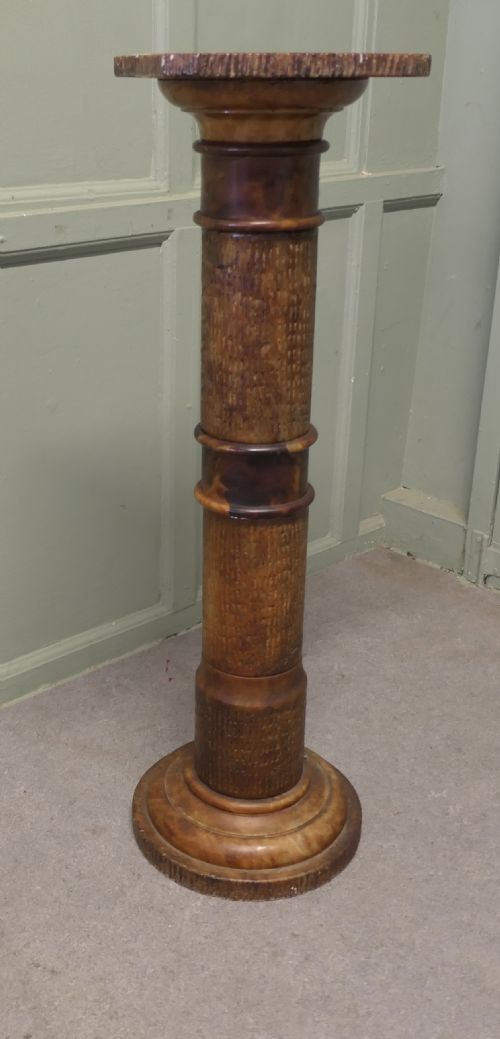
The pieces appearing on this page span the nineteenth century, including works from the eighteen-fifties through to nineteen-hundred, alongside related pedestal columns in onyx, verde antico, and honey-coloured stone.
Originating from British workshops and European studios, these works range from civic portraiture of political figures to Grand Tour decorative pieces.
Materials and Techniques
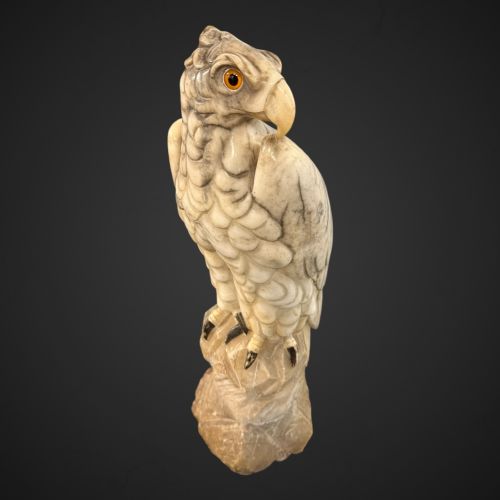
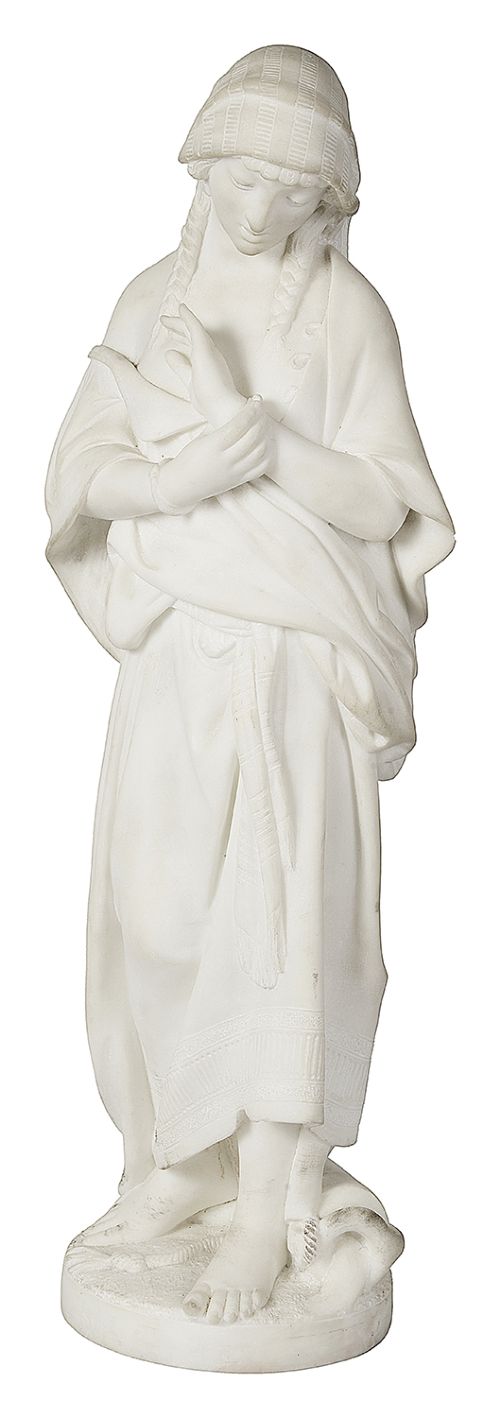
Carvers shaped these pieces primarily from white marble, Carrara marble, and alabaster, frequently mounting them on contrasting bronze, gilt bronze, or marble plinths.
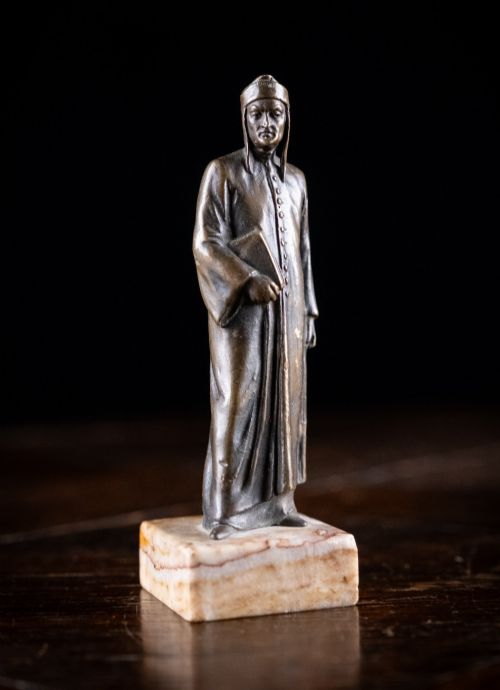
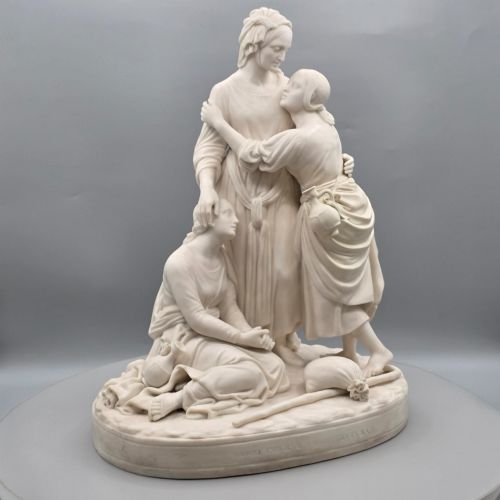
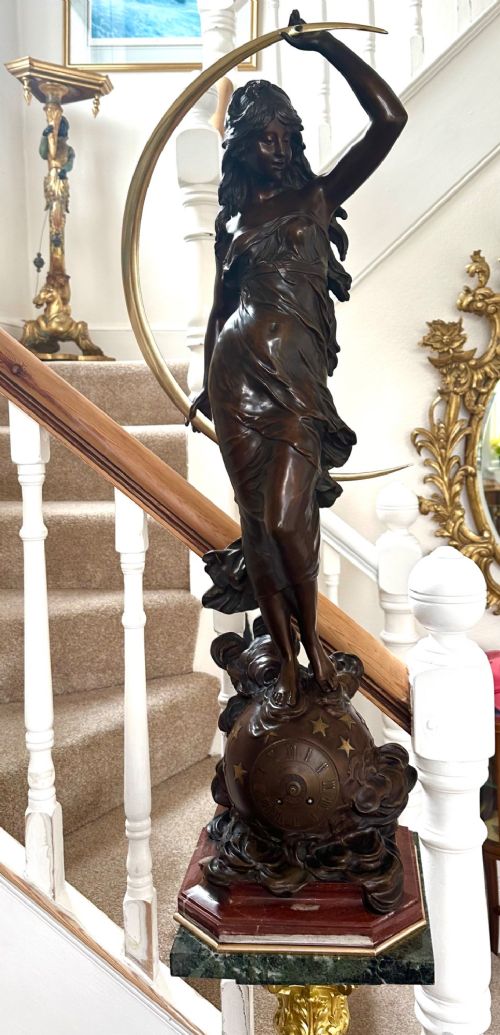
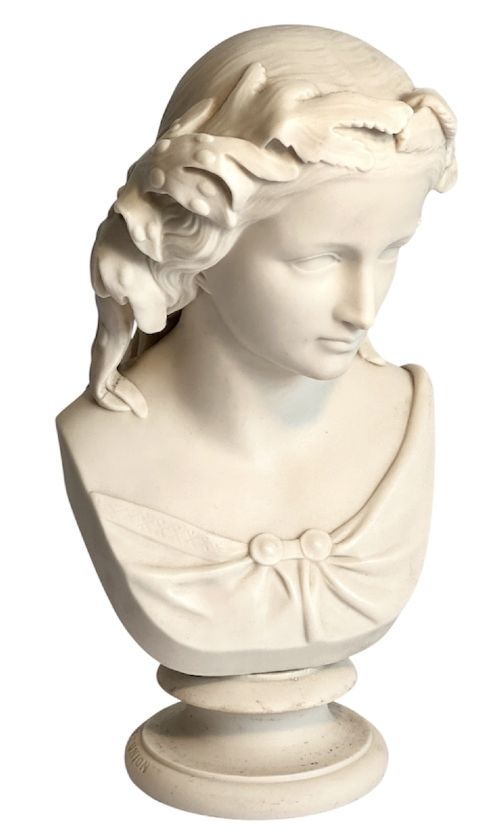
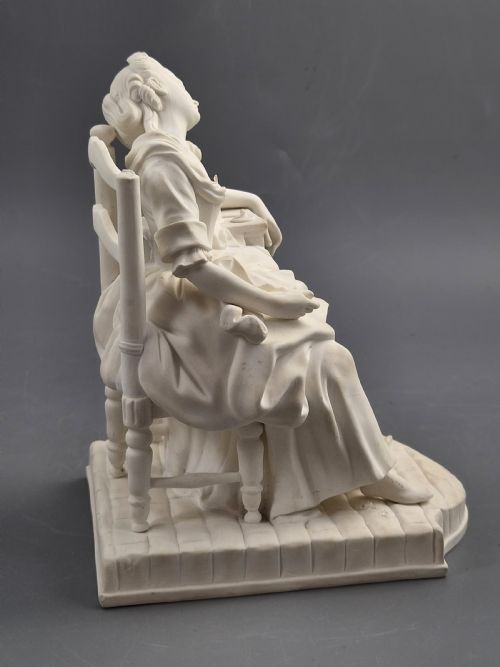
Foundries and studios combined cast bronze figures with stone bases, while manufactories produced ceramic alternatives in Parian porcelain to emulate the finish of carved marble.
Victorian Marble Sculpture Retail Price Guide 2026
Typical asking prices for victorian marble sculpture among the pieces listed under this phrase on Sellingantiques today, from the lower quarter to the upper quarter. They describe what is for sale here now, not the wider market.
Listings feature works spanning the nineteenth century, incorporating Carrara marble, alabaster, bronze, and Parian porcelain across portrait busts and animal sculptures.
Standards of Execution
The distinction between standard commercial production and exceptional work lies in the depth and sensitivity of the carving, particularly in facial expression, drapery folds, and hair texture.
Signed works by documented sculptors command greater attention than unsigned workshop pieces, reflecting the standing of the individual artist and the precision of the chiselling.
Carl Kauba·Barranti·August Moreau·Michel Victor Acier·J Francis·Pierre Jules Mene·Prosper Lecourtier·John Wenlock Rollins
The Victorian Marble Sculpture Glossary
- Carrara marble
- A type of white or blue-grey marble quarried in the city of Carrara in Tuscany, widely utilised for nineteenth-century figurative carving.
- Bust
- A sculpted representation of a person's head, shoulders, and chest, frequently rendered in marble or Parian porcelain during the Victorian period.
- Parian porcelain
- A fine biscuit porcelain developed to imitate carved white marble, utilised for Victorian portrait busts and literary groups.
- Grand Tour
- The nineteenth-century practice of travelling through Europe, which generated a demand for small-scale bronzes and marble figures bought as mementoes.
- Alabaster
- A fine-grained, translucent stone used for Victorian portrait busts and decorative objects, softer and warmer in tone than standard marble.
Victorian Marble Sculpture: Frequently Asked Questions
How do I clean a marble sculpture?
Dust the surface gently with a soft, dry cloth or a fine brush to prevent abrasive particles from scratching the polished stone. Avoid utilising water, soap, or chemical cleaners, which can seep into porous marble or damage the historical finish.
For stubborn grime, consult a professional conservator rather than attempting home remedies. Maintaining a stable indoor humidity helps protect both the stone and any attached bronze elements.
Where should I display a heavy bust?
Place heavy stone and bronze pieces on sturdy furniture or dedicated nineteenth-century pedestal columns made of marble, onyx, or wood. Ensure the support surface is level and capable of bearing substantial weight without tipping.
Position the piece away from direct sunlight and heat sources to prevent thermal shock or gradual discoloration of the stone. Adequate clearance allows safe viewing from multiple angles.
Are these sculptures signed by the artist?
Many nineteenth-century pieces bear signatures, monograms, or foundry marks incised directly into the marble or cast into the bronze base. These inscriptions often include dates or location names such as Florence.
Unsigned pieces remain common, representing studio output produced for retailers or Grand Tour travellers. Attribution for unsigned works relies on stylistic comparison with documented sculptures from the same period.
What is the difference between marble and alabaster?
Marble is a metamorphic rock formed from limestone, offering a hard, durable surface with crystalline structure and varied veining. Alabaster is a softer, gypsum-based stone known for its translucent quality and warmer, more uniform tone.
Sculptors utilised alabaster for works requiring delicate surface detail and soft light diffusion, whereas marble served for monumental portraiture and outdoor display.