
Antique Stone Figure
An antique stone figure brings classical presence and carved texture into a room, spanning intimate Grand Tour souvenirs and substantial garden ornaments.
Antique Stone Figure
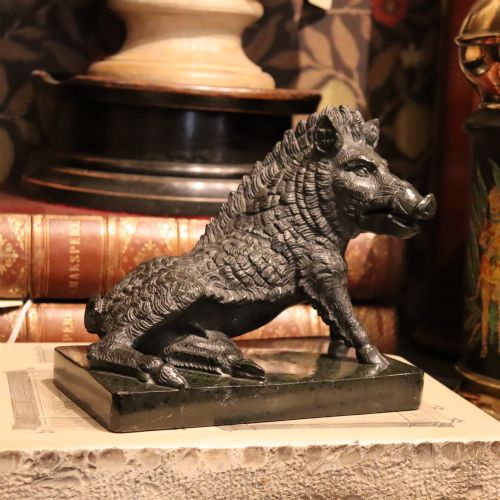
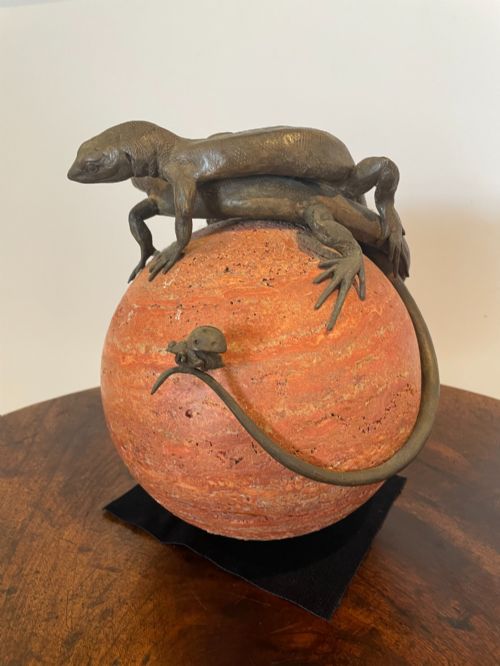
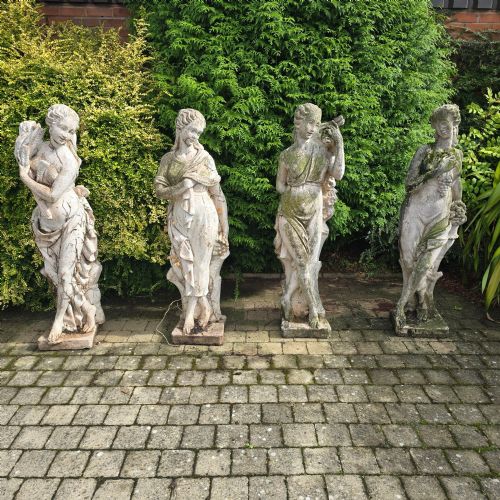
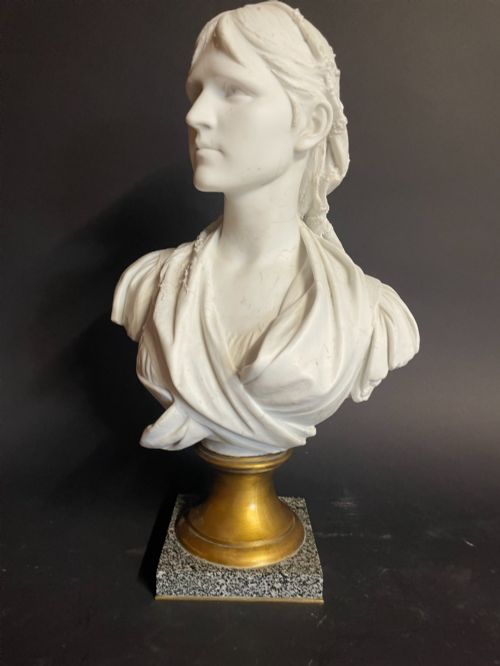
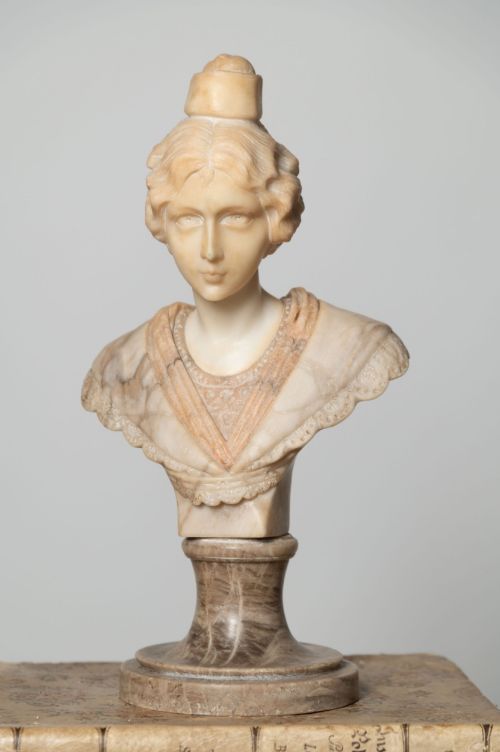
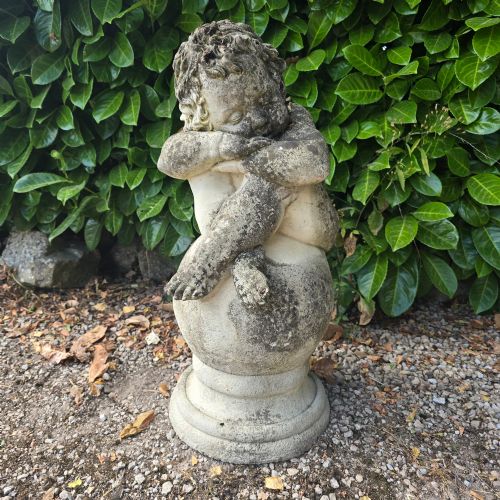
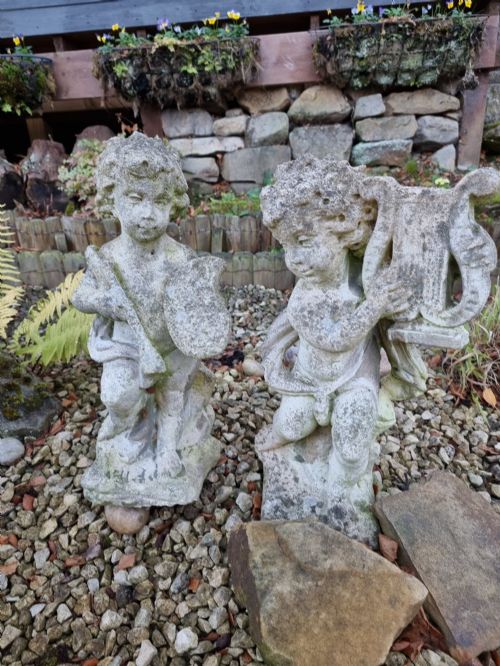
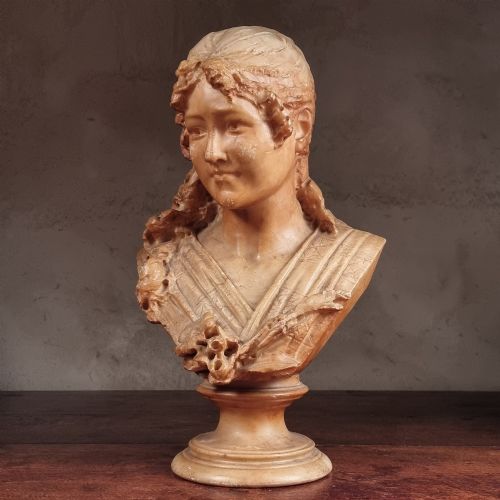
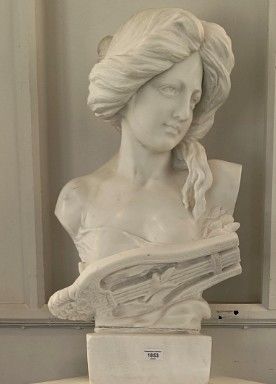
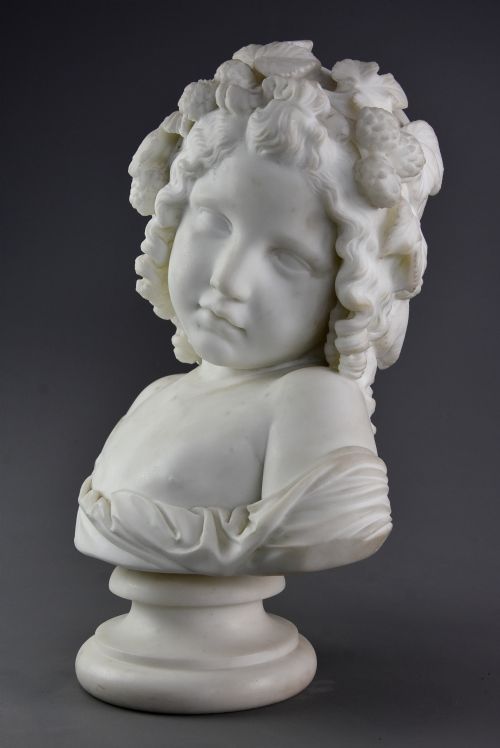
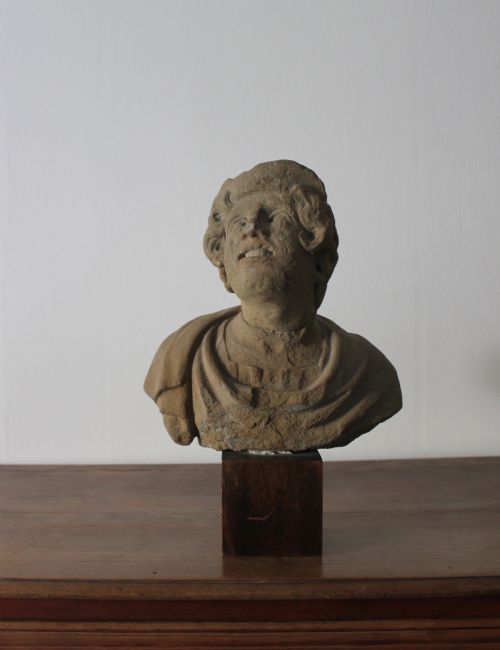
When you search for an antique stone figure, you encounter diverse representations ranging from mythological subjects and literary busts to garden cherubs and animal studies. The nineteenth century yields numerous Italian Grand Tour carvings of classical figures, alongside French and English portrait busts and garden statues in reconstituted stone.
Pieces span smaller scale decorative carvings designed for library display up to life-sized figures intended for interior or garden placement. Materials shift from veined Carrara marble and translucent alabaster to soapstone, serpentine, and cast or reconstituted stone.
Materials and Technique
Carvers shaped marble, alabaster, and serpentine using chisels, rasps, and abrasive powders to achieve smooth skin tones or textured drapery. Studio sculptors often signed their work directly into the base or rear margin of the stone.
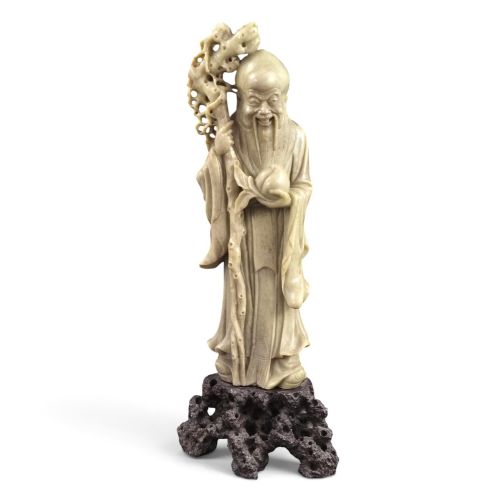
Garden ornaments utilised cast stone or reconstituted stone mixes poured into moulds to replicate the appearance of carved masonry. Chinese carvings employed fine-grained materials such as soapstone and jadeite, shaped with specialised rotary tools for intricate detail.
Listings feature eighteenth-century to mid-twentieth-century pieces, spanning Carrara marble, alabaster, serpentine, and reconstituted stone.
Quality Factors
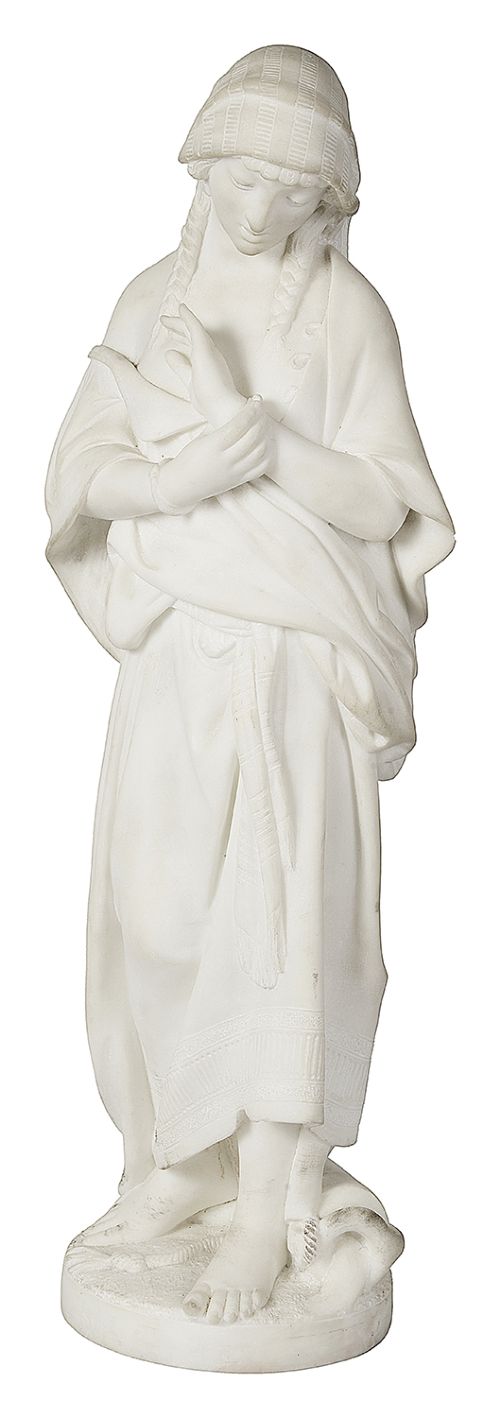
The distinction between ordinary and exceptional carving lies in the sensitivity of the handwork, particularly in the rendering of hair, facial expression, and fabric folds. A superior marble or alabaster sculpture displays anatomical conviction and careful polishing that respects the natural grain and translucency of the material.
Barranti Florence·Houdon·Hamo Thornycroft·Eugene Aizelin·Auguste Henri Carli·Carrier Belleuse
The Antique Stone Figure Glossary
- Grand Tour
- A nineteenth-century tradition where travellers collected classical sculpture souvenir copies in Italy. These miniature or reduced-scale marble and alabaster figures replicated famous antiquities found in European museums.
- Carrara Marble
- A type of white or blue-grey marble quarried in the city of Carrara in Tuscany. Sculptors prized this fine-grained material for its consistent texture and subtle veining.
- Alabaster
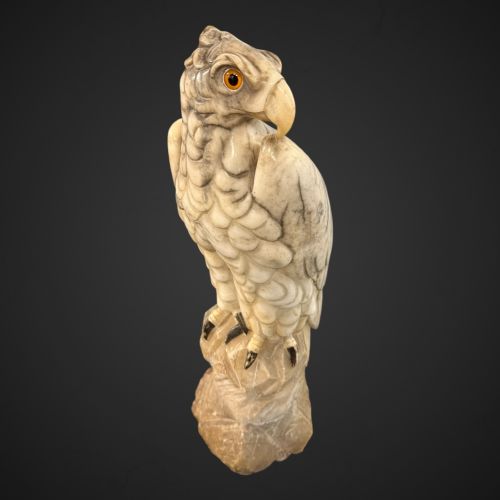
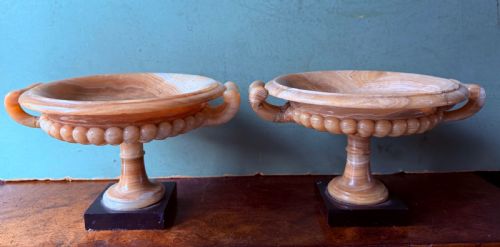
- A fine-grained mineral stone, often translucent, used extensively for portrait busts and decorative vessels. It requires indoor placement due to its sensitivity to moisture.
- Serpentine
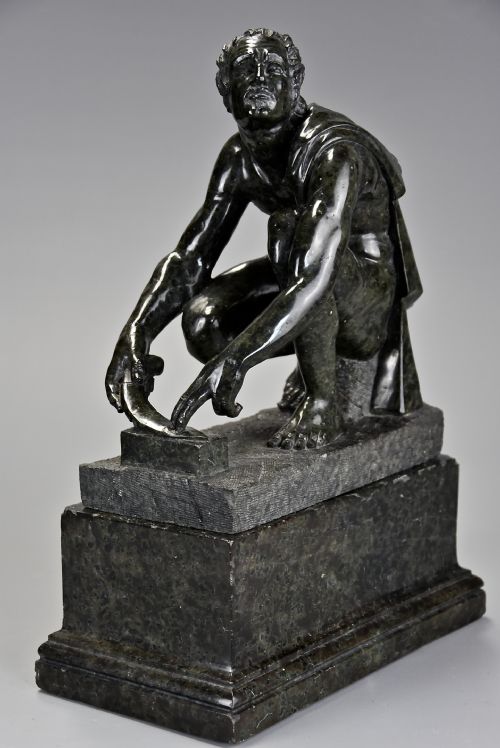
- A group of green silicate minerals that take a high polish, frequently utilised for Grand Tour animal figures and architectural bases. Its mottled surface resembles snakeskin.
- Reconstituted Stone
- A composite material made from crushed natural stone bound with cement or resin, cast in moulds. It provides durability for garden statues and architectural ornaments.
Antique Stone Figure: Frequently Asked Questions
How do I clean marble figures?
Dust gently with a soft dry cloth to remove surface particles without abrasive friction. Avoid water, soap, and chemical cleaning agents that can dull or penetrate porous stone.
For stubborn grime, consult a professional conservator rather than attempting DIY chemical treatments. Alabaster requires particular caution because moisture dissolves the surface.
Can garden stone figures stay outside?
Reconstituted stone and cast stone pieces withstand outdoor weathering through seasonal changes. Place them on stable bases away from standing water to prevent frost damage during freezing temperatures.
Marble, alabaster, and soapstone carvings belong indoors because their polished surfaces and softer minerals suffer rapid degradation in damp or freezing weather.
What is a Grand Tour figure?
Grand Tour figures are nineteenth-century carved reductions of famous classical sculptures collected by travellers in Italy. These decorative pieces served as educational and artistic mementoes of European travel.
They typically feature detailed execution in marble, alabaster, or serpentine, often mounted on black marble bases. Their scale made them suitable for display on library shelves and desks.