





Dancing Faun Sculpture
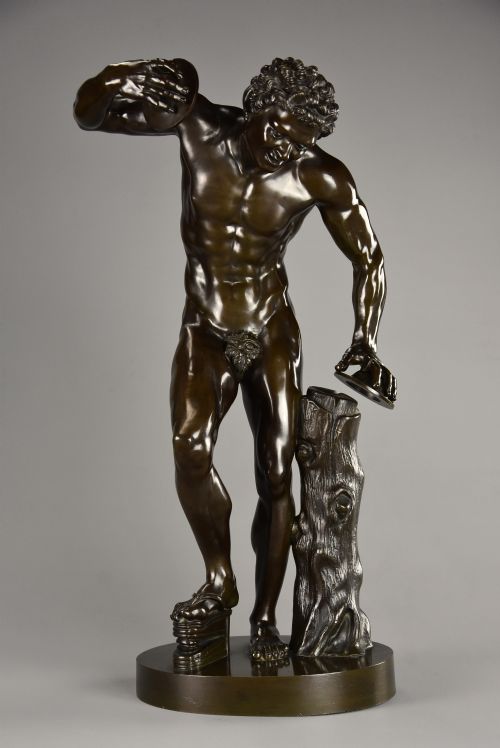
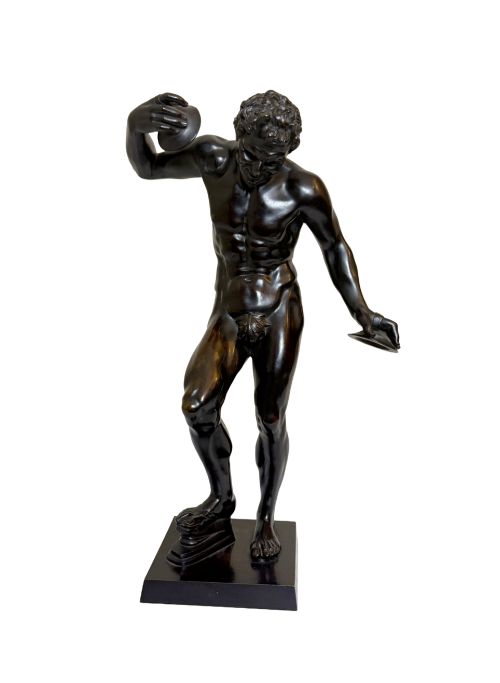
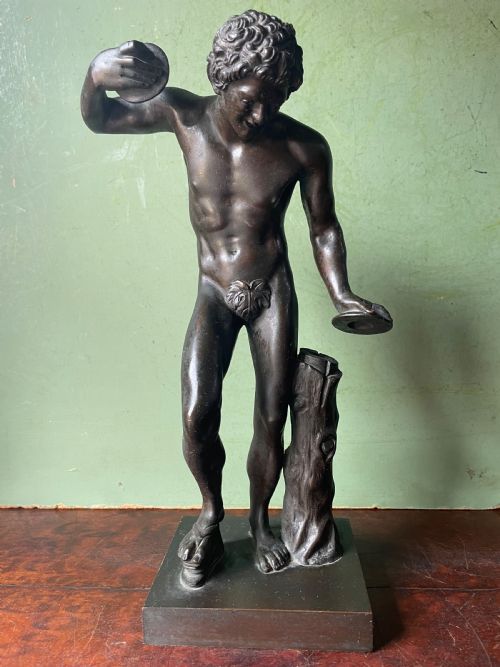
A dancing faun sculpture brings the energetic spirit of classical antiquity directly into a room, capturing the mythological figure in mid-movement with cymbals or clappers.
Dancing Faun Sculpture
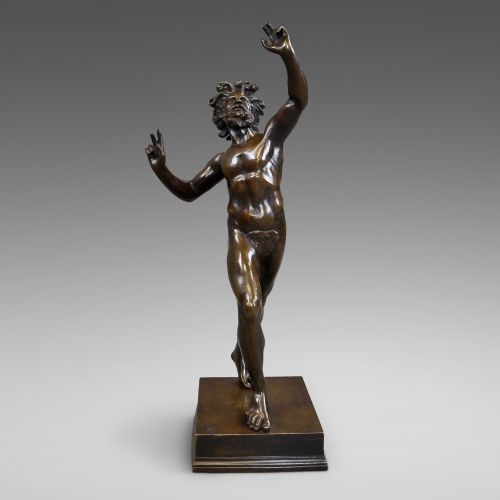
A dancing faun sculpture represents a dynamic mythological subject derived from ancient Roman prototypes excavated at Pompeii, specifically the famous bronze discovered in the House of the Faun. The pieces gathered under this phrase are principally nineteenth-century interpretations created during the height of the Grand Tour taste.
Most examples encountered on this page take the form of patinated bronze reductions produced in Italy or France as souvenirs for travelling collectors. These sculptures translate classical archaeology into cabinet-sized works of art that reflect Victorian and Neoclassical enthusiasm for ancient sculpture.
Beyond bronze, variations in the material record include plaster and stone figures produced in the same aesthetic tradition. These objects range from modest cabinet souvenirs to substantial decorative bronzes standing with notable presence.
How they were made
The bronze sculptures rely on traditional lost-wax casting methods to capture the musculature and movement of the dancing figure. Workshops applied chemical patination techniques ranging from rich dark brown tones to deliberate green surfaces that mimic excavated antiquities.
Alternative materials such as plaster and stone provided accessible mediums for replicating classical statuary. These works often utilised marble bases to elevate the sculpture and stabilise the composition of the dynamic figure.
Dancing Faun Sculpture Retail Price Guide 2026
Typical asking prices for dancing faun sculpture among the pieces listed under this phrase on Sellingantiques today, from the lower quarter to the upper quarter. They describe what is for sale here now, not the wider market.
Some mischievous fauns strike poses with cymbals raised high, proving that classical sculpture knew how to throw a proper party.
What varies in quality
The sophistication of the bronze patina and the integration with integral bases or pedestals distinguish superior Grand Tour souvenirs from standard commercial productions. Maker signatures or foundry stamps also indicate workshop distinction.
Duchemin·Augusto Rivalta
The Dancing Faun Sculpture Glossary
- Grand Tour
- A traditional trip through Europe undertaken by upper-class young men in the eighteenth and nineteenth centuries to study classical art. Souvenirs purchased along the route formed the core of many British collections.
- Neoclassical
- An artistic movement drawing inspiration from the classical art and culture of ancient Greece and Rome. This style dominated nineteenth-century decorative arts and sculpture production.
- Patination
- The process of treating the surface of metal to produce a specific colour or finish. Artisans used chemical solutions to create aged bronze or green patinated surfaces.
- Reduction
- A scale copy made smaller than the original ancient sculpture. These bronze reductions allowed collectors to house museum-scale antiquities in domestic interiors.
- Cymbals
- Percussion instruments held in the hands of the dancing figure in several sculptural variants. Their inclusion identifies specific mythological representations of Bacchic revellers.
Dancing Faun Sculpture: Frequently Asked Questions
What is a dancing faun sculpture?
A dancing faun sculpture is a nineteenth-century interpretive casting based on ancient Roman bronzes excavated at Pompeii. These figures depict mythological attendants of Bacchus captured in energetic motion.
They served primarily as decorative ornaments or travel souvenirs for collectors participating in the Grand Tour. The subjects often include attributes like cymbals or clappers.
How do I identify a Grand Tour bronze?
Grand Tour bronzes typically date from the nineteenth century and exhibit distinct patination designed to evoke ancient metalwork. Look for cast details that mirror famous museum sculptures from Naples.
Many of these pieces were produced in Italian or French foundries as reductions of monumental antiquities. Quality indicators include sharp chisel work and substantial weight.
Where were these sculptures displayed?
In the nineteenth century, these sculptures occupied libraries, studies, and drawing rooms as conversation pieces that demonstrated classical learning. Collectors placed them on mantelpieces, desks, or specialised pedestals.
Today, they function well as cabinet bronzes or decorative focal points in traditional and eclectic interiors. Their dark patinated surfaces complement wooden furniture and architectural stonework.
What materials are used besides bronze?
While bronze remains the dominant medium, nineteenth-century workshops also utilised plaster and stone to produce sculptural figures. Marble was frequently employed for integral bases or plinths.
Patination agents varied widely, producing surfaces ranging from deep black-browns to mottled green finishes. Each material influenced how the sculptural details and musculature were rendered.