


Antique Mythology Statue
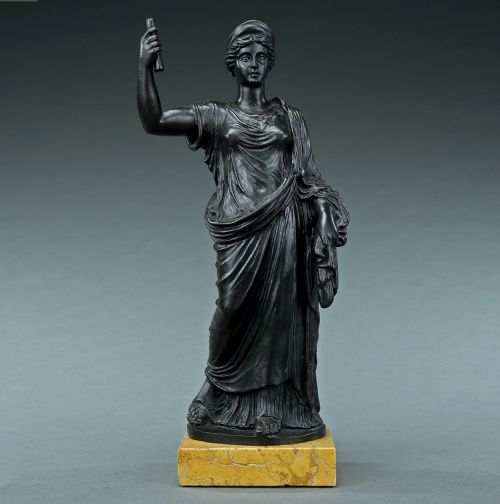
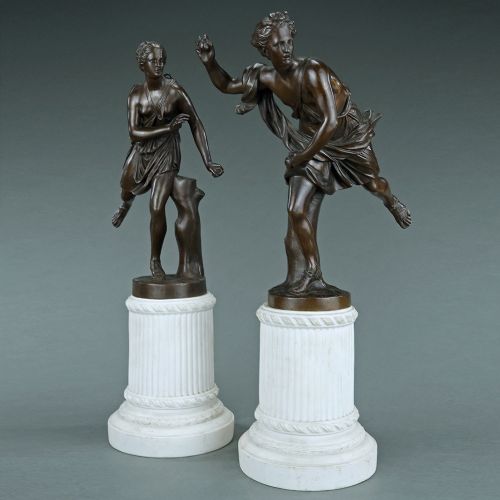
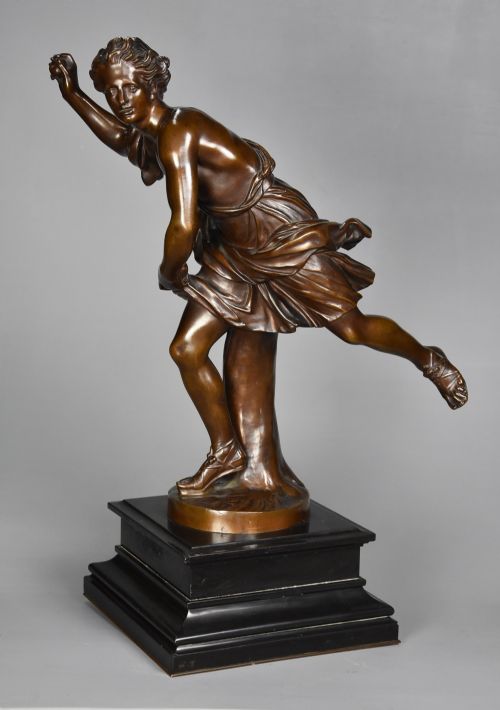
When you search for an antique mythology statue, you find figures of classical gods and heroes cast in bronze or carved in marble.
Antique Mythology Statue
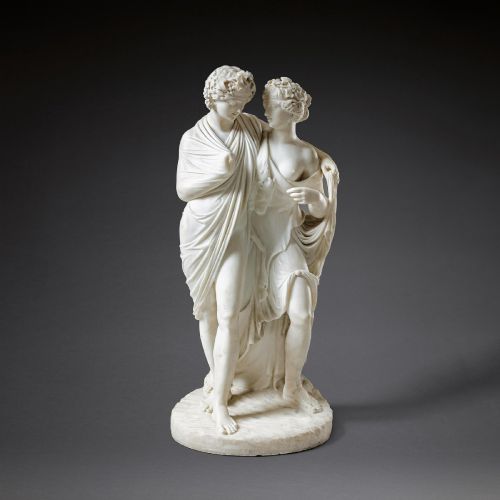
When searching for an antique mythology statue, collectors encounter representations of classical deities, nymphs, and heroes drawn from Greek and Roman stories. These works take the form of freestanding figures, portrait busts, and sculptural groups cast in metal or carved from stone.
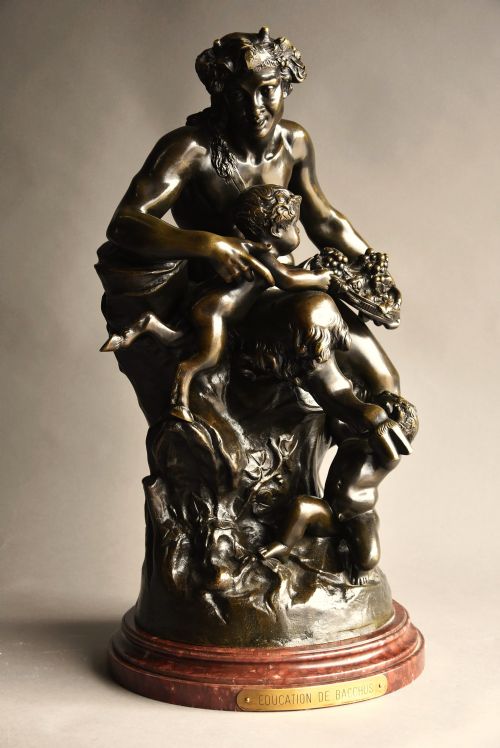
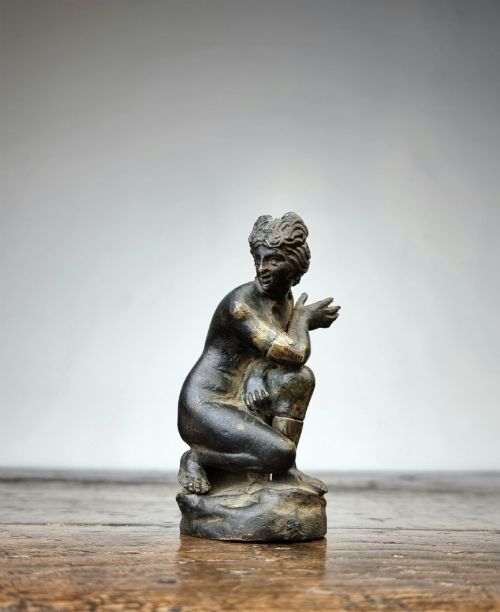
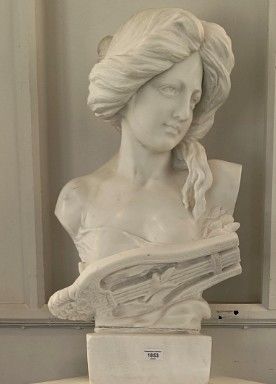
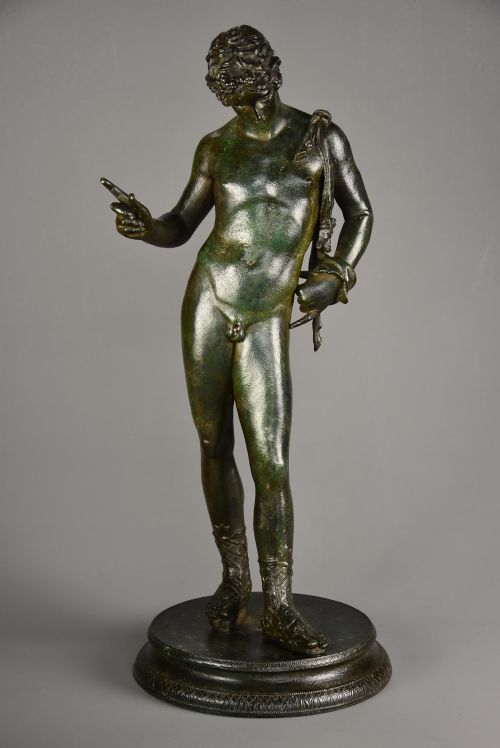
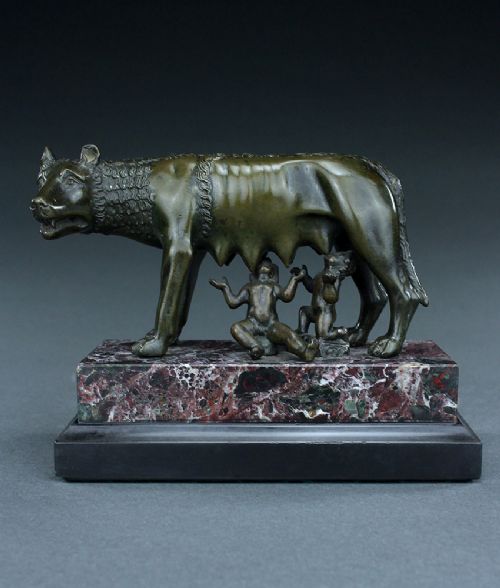
The version most commonly met on this page is the nineteenth-century Grand Tour bronze, often produced in Italy or France as a souvenir for travellers. Alongside these metal castings, collectors find white marble carvings, porcelain figures, and period engravings depicting subjects such as Bacchus, Diana, and Venus.
How they were made
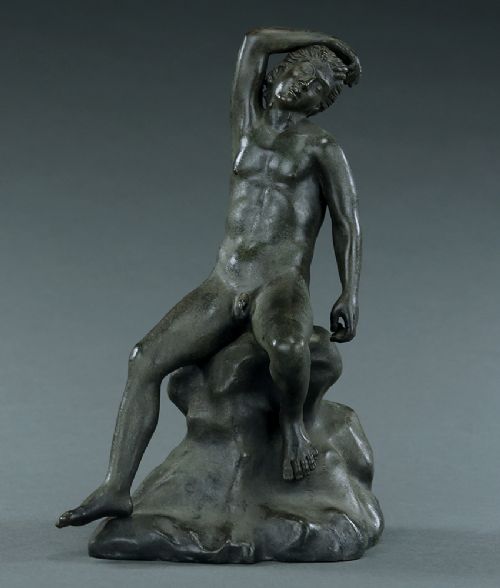
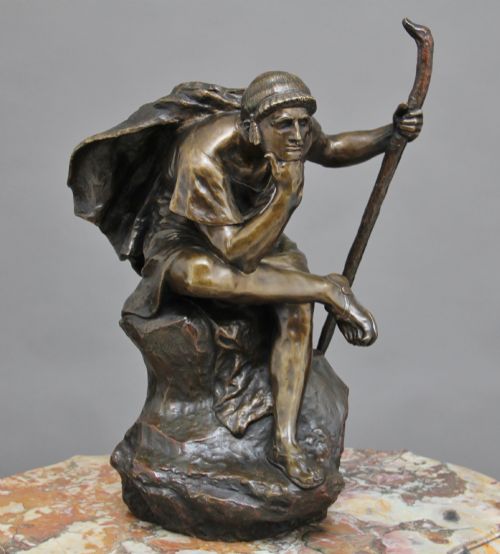
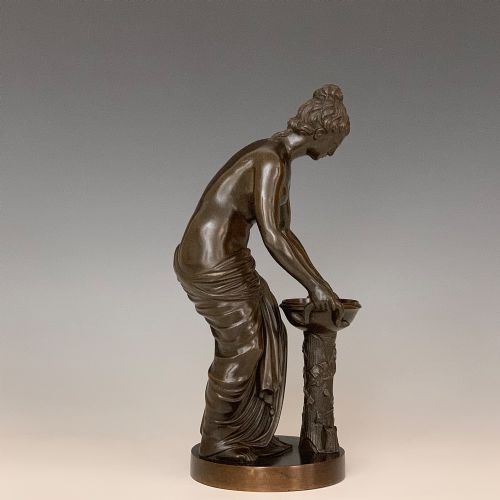
Makers utilised the lost-wax casting method for bronze statues, capturing intricate details of drapery and musculature before applying patination ranging from deep brown to verdigris green. Marble sculptures were hand-carved from blocks of white stone, frequently reproducing celebrated ancient models found in Italian museums.
Porcelain figures were shaped in moulds, hand-painted with ceramic colours, and finished with gilt highlights before firing. Paper engravings were printed from hand-carved plates and housed in period wooden frames.
Father Time appears clipping Cupid's wings on a Derby porcelain figure group from the eighteenth century.
What varies in quality
Signatures from established founders or sculptors elevate an object, reflecting the skill applied in the workshop. The quality of the patina or the subtlety of the hand-painting on porcelain similarly separates standard souvenirs from exceptional studio pieces.
Barbedienne·Carlo Albacini·Augusto Rivalta·Albert Hussmann·Franz Iffland
The Antique Mythology Statue Glossary
- Grand Tour
- A traditional trip through Europe undertaken by upper-class young men to study classical art and antiquities. Souvenirs purchased along the route form a significant category of nineteenth-century sculpture.
- Patina
- The surface colour and texture developed naturally over time or applied chemically by a founder. It gives bronze figures their characteristic dark brown or green finish.
- Neoclassical
- A style originating in the mid-eighteenth century inspired by the art and culture of ancient Greece and Rome. It prioritises symmetry, proportion, and mythological subjects.
- Ormolu
- Gilded bronze used for decorative mounts and sculptural objects. The technique involves applying a gold-mercury amalgam to a bronze base.
- Chasing
- The process of hand-finishing a metal casting with chisels and punches to refine details and remove surface imperfections.
Antique Mythology Statue: Frequently Asked Questions
What is a Grand Tour bronze?
A Grand Tour bronze is a small nineteenth-century sculpture purchased by travellers visiting classical sites in Italy and France. These pieces typically reproduced famous antique statues discovered during excavations.
Founders in Rome, Naples, and Paris cast these reductions to serve as portable reminders of classical history and mythology.
How can I identify mythological figures?
Figures are identified through their traditional attributes, such as Diana carrying a bow and arrow or Bacchus holding grapes. These visual markers connect each character to specific stories from ancient literature.
Inscriptions on the base or descriptive titles assigned by nineteenth-century founders also clarify the identity of the subject.
Where were these sculptures displayed?
Owners placed these statues upon library desks, mantelpieces, and dedicated pedestals within nineteenth-century drawing rooms. They demonstrated the owner's classical education and refined taste.
Today, they function well on bookcases, sideboards, or designated display tables within traditional interiors.
Are these pieces direct copies of ancient works?
Many nineteenth-century bronzes and marbles were derived from celebrated Roman copies of lost Greek originals housed in European museums. Sculptors used pointing machines or freehand modelling to scale down these large antiquities.
While inspired by antiquity, the finishing work reflects the manufacturing techniques and aesthetic preferences of the Victorian era.