





Bronze Dancing Satyr
These bronze dancing satyr figures bring classical antiquity into nineteenth-century drawing rooms as spirited Grand Tour souvenirs.
Bronze Dancing Satyr
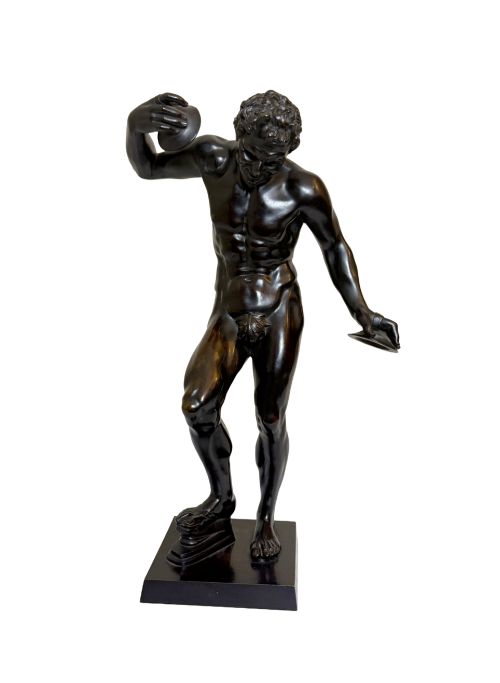
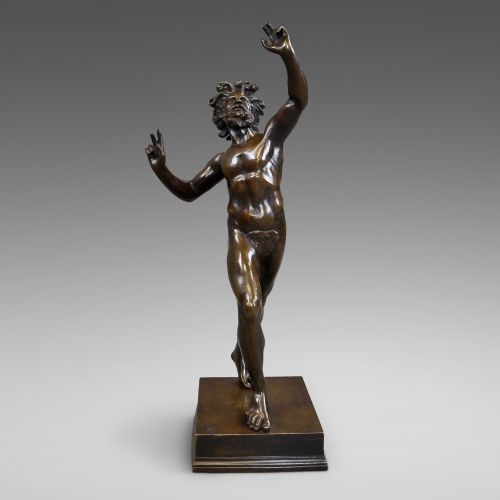
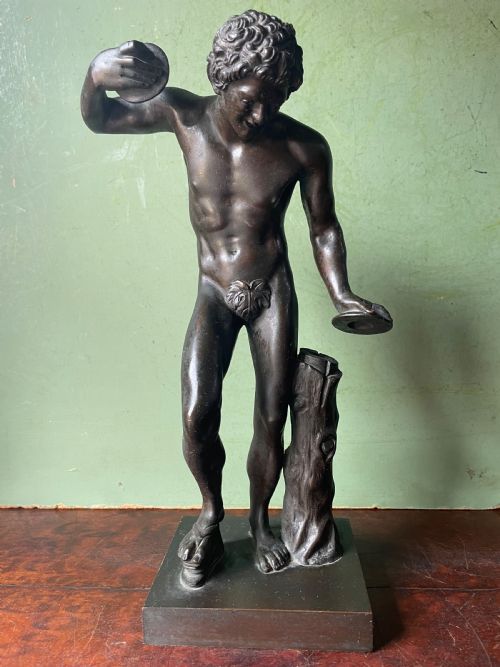
A bronze dancing satyr depicts the mythological follower of Dionysus captured mid-movement, often modelled directly on the famous antique excavated at Pompeii. Buyers searching for a bronze dancing satyr typically encounter nineteenth-century interpretations associated with the Grand Tour, capturing classical form through reduced or full-scale statuary.
Most examples on this page date from the Victorian era, particularly the latter half of the nineteenth century, reflecting European travel and classical revival tastes. These sculptures draw heavily on Neoclassical aesthetics, portraying mythological subjects such as fauns, pans, and bacchic groups with animated gestures.
Materials and construction
Foundry work relied on traditional casting methods to capture the dynamic musculature and intricate details of the dancing figures. Metal was shaped into bronze sculptures and patinated to achieve deep, varied surface tones, occasionally paired with marble plinths.
Surface treatments varied from dark bronze patinas to lighter metallic finishes, accentuating the contours of the figures. Alongside metal castings, nineteenth-century workshops also utilised plaster for sculptural reductions, maintaining the precise proportions of the ancient originals.
Bronze Dancing Satyr Retail Price Guide 2026
Typical asking prices for bronze dancing satyr among the pieces listed under this phrase on Sellingantiques today, from the lower quarter to the upper quarter. They describe what is for sale here now, not the wider market.
Listings feature Victorian bronze sculptures and plaster figures spanning the nineteenth century, predominantly created as Neoclassical Grand Tour souvenirs.
Factors determining quality
Patination depth and the quality of the supporting base also distinguish the tiers of production. Skilled foundries achieved nuanced, multi-layered patinas that mimic aged metal, while simpler versions exhibit uniform or flat coloration.
Augusto Rivalta·Clodion
The Bronze Dancing Satyr Glossary
- Grand Tour
- A traditional trip through Europe undertaken by upper-class young men in the eighteenth and nineteenth centuries to study classical art. Souvenirs collected along the way often included small bronzes of ancient statues.
- Patinated Bronze
- Metal treated with chemical solutions to produce a specific surface colour or aged finish. This layer protects the metal while enhancing the visual depth of the sculpture.
- Reduction
- A smaller copy of a larger, famous statue, often produced in bronze during the nineteenth century. These allowed collectors to display miniature versions of museum masterpieces at home.
- Neoclassical
- A Western cultural movement drawing inspiration from the classical art and culture of ancient Greece or Rome. It influenced nineteenth-century sculpture by prioritising proportion, balance, and mythological subject matter.
Bronze Dancing Satyr: Frequently Asked Questions
What is a bronze dancing satyr?
A bronze dancing satyr is a nineteenth-century sculptural representation of a mythological faun, typically modelled after ancient Roman discoveries in Pompeii. These figures depict animated mythological characters playing cymbals, clappers, or simply dancing.
Created as Grand Tour souvenirs, these pieces allowed Victorian travellers to bring classical art into domestic spaces. They serve as decorative ornaments reflecting nineteenth-century fascination with antiquity.
Where were these sculptures made?
These sculptures were primarily produced in European workshops, notably in Italy and France, during the nineteenth century. Italian foundries catered directly to travellers visiting classical excavation sites.
French workshops also produced refined bronze reductions after the antique. Both regions supplied the international demand for portable classical statuary.
How do I identify a Grand Tour bronze?
Grand Tour bronzes typically date from the nineteenth century and replicate famous excavated statues housed in European museums. They often exhibit characteristic dark patination and are mounted on marble bases.
Examining the crispness of the casting and the nature of the patina helps distinguish period souvenirs from later reproductions. The subject matter almost exclusively draws from Greek and Roman mythology.
How should I display a bronze sculpture?
Display these bronzes on stable surface areas away from direct moisture and extreme temperature fluctuations to protect the metal patina. Placing them on desks, cabinets, or dedicated pedestals allows the dynamic silhouette to be viewed from multiple angles.
Handling the sculpture should be kept to a minimum, using clean hands or soft cloths to prevent oils from affecting the bronze surface over time.