
Antique Sculpture Figure
When you search for an antique sculpture figure, you encounter centuries of foundry work, hand-carved stone and timber from across the globe.
Antique Sculpture Figure
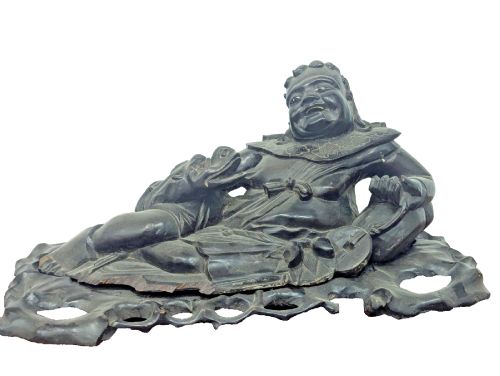
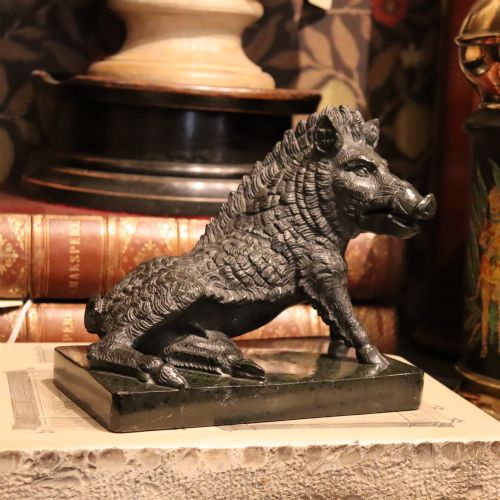
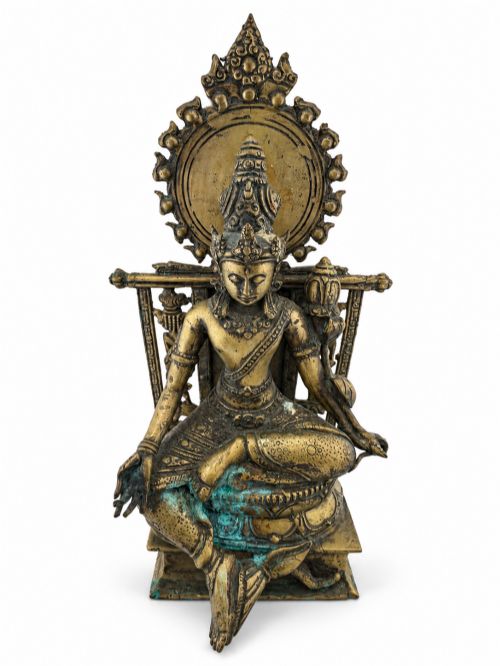
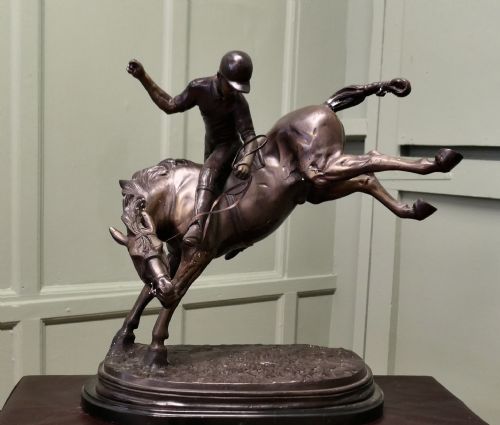
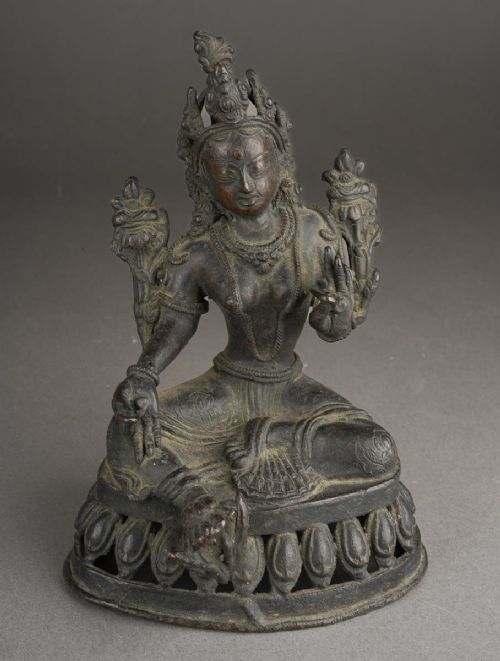
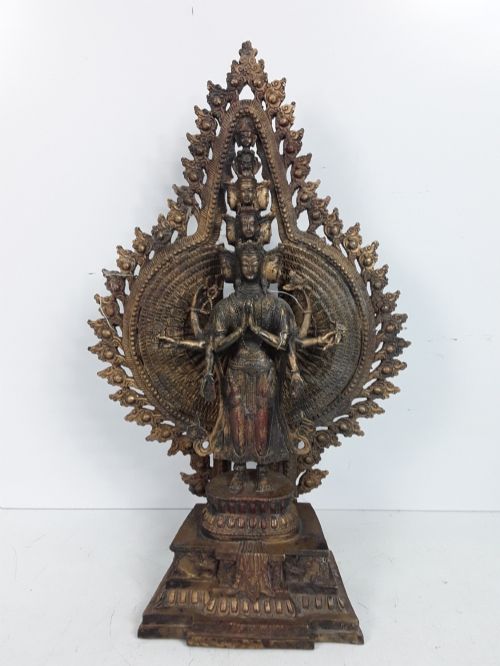
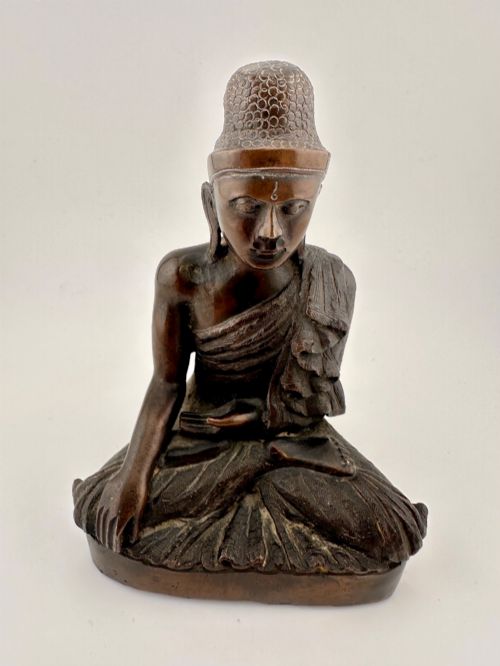
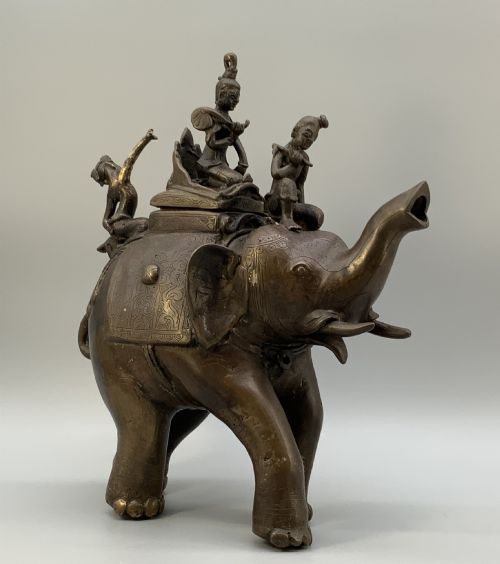
An antique sculpture figure encompasses everything from classical European foundry casts and Grand Tour mementoes to Himalayan shrine bronzes, East Asian carved deities and Meiji period Japanese metalwork. These three-dimensional works span domestic ornaments, religious icons and decorative table centrepieces created over several centuries.
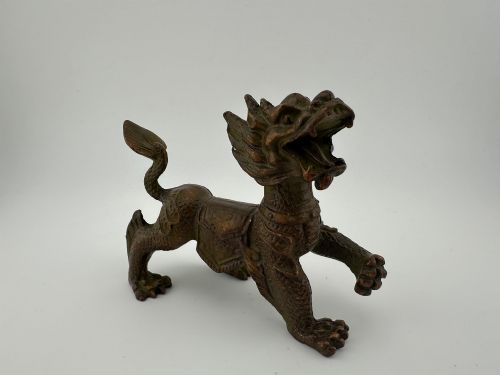
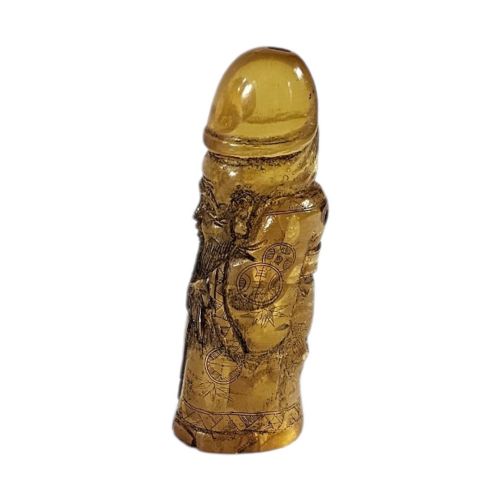
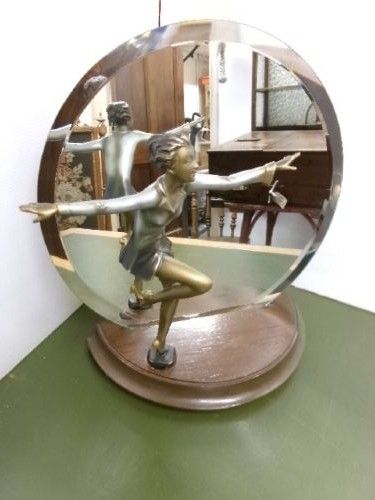
The objects on this page range from small amber pendants and carved wooden animals to substantial bronze deities, marble groups and spelter dancers. Buyers seek them to anchor a room, bring texture to a mantelpiece or collect specific regional styles such as Animalier studies or Art Deco figures.
Nineteenth-century European bronzes and turn-of-the-century Asian metalwork dominate the selection, alongside earlier wooden carvings and mid-twentieth-century pieces. Each category offers a distinct material weight and cultural narrative, whether depicting mythological beasts, human dancers or indigenous wildlife.
How they were made
Metal sculptures rely heavily on the lost-wax casting technique, which allows artisans to capture intricate details in bronze, brass or precious metals before finishing the surface with patination, cold-painting or gilding. This method ensures that every feather, fold of drapery and facial expression retains the crispness of the original sculpt.
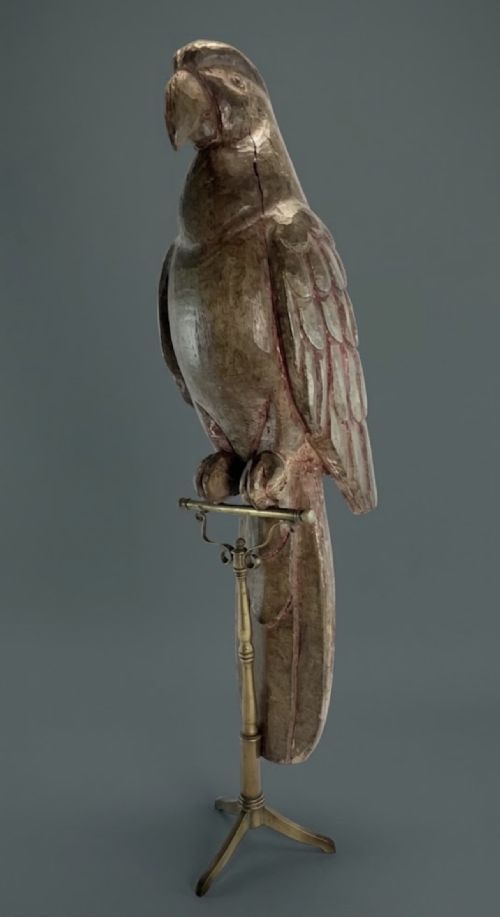
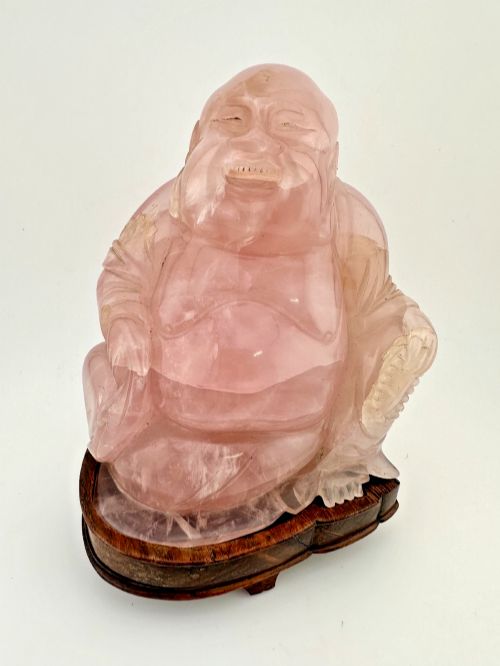
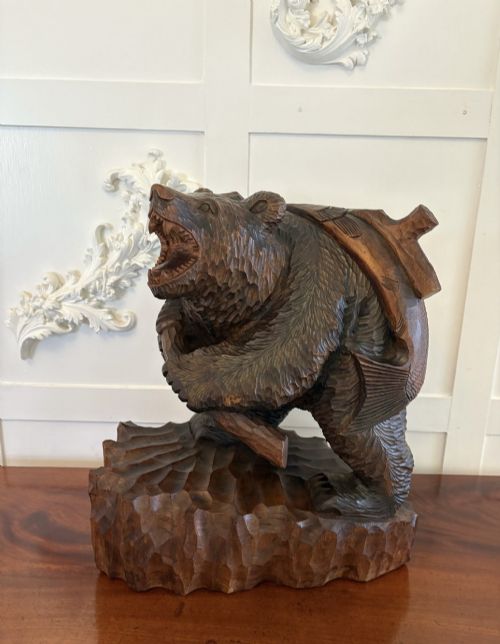
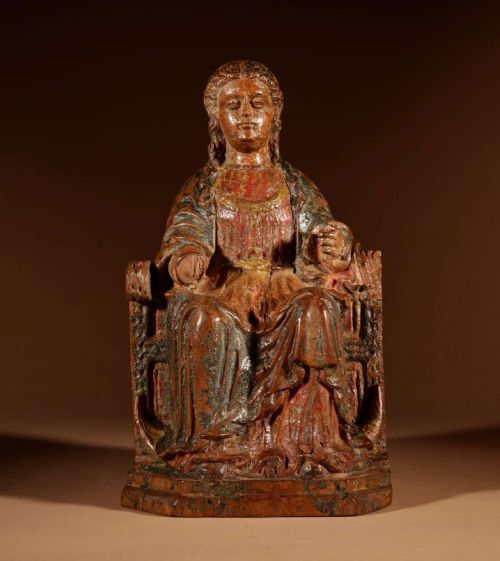
Carved pieces utilise dense natural materials such as hardwood, serpentine marble, rose quartz, amber and linden wood, shaped entirely by hand using chisels, gouges and abrasives. Craftsmen work with the natural grain of timber or the crystalline structure of stone to give durability and depth to each subject.
The listings feature works cast in bronze, brass, silver and gilt bronze alongside carved pieces in marble, hardwood, rose quartz and amber.
What varies in quality
The calibre of a cast depends on the sharpness of the chasing and the depth of the subsequent patination or cold-painted surface. Superior bronze and spelter figures retain crisp anatomical lines and subtle tonal gradients rather than flat, uniform finishes.
Carved works demonstrate excellence through the sensitivity of the hand, where timber grain or marble veining enhances the subject rather than interrupting it. Finer pieces show considered proportions and careful undercutting that separates mass-produced items from studio-executed sculptures.
Etienne-Henri Dumaige·Charles Louis Malric·Susse Frères·Barbedienne·Rudolf Küchler·Ferdinand Barbedienne·Carlo Albacini·Bruno Zach·Lemoyne·P J Mêne·Franz Bergman·Denys Puech
The Antique Sculpture Figure Glossary
- Animalier
- A nineteenth-century artistic genre dedicated to the realistic portrayal of animals, particularly predators, horses and hounds in dynamic motion. These works capture creatures behaving naturally in the wild.
- Grand Tour
- A traditional trip through Europe undertaken by upper-class scholars and collectors during the eighteenth and nineteenth centuries, commemorated by acquiring small bronze or marble replicas of classical antiquities. These souvenir pieces replicate famous museum sculptures.
- Patination
- The natural or artificially induced surface coloration that develops on metal through oxidation, age or chemical treatment. A rich patina adds visual depth and protects the underlying alloy.
- Spelter
- A zinc-based alloy commonly utilised during the late nineteenth and early twentieth centuries as an economical alternative to bronze. It often received a bronze-like finish to imitate costlier foundry work.
- Mudra
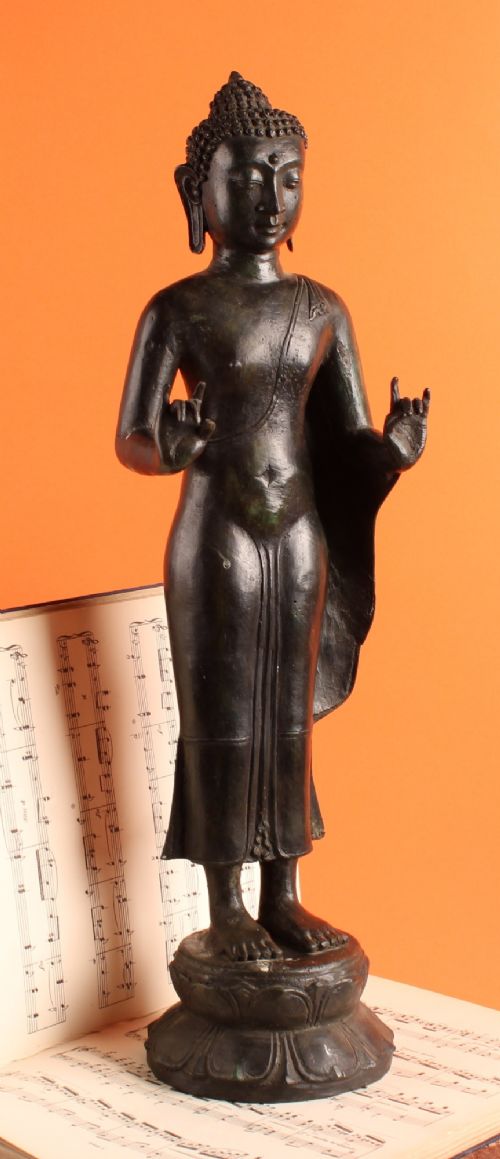
- A symbolic or ritual gesture performed with the hands in Buddhist and Hindu iconography, each specific hand position denoting a particular teaching or state of mind. They appear frequently on Asian bronze deities.
Antique Sculpture Figure: Frequently Asked Questions
What is an animalier bronze figure?
An animalier sculpture depicts animals in realistic poses, focusing closely on anatomy and movement. These pieces became especially popular in nineteenth-century France through dedicated specialist founders.
Collectors prize them for their accurate capture of wildlife, ranging from hunting hounds to birds and big cats.
How do I care for antique bronze figures?
Maintain bronze sculptures by dusting them gently with a soft, dry cloth to prevent grime accumulation. Avoid using chemical polishes or water, which can strip away the historical patination.
Applying a very light coat of microcrystalline wax occasionally helps protect the metal surface from atmospheric moisture.
What does Grand Tour mean for sculpture?
Grand Tour sculptures are smaller-scale replicas of famous classical antiquities, purchased by travellers touring European cultural centres during the nineteenth century. Workshops in Italy and France produced these reductions in bronze and marble.
They allowed collectors to bring classical art home into private studies and libraries.
How can I tell spelter from bronze?
Spelter is a softer zinc alloy that feels lighter than bronze and often shows a dull grey metal beneath any worn surface finish. It was frequently used for decorative figurines during the Art Deco period.
Bronze exhibits a heavier weight, greater tensile strength and a warmer metallic resonance when gently tapped.