




French Realist Sculpture
French realist sculpture captures the rugged dignity of agrarian life, animal form and urban labour in tactile bronze and marble.
French Realist Sculpture
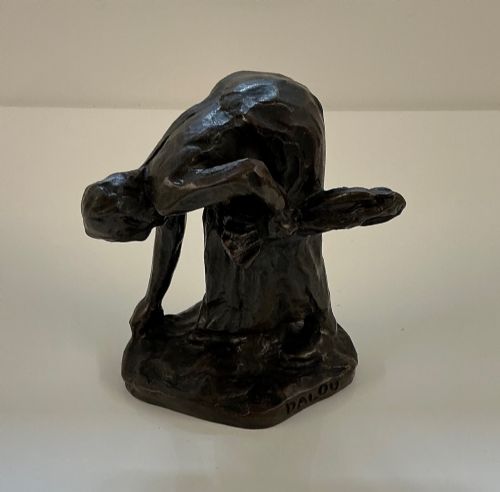
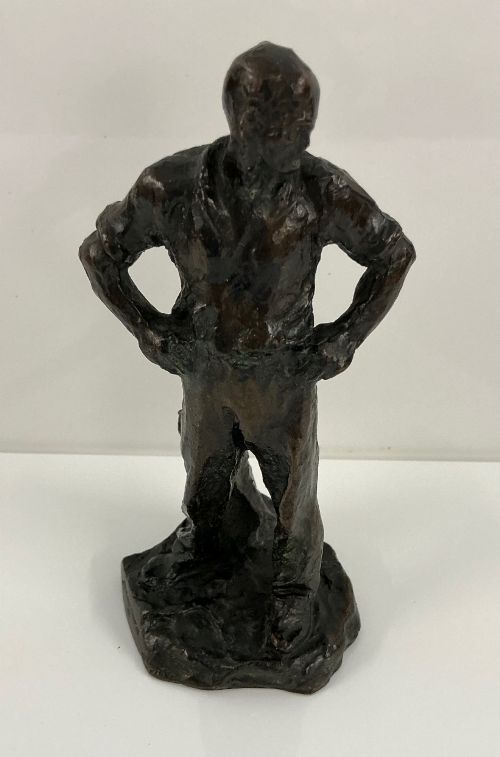
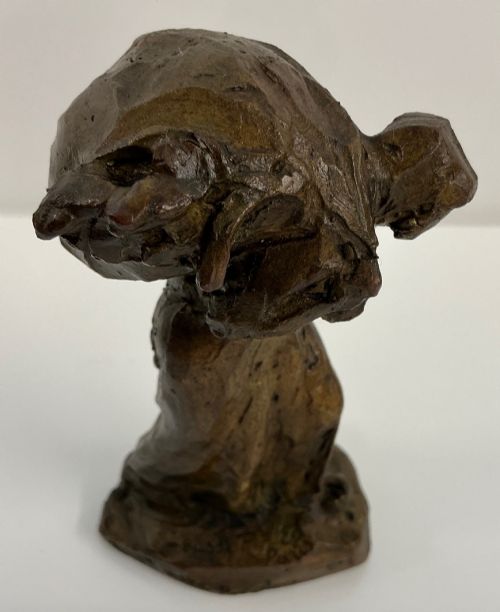
French realist sculpture focuses on everyday figures, from quarrymen and milkmaids to animals and street urchins, captured with direct observation. You will frequently encounter bronze and patinated bronze figures originating from the nineteenth century, including Edwardian examples.
The objects take several forms, ranging from standalone sculptural figures and animals to functional desk accessories like double inkwells. Makers and founders such as Susse Frères produced works by prominent artists that translate gritty realism into domestic scale.
Materials and Casting Methods
Bronze forms the primary medium for these works, often finished with a dark patina that accentuates the musculature and textured clothing of the subjects. Marble and wood also appear occasionally as bases or supporting elements for the metal figures.
Casting and chasing techniques allow the sculptors to render fine details in the hair, tools and animal pelts, reflecting the rigorous standards of nineteenth-century French foundries.
French Realist Sculpture Retail Price Guide 2026
Typical asking prices for french realist sculpture among the pieces listed under this phrase on Sellingantiques today, from the lower quarter to the upper quarter. They describe what is for sale here now, not the wider market.
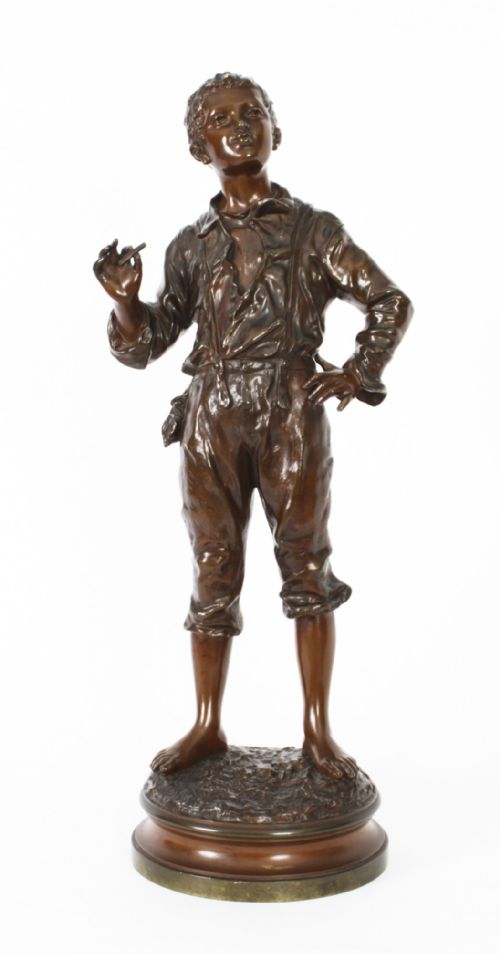
A whistling boy and a dog playing with a ball bring unexpected cheer to the serious business of nineteenth-century labour.
Evaluating Quality and Detail
The quality of a piece rests in the crispness of the chasing and the subtlety of the patination, which together define the depth of expression in the subject's face and hands. Softer details or muddy patinas obscure the dynamic tension intended by the artist.
Provenance and foundry marks, such as those from Susse Frères, distinguish standard editions from more meticulously finished or signed castings by named sculptors.
Jules Dalou·Antoine L Barye·Arthur Waagen·Joaquim Angles·Susse Frères·Charles Anfrie·Isidore Bonheur·Charles Octave Levy
The French Realist Sculpture Glossary
- Patina
- The chemical or natural surface coloration applied to bronze sculpture. It protects the metal and defines the tonal contrast of the piece.
- Animalier
- A nineteenth-century artistic genre specialising in the realistic depiction of animals. These works focus closely on anatomical accuracy and natural movement.
- Foundry mark
- A stamp or signature cast into the bronze by the workshop that poured the metal. It helps identify the origin and production period of the object.
- Chasing
- The post-casting metalwork process where a smith refines details and removes casting flaws using hammers and punches.
French Realist Sculpture: Frequently Asked Questions
What subjects do these sculptures depict?
These works portray everyday people engaged in labour or rest, such as quarrymen, milkmaids, woodsmen and street urchins. Animals also feature prominently in the genre.
The focus remains on unidealised, honest representations of ordinary life rather than mythological or classical themes.
How should I display a bronze figure at home?
Place your sculpture on a sturdy surface away from direct heat sources and strong moisture fluctuations to protect the metal and its patina. Desk accessories and small figures fit well on writing tables or bookcases.
Ensure adequate lighting from the side to highlight the textured surface and deep patination of the bronze.
How do I distinguish nineteenth-century pieces?
Examine the weight, the depth of the dark patina and any visible foundry inscriptions or artist signatures stamped into the base. Nineteenth-century works often exhibit rigorous anatomical detail and naturalistic postures.
Compare the style of dress and tools depicted with historical records from the period to confirm the date.
What is an animalier bronze?
An animalier bronze is a sculpture dedicated to the realistic study of animals, capturing creatures in motion or repose. Artists in this tradition paid close attention to muscle structure and behaviour.
These pieces range from dogs with balls to farm animals like pigs, rendered with careful observation.