


Silvered Bronze Statue
When you seek a silvered bronze statue, you find figures shaped by diverse hands from the nineteenth and twentieth centuries.
Silvered Bronze Statue
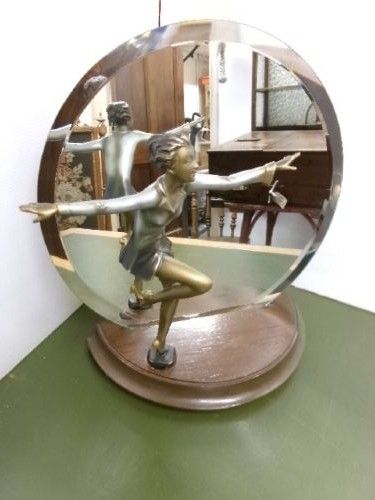
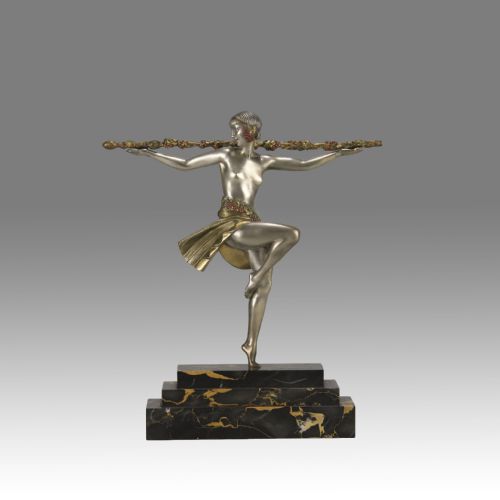
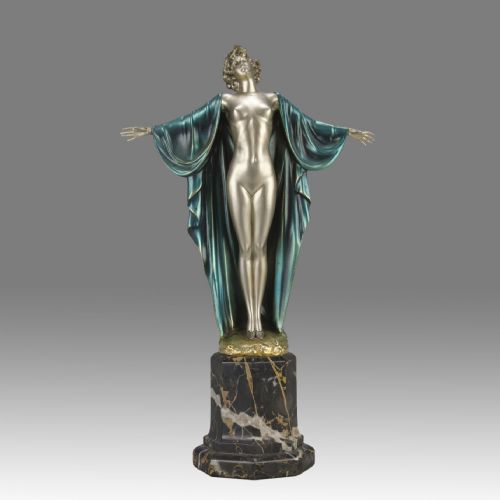
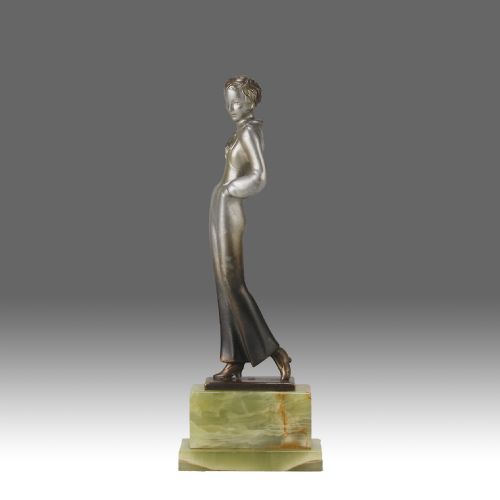
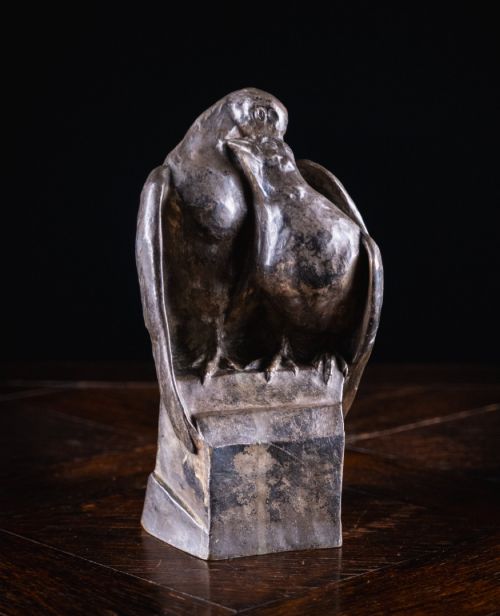
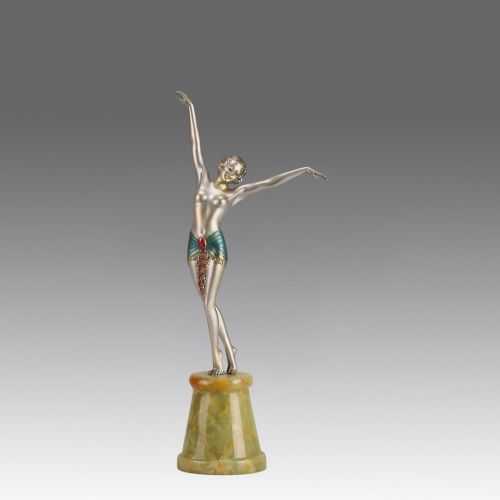
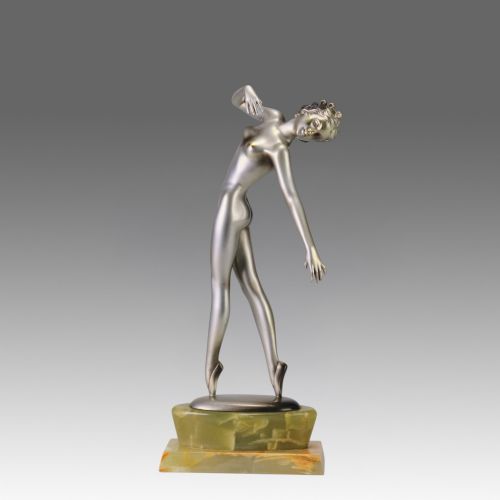
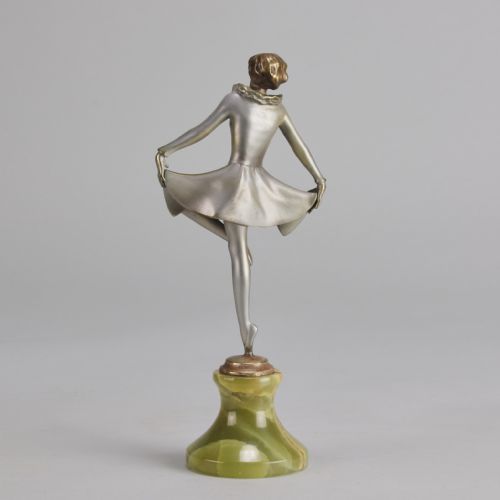
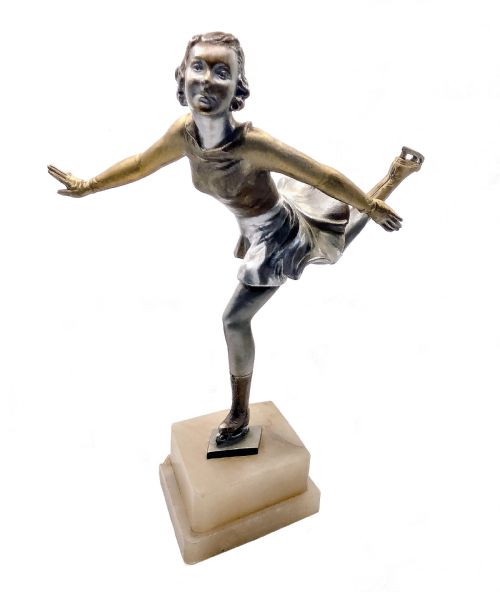
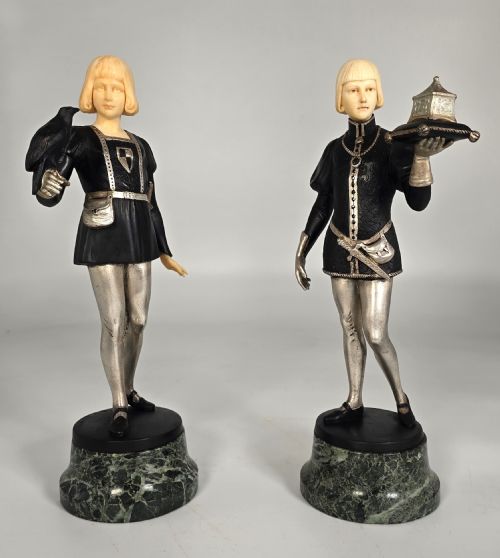
A silvered bronze statue represents a sculptural form finished with a silver coating, spanning several eras and geographic origins. The listings on this page lean heavily toward Art Deco dancers and animal figures from the 1920s and 1930s, alongside nineteenth-century works and earlier Asian metalwork.
The objects take many shapes, including freestanding human figures, animals such as greyhounds and hawks, bookends, and religious icons. Spelter frequently appears as an alternative base metal in figures from the 1930s.
Origins stretch from European ateliers in France and Austria to Japanese Meiji period workshops and ancient Javanese traditions. Buyers encounter everything from small cabinet figures to substantial sculptures mounted on marble or onyx bases.
Judging the range
Quality rests in the crispness of the casting detail, the preservation of the silvered or cold-painted surface, and the harmony between the metal figure and its stone base. Works carrying the signatures of established sculptors or distinct foundry marks hold a different standing than unsigned or attribution-based pieces.
The integrity of the patination and the precision in rendering human or animal anatomy distinguish standard commercial output from finer sculptural creations.
Silvered Bronze Statue Retail Price Guide 2026
Typical asking prices for silvered bronze statue among the pieces listed under this phrase on Sellingantiques today, from the lower quarter to the upper quarter. They describe what is for sale here now, not the wider market.
The listings feature works spanning from pre-sixteenth century Asian shrines to Art Deco figures of the 1930s.
Pierre le Faguays·Ferdinand Preiss·Josef Lorenzl·Frederique Cederlund-Ozanne·Gotthilf Jaeger·Claire Jeanne Roberte Colinet·Demetre Chiparus·Alexandre Kelety·Geo Maxim·Paul Joris·Carrier·Michel Decoux·Herzig·Antoine Bofill·Takamura Koun
The Silvered Bronze Statue Glossary
- Silvered bronze
- A bronze casting treated with a silver finish or plating. This technique imparts the sheen of solid silver while retaining the weight and casting properties of bronze.
- Cold-painted bronze
- A method where paint is applied to metal without the use of high-heat firing after the initial casting. The pigments adhere directly to the prepared bronze surface.
- Spelter
- A zinc-based alloy commonly utilised as an economic alternative to bronze. It takes finishes well but possesses a lighter weight and softer composition.
- Patina
- The surface coloration and texture developed through age or chemical treatment. It reveals how the metal has interacted with its environment over time.
- Meiji Period
- The era in Japanese history spanning from 1868 to 1912. Metalwork from this time is noted for exceptional metallurgical skill and fine surface detail.
Silvered Bronze Statue: Frequently Asked Questions
What is a silvered bronze statue?
A silvered bronze statue is a metal sculpture cast from bronze and finished with a silver layer or plating. These pieces range from European Art Deco figures to nineteenth-century works.
They capture details through the combination of cast metal and applied surface treatments, often mounted on stone bases.
How do I identify Art Deco figures?
Art Deco figures from the 1920s and 1930s typically display stylised human forms, dynamic poses such as dancing or running, and streamlined clothing. Artists like Josef Lorenzl and Demetre Chiparus defined this visual language.
Many of these sculptures incorporate materials like marble, onyx, or ivory alongside silvered bronze or spelter.
Are spelter and bronze the same?
Spelter is a zinc-based alloy that serves as a softer and lighter alternative to bronze. While both materials were used for sculptural figures, bronze offers greater durability and a sharper cast.
Listings often distinguish between bronze and spelter based on weight, composition, and the appearance of the metal beneath the finish.
How should I display these sculptures?
These sculptures suit placement on sturdy flat surfaces where their form and patination can be viewed closely. Many include integral marble or onyx bases that provide stability.
Placing them away from direct sunlight and moisture helps preserve the delicate silvered or cold-painted surfaces.