



Putti Figure Group
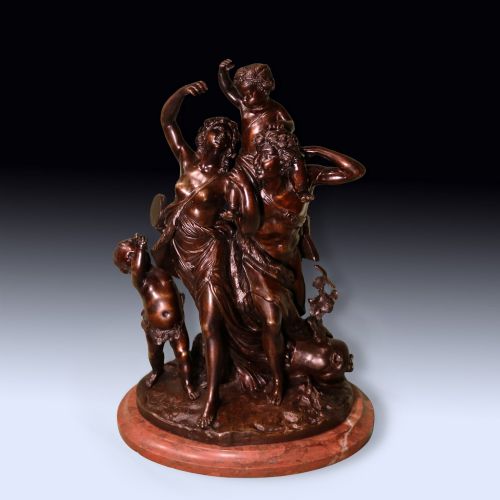
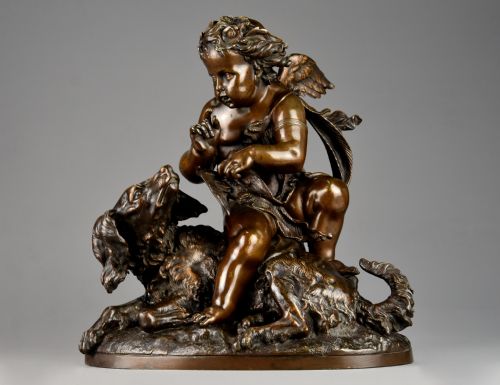
A putti figure group brings the spirited antics of winged infants into your home through sculpted bronze, marble, and porcelain.
Putti Figure Group
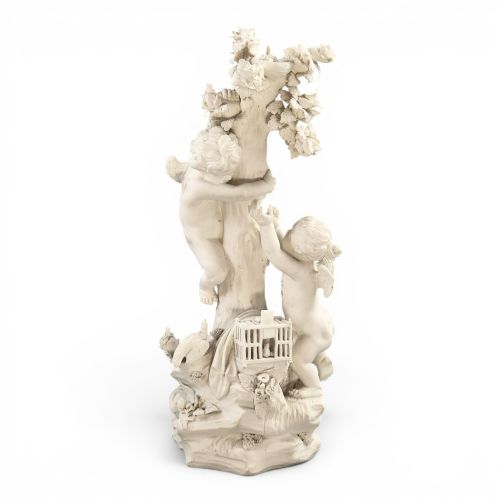
When you search for a putti figure group, you encounter sculptural compositions depicting winged infants, often engaged in mythological or playful pursuits.
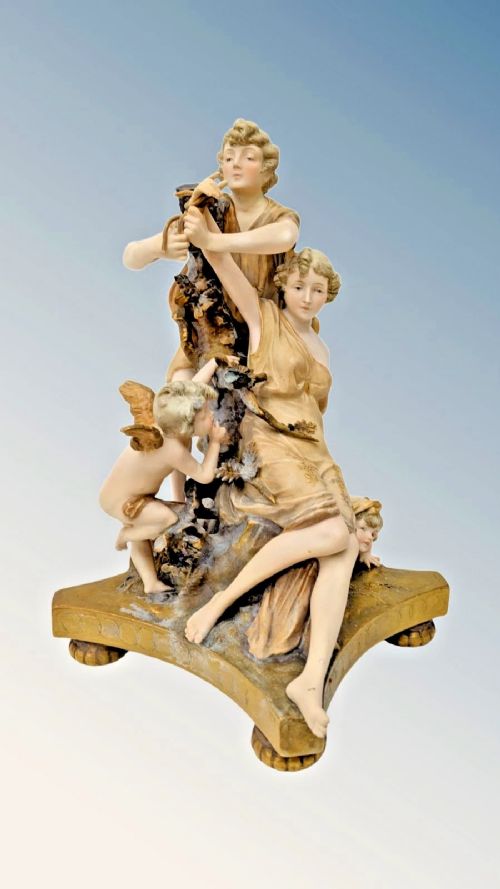
The versions most frequently met on this page combine bronze, porcelain, and terracotta to capture these lively scenes.
Originating across periods from the Georgian era through the late nineteenth century, these pieces reflect neoclassical and rococo revival tastes.
How they were made
Bronze groups utilise traditional casting methods, often receiving a patinated or silvered surface finish.
Porcelain pieces employ biscuit or soft-paste ceramic bodies shaped by historic factories like Meissen, Derby, and Höchst.
Several putti groups capture infants wrestling goats, playing with grapes, or acting out the four seasons.
What varies in quality
The refinement of the modelling dictates the visual success of the piece, separating static forms from those with fluid anatomical movement.
The quality of the material finish, whether the crispness of a bronze cast or the delicate application of porcelain, shapes the overall character of the work.
Clodion·Ernst Wallace·Charles Cumberworth·Carrier·Meissen·Hochst Factory
The Putti Figure Group Glossary
- Putto
- A plump, often winged infant depicted in classical art. These figures form the central subject of the groups found here.
- Biscuit porcelain
- Unglazed ceramic that fires to a matte, white finish resembling marble. This material highlights the fine detail in historic porcelain figures.
- Patinated bronze
- Metal treated with chemical solutions to produce a specific surface colour. This finish enhances the depth and shadows of the cast.
- Grand Tour
- Cultural travel undertaken by wealthy Europeans in the eighteenth and nineteenth centuries. Souvenirs from these journeys often included classical bronze sculptures.
Putti Figure Group: Frequently Asked Questions
What is a putti figure group?
A putti figure group represents winged infants engaged in playful or mythological scenes, cast in bronze or shaped in porcelain.
These sculptures draw on classical themes and span periods from the Georgian era to the late nineteenth century.
How do I care for bronze putti?
Bronze sculptures require light dusting with a soft, dry cloth to protect the patinated surface.
Avoid using liquid cleaners or abrasive materials that might strip the historic finish from the metal.
How do I tell porcelain from bronze?
Porcelain groups utilise ceramic bodies that are fired, glazed, or left in a matte biscuit state.
Bronze groups rely on metal casting techniques, often mounted on marble bases for stability.