

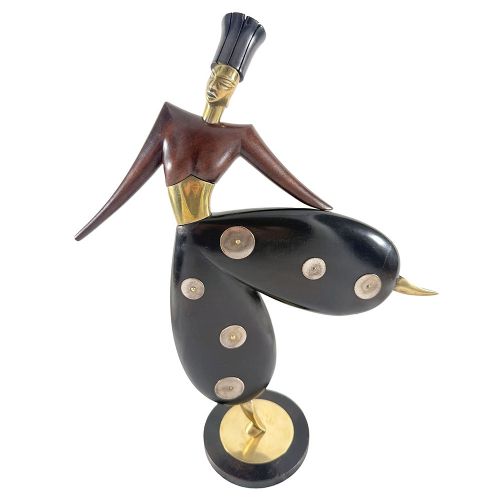

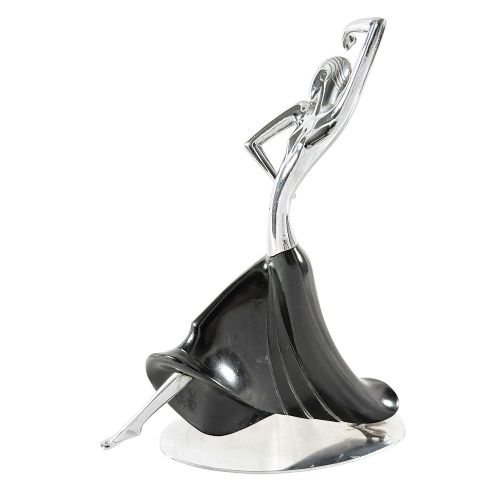
Vintage Dancer Sculpture
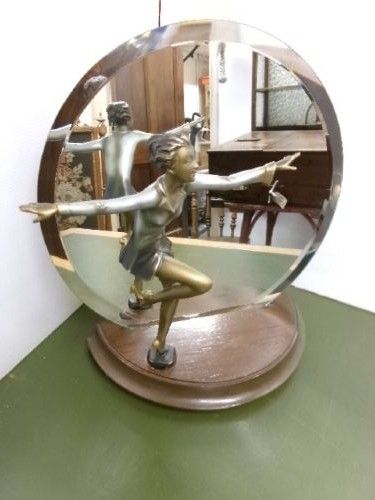
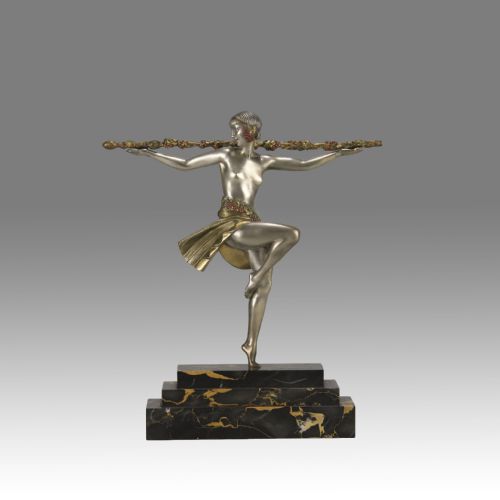
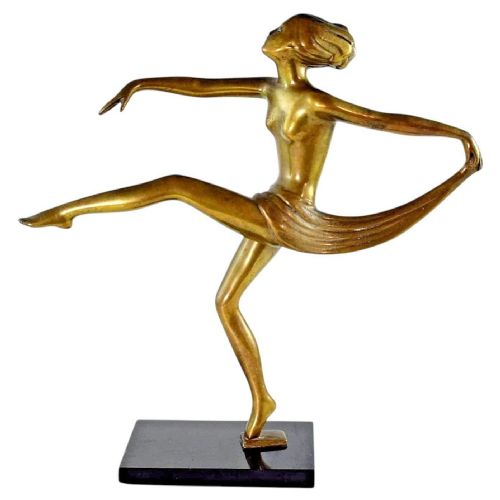
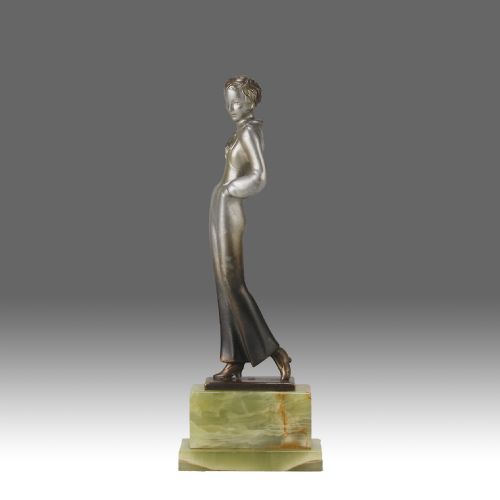
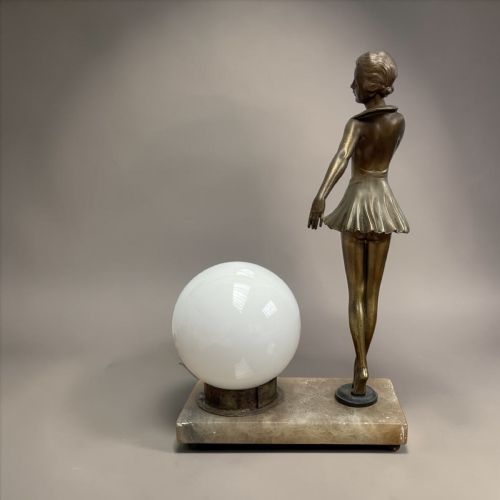
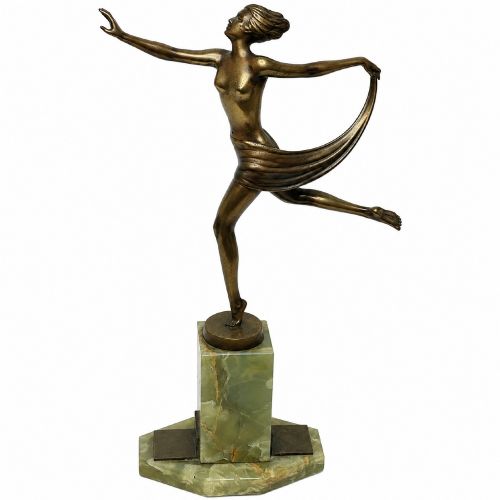
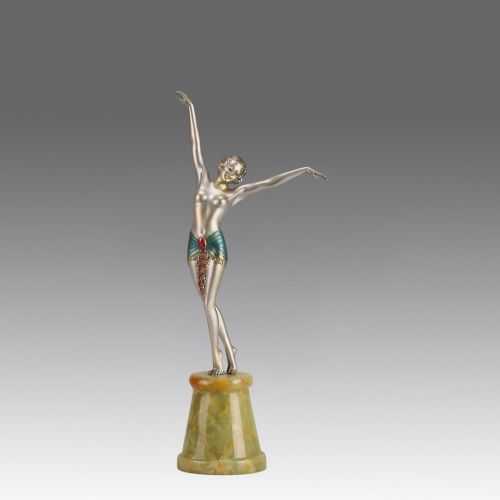
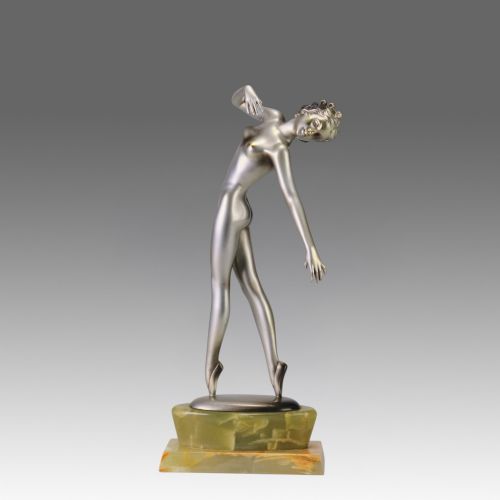
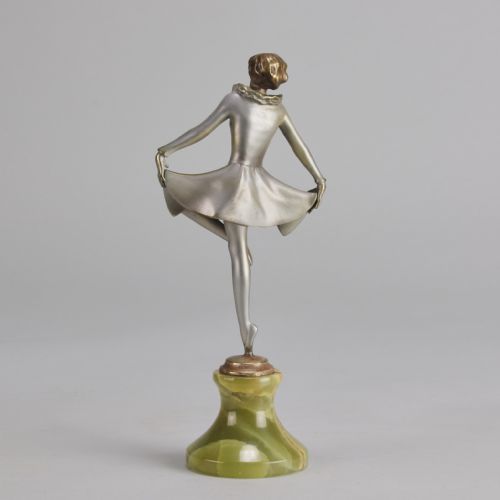
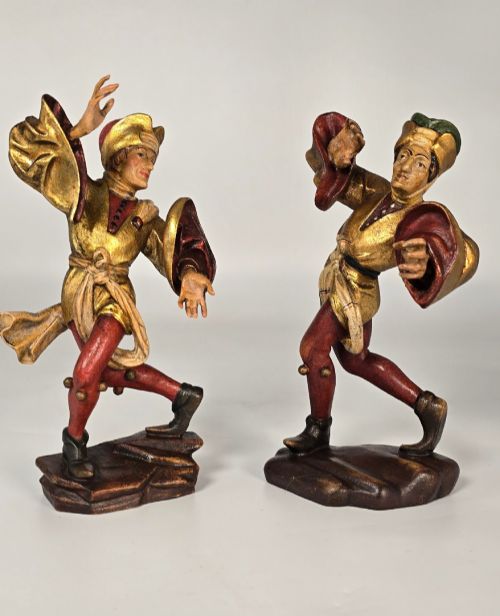
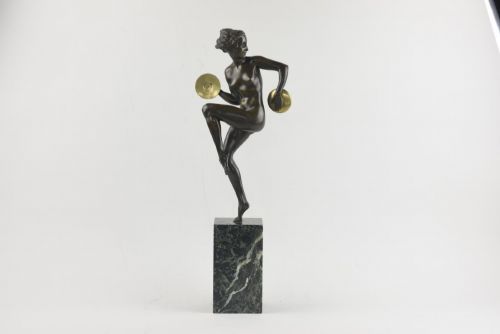
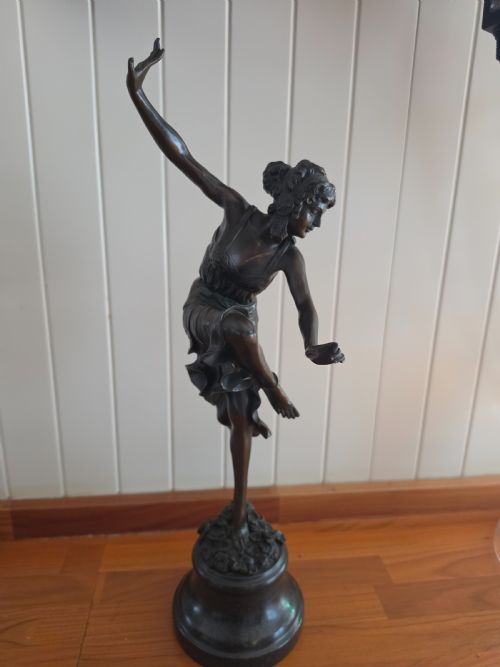
These vintage dancer sculpture pieces capture the motion of the dance in bronze, marble, and wood.
Vintage Dancer Sculpture
A vintage dancer sculpture brings movement into a room, capturing performers in mid-stride, leap, or pose. When searching this phrase, buyers encounter figures rooted primarily in the early twentieth century.
The most common examples on this page date from the 1920s and 1930s, heavily influenced by the Art Deco movement. These pieces depict ballet dancers, cabaret performers, and exotic dancers caught in expressive gestures.
Forms range from small cabinet figures to large table lamps and desk ornaments. Materials shift from cast metals mounted on marble bases to carved limewood and fine porcelain.
Materials and casting methods
Foundry workers utilised the lost-wax casting method for bronze figures, allowing for intricate detail in drapery and limbs. Cold-painting and silvering were frequently applied to the metal surfaces to add colour and contrast.
Bases were turned from quarried marble and onyx, providing a heavy counterweight to slender metal figures. Carvers also worked directly in wood, utilising limewood and alabaster for softer, tactile finishes.
Listings span the 1900s through the 1930s, featuring bronze, spelter, marble, and carved limewood.
Distinctions in craftsmanship
The integration between the figure and its stone base marks another tier of quality. Superior works feature custom-fitted mounts where the sculpture sits flush, while ordinary pieces rely on simpler mechanical attachments.
Pierre le Faguays·Josef Lorenzl·Aurore Onu·C J R Colinet·Sier Kunst·Hagenauer·D H Chiparus·Maurice Guiraud Riviere·Paul Philippe·Theo Voss·Pierre Laurel·Rene Andre Varnier·Paul de Boulogne
The Vintage Dancer Sculpture Glossary
- Cold-painted
- Paint applied to unheated bronze without firing, which remains susceptible to flaking over decades if handled without care.
- Chryselephantine
- A term describing statues made from a combination of bronze and ivory, popular during the Art Deco period.
- Spelter
- A zinc alloy utilised as a less costly alternative to bronze for casting figures, often given a painted bronze-like finish.
- Patination
- The natural or artificial ageing of a metal surface that deepens the colour and creates a subtle sheen.
- Limewood
- A pale timber favoured by carvers for its fine grain and ease of cutting detailed drapery.
Vintage Dancer Sculpture: Frequently Asked Questions
How do I identify an Art Deco dancer?
Look for stylised bodily proportions, flowing geometric garments, and postures inspired by contemporary ballet and cabaret performers of the 1920s and 1930s.
These sculptures often feature the dancer balancing on tiptoe or caught in a theatrical leap, mounted directly onto a stepped marble or onyx plinth.
What is cold-painted bronze?
Cold-painted bronze refers to metal sculptures finished with oil paints applied directly to the surface without heat fixing.
This technique allowed makers to render vibrant costumes and skin tones on dancers, though the paint requires gentle treatment to prevent loss over time.
Are these figures signed?
Many sculptures bear the cast signature or monogram of the designer on the bronze garment or along the edge of the stone base.
Unsigned examples also exist from the period, often produced by workshops or foundries that distributed figures without individual artist attribution.
How should I display a marble-based figure?
Place the sculpture on a stable, level surface away from direct sunlight and areas subject to vibration or accidental knocks.
Because many figures rely on heavy stone bases for stability, ensuring an even weight distribution protects both the metal attachments and the polished marble.