
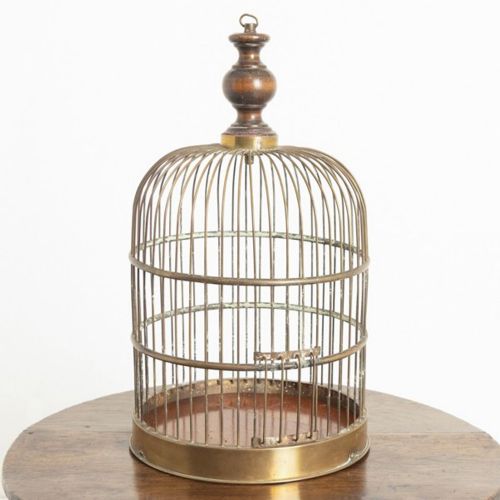


Decorative Brass Bird
A decorative brass bird brings warmth and character to a room, taking the form of cages, sculptures, and desk accessories.
Decorative Brass Bird
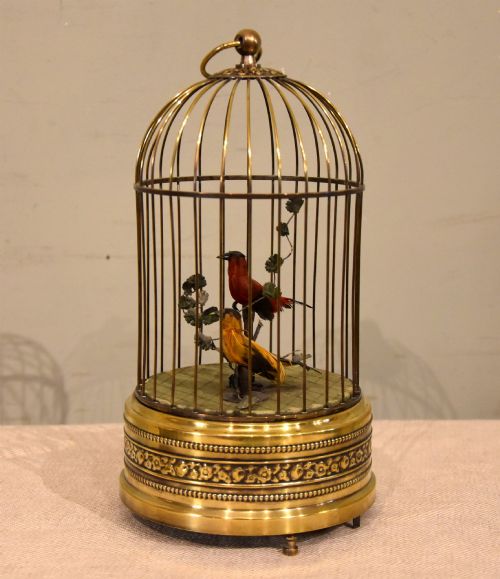
A decorative brass bird covers a wide span of items, from nineteenth-century cages and desk tape dispensers to bronze sculptures, clocks, and night lights. The objects on this page frequently appear alongside copper, enamel, and glass components.
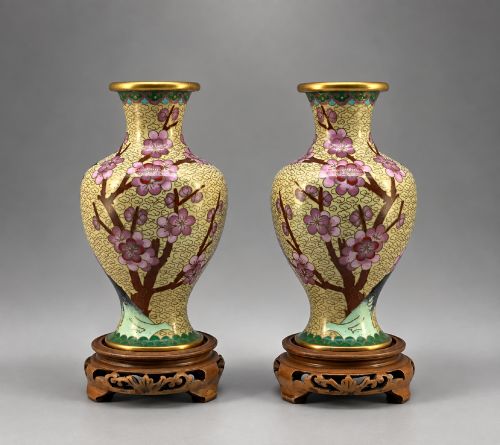
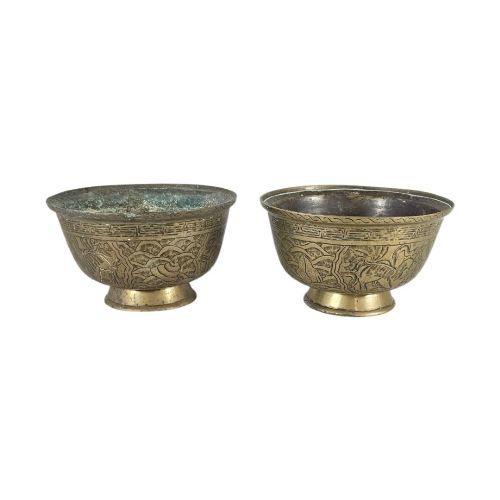
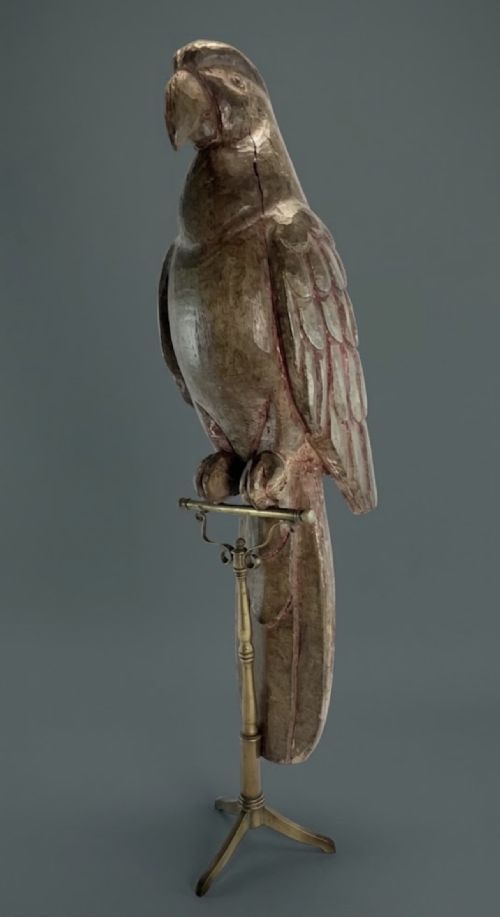
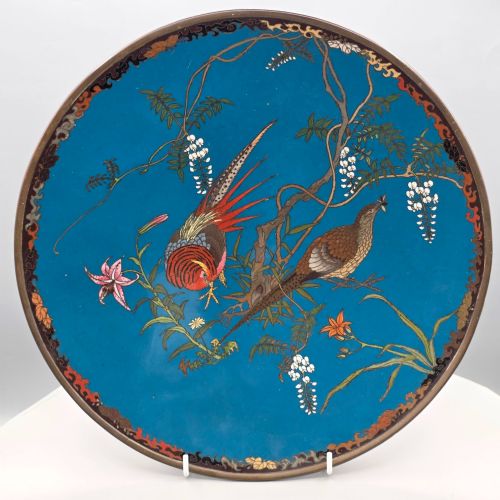
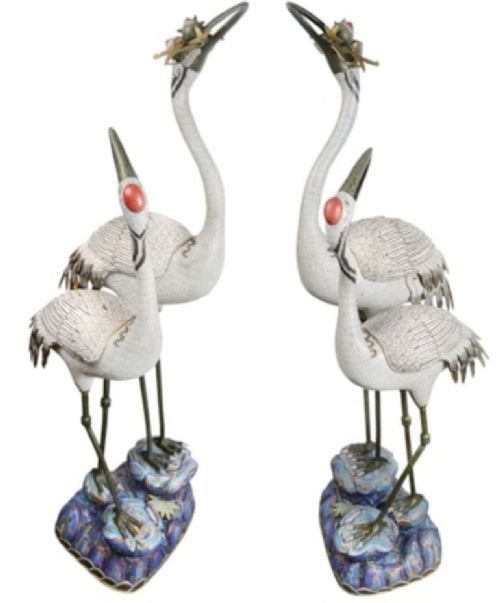
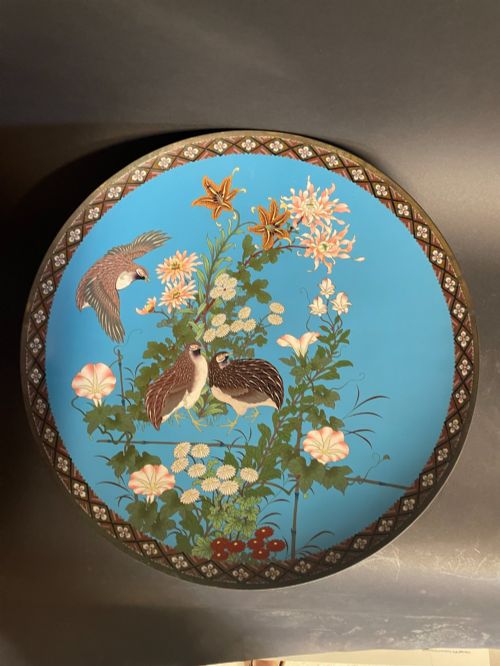
Japanese Meiji period cloisonne chargers and Chinese bronze bowls frequently feature birds alongside lotus flowers, cranes, quails, and owls. Victorian and Edwardian examples include singing birds in brass cages and desktop parrots.
Buyers will encounter items ranging from small desk accessories to large chargers and substantial brass bird cages dating across the nineteenth and early twentieth centuries.
Materials and construction methods
Many pieces combine cast brass and copper structures, often paired with cloisonne enamel decoration or glass elements such as mottled opaline. Workshops utilised techniques like wirework for bird cages and detailed surface engraving or enamelling for chargers and plates.
Bronze and ormolu gilt bronze appear in sculptural pieces and clock mounts, whilst carved wood and wrought iron occasionally supplement the primary brass and copper construction.
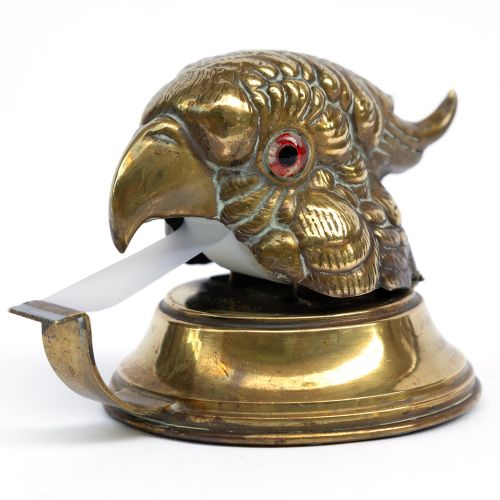
Among the cages and chargers hides a brass desk top parrot tape dispenser waiting to organise your stationery.
Distinctions in quality
Quality shows in the crispness of the casting, the complexity of the enamel work, and the weight of the metal. Finer examples display meticulous detail in the feathers and forms of the birds, whether rendered in cloisonne or cast metal.
Substantial construction and signed works distinguish the higher tier of pieces, alongside sophisticated pairings of contrasting materials such as granite and opaline glass.
The Decorative Brass Bird Glossary
- Cloisonne
- An enamelling technique where metal wire forms compartments on a surface to hold coloured enamel pastes. This method appears frequently on Japanese chargers and Chinese vessels.
- Ormolu
- Gilt bronze applied to decorative objects and clock mounts. French makers utilised this finish to provide a rich golden surface.
- Charger
- A large decorative plate or dish intended for display rather than dining. These pieces often showcase detailed bird motifs across a wide surface.
- Meiji Period
- A notable era in Japanese history associated with fine metalwork and intricate cloisonne production. Items from this period often display birds, mon, and natural scenes.
Decorative Brass Bird: Frequently Asked Questions
What periods do these pieces date from?
The selection spans the nineteenth and early twentieth centuries, including Victorian, Edwardian, and Art Deco eras alongside Meiji period and Qing dynasty works.
Dates recorded in the listings stretch from the eighteen-seventies through to the nineteen-thirties.
How were brass bird cages used?
Substantial brass and wirework cages served as decorative focal points in period interiors, occasionally housing stuffed mounts or automaton birds.
Many examples survive as decorative objects rather than functional enclosures.
How do I identify a Meiji period piece?
Meiji period items often take the form of large cloisonne chargers and bowls decorated with birds, ho-o birds, and natural scenery. Many examples originate from Japanese workshops during the late nineteenth century.
Some exceptional pieces carry artist signatures on the surface.