



19th Century Brass Ornament
A 19th century brass ornament brings distinct metalwork and sculptural form to a desk or shelf, offering a tangible connection to period interior detail.
19th Century Brass Ornament
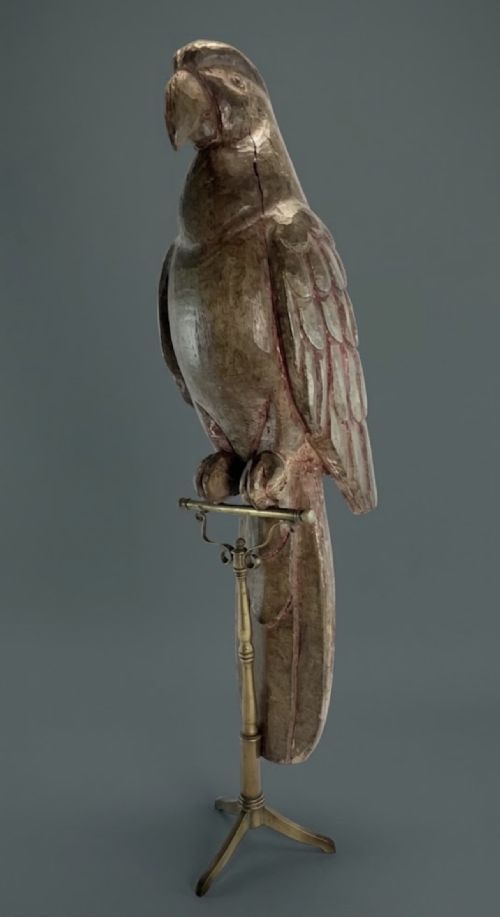
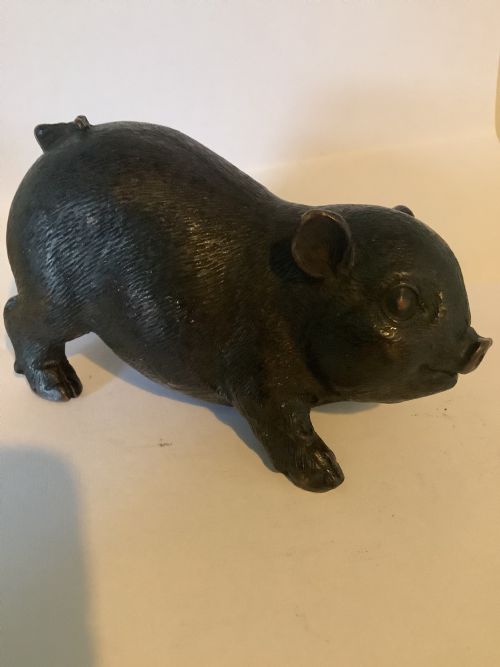
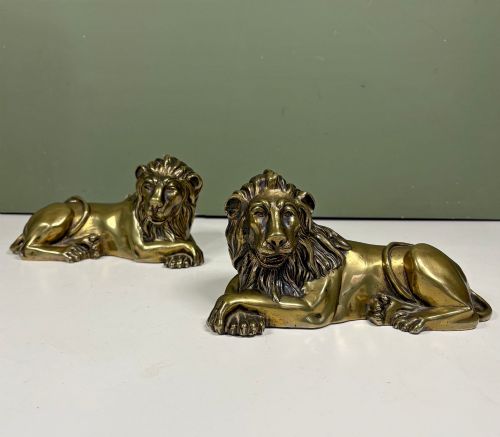
When searching for a 19th century brass ornament, collectors encounter a diverse group of objects spanning desk accessories, animal figures, candlesticks, and small models. These pieces serve functional or purely decorative purposes, shaped by Victorian, Regency, and continental European tastes.
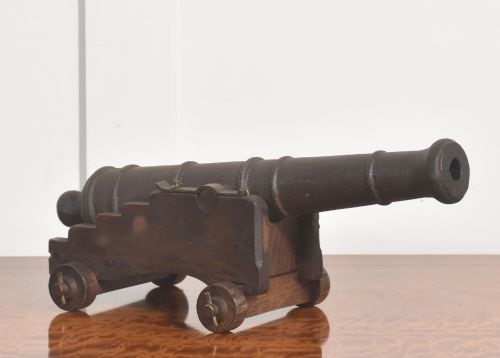
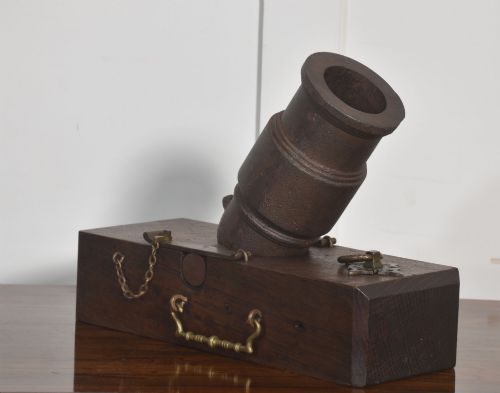
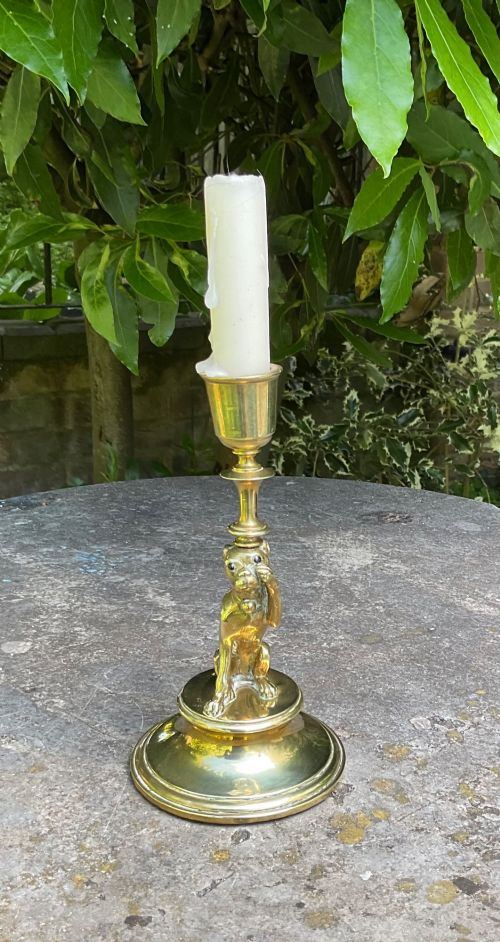
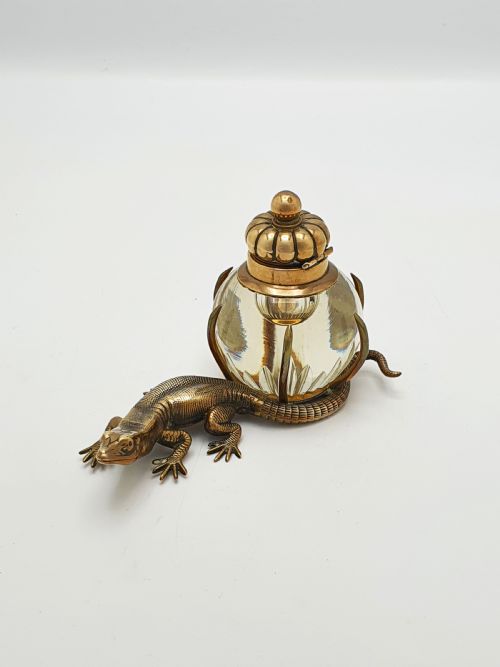
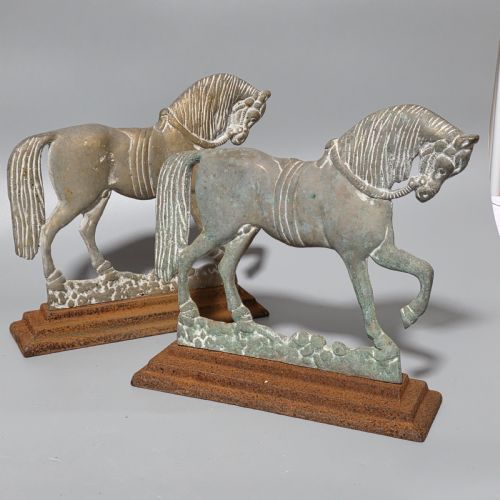
The selections on this page lean heavily toward utilitarian items adapted for display, such as inkwells, doorstops, and candlesticks, alongside figural casts of animals and miniature models. Makers from this era utilised brass alongside bronze, cast iron, glass, and oak to build substantial display items.
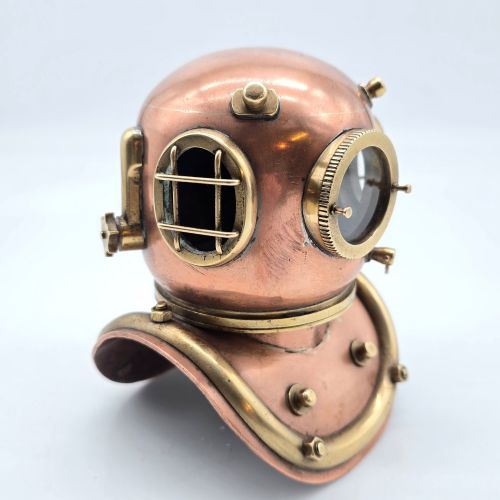
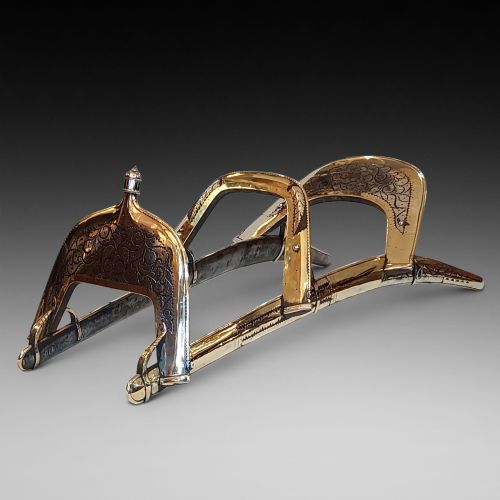
Geographic origins vary widely across the inventory, encompassing English domestic work, French gilt pieces, German manufacturing, and items originating from Asian and Middle Eastern traditions. Buyers find everything from utilitarian maritime models to ornate novelty trinket boxes.
Materials and Methods
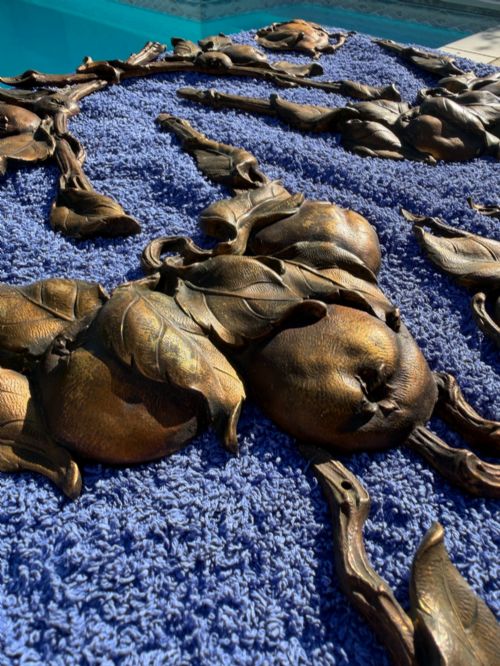
Foundry casting forms the basis of many pieces in this category, utilising molten brass, bronze, and cast iron poured into moulds to create solid figural shapes and structural mounts. Artisans then chased and finished the metal surfaces by hand to sharpen details on animals, architectural models, and decorative deskware.
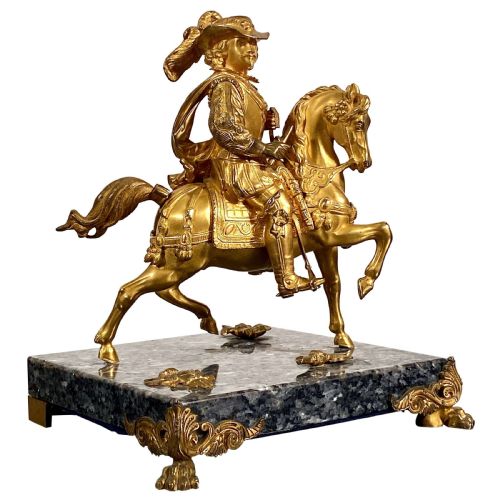
Combinations of mixed media define the period aesthetic, pairing brass and gilt bronze with inset porcelain, cut glass liners, marble bases, and carved oak carriages. These secondary materials complement the metalwork, adding colour contrast and functional utility to inkstands, lamps, and desk ornaments.
Listings feature 19th-century brass ornaments combined with glass, porcelain, oak, and bronze across Victorian, Regency, and Neoclassical styles.
Assessing Quality and Execution
The integrity of secondary materials dictates overall value, visible in the snug fit of glass inkwells, the stability of mixed-media wooden bases, and the original retention of mercury gilt or surface patination. Pieces that maintain their constituent parts intact offer a more complete historical record.
Poix Blin·BELINDA GENTLE
The 19th Century Brass Ornament Glossary
- Gilt Bronze
- Metal alloy coated with a thin layer of gold, often providing a bright or matte golden finish on decorative objects. This technique was widely employed in French and English workshops.
- Ormolu
- A term used synonymously with gilt bronze, describing the application of finely ground gold-mercury amalgam to a bronze base. It creates a rich, warm yellow lustre common on Regency and Victorian mounts.
- Chasing
- The manual tooling of metal surfaces with punches and hammers after casting to refine details and clear out recesses. Superior chasing distinguishes masterwork sculptures from plain commercial castings.
- Vernis Martin
- A simulated Japanese lacquer technique developed in France, utilised on fine cabinets and decorative surfaces. It produces a glossy, translucent finish built up in multiple layers.
- Patina
- The natural sheen or surface alteration developed on metal through age and handling. Collectors value an undisturbed patina for the visual depth it lends to antique brass.
19th Century Brass Ornament: Frequently Asked Questions
How do I clean a brass ornament?
Dust the item gently with a soft dry cloth to remove surface particles without disturbing the underlying metal. Avoid harsh commercial polishes that strip away historical patination and soften fine cast details.
Store or display the ornament away from excessive moisture and direct sunlight to prevent corrosion and protect any integrated glass, wood, or porcelain components.
Were these pieces functional or decorative?
Many objects served daily practical roles in nineteenth-century homes and offices, functioning as inkwells, candlesticks, doorstops, and desk seals. Even purely ornamental figures often doubled as paperweights or cabinet displays.
Over time, the primary use of these items shifted from utility to display as interior tastes evolved and the domestic environment embraced varied decorative metalwork.
How can I date a brass ornament?
Examine the casting method, fastener types, and surface wear to establish a baseline period for the object. Hand-filed seams, sand-cast textures, and integrated period materials like opaline glass or Regency rosewood help narrow down the manufacturing decade.
Compare stylistic cues against dated examples, noting that Victorian and Regency designs often incorporate specific floral motifs, animal subjects, or neoclassical proportions characteristic of their era.
What is the difference between brass and bronze?
Brass is an alloy primarily composed of copper and zinc, yielding a brighter, yellower metallic tone suited for domestic hardware and decorative ornaments. Bronze typically consists of copper and tin, producing a heavier, darker alloy traditionally favoured for sculpture.
Makers in the nineteenth century frequently utilised both metals interchangeably or in combination within a single piece, such as a bronze figure mounted on a cast brass base.