




West African Tribal Sculpture
West african tribal sculpture encompasses diverse carved and cast works, offering collectors striking ritual objects and powerful historical forms.
West African Tribal Sculpture
West african tribal sculpture comprises traditional wood carvings and metal castings originating from distinct regions and communities across the continent. These works include figures, masks, staffs and everyday objects created for ceremonial, spiritual or social purposes.
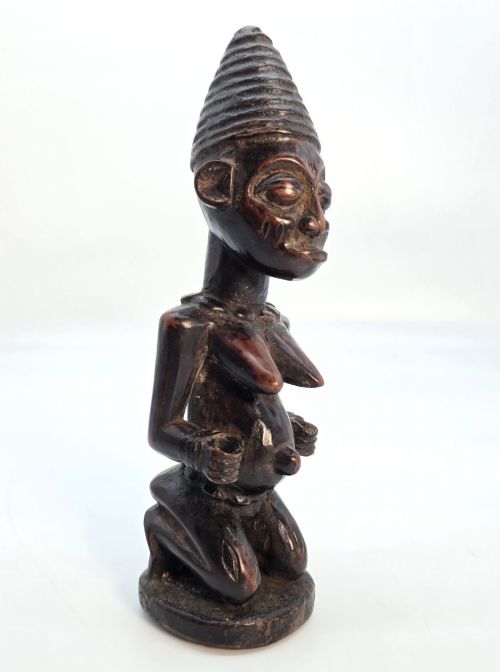
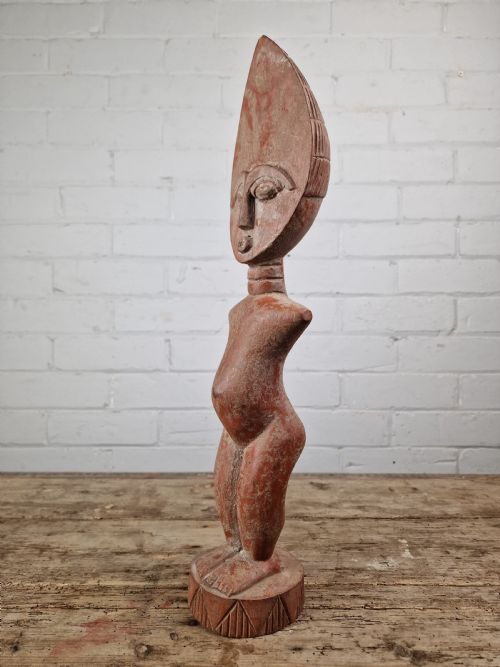
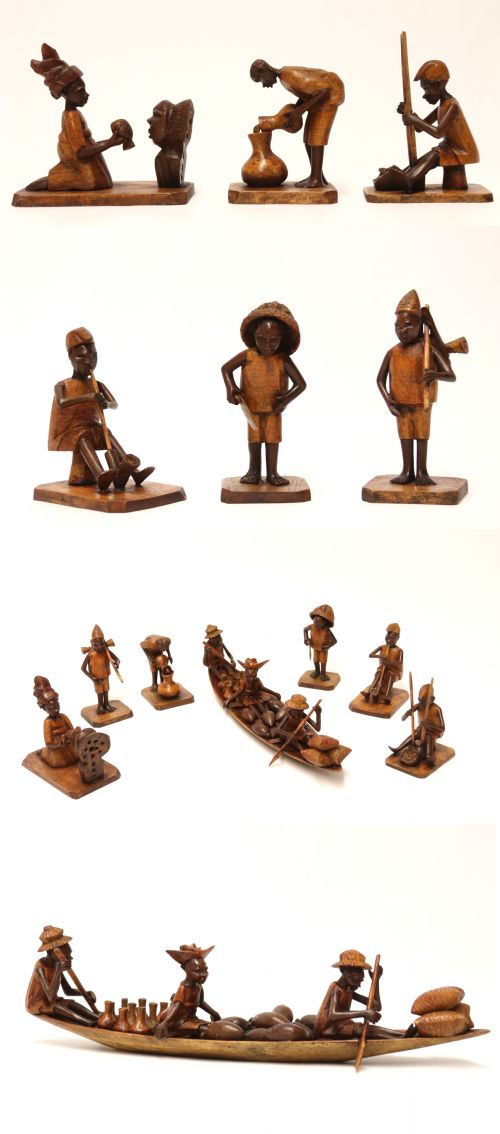
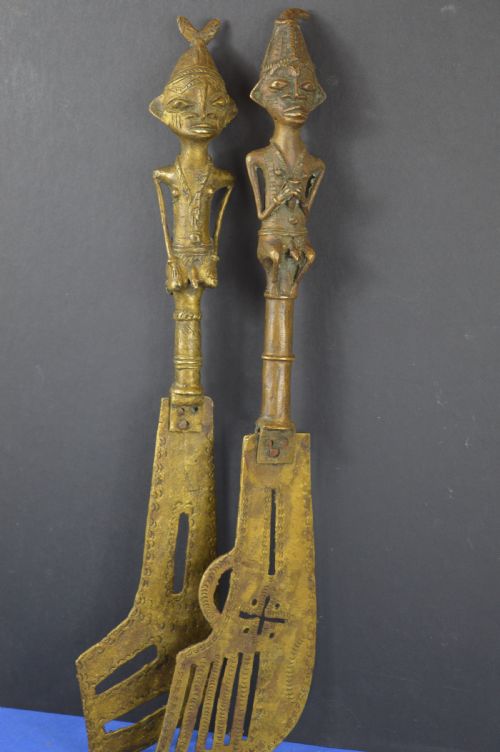
The selection here ranges from nineteenth century fertility figures and bronze memorial busts to twentieth century masks and statues. Pieces span several decades and originate from cultures such as the Yoruba, Benin, Ashanti and Dogon.
Materials and construction
Makers utilised local timbers, hardwoods and occasionally bone, shaping them with traditional hand tools to produce detailed figures, masks and functional items. Pigments and fibre additions frequently survive on wooden surfaces, highlighting original decorative details.
Listings feature works spanning from the nineteenth century through the mid twentieth century, utilising wood, bronze, brass and pigment.
Assessing quality and authenticity
Condition and completeness also influence standing, particularly on items retaining original pigments, ritual wear or traditional fibre attachments. Masterworks reflect distinct regional styles executed with high technical proficiency.
Abegunde of Ede
The West African Tribal Sculpture Glossary
- Patina
- The surface appearance developed through age, handling and ritual use over time. A genuine patina offers crucial insight into the history of a piece.
- Janus figure
- A sculpture featuring two faces looking in opposite directions. This dual representation holds specific symbolic meaning in traditional contexts.
- Ibeji
- A carved wooden figure commissioned among the Yoruba people to represent a deceased twin. These figures frequently display distinct coiffures and adornment.
- Cire perdue
- The lost-wax method used for casting bronze and brass sculptures. This technique allows for intricate detail in metalwork.
- Tribal mask
- A carved wooden or mixed media covering worn during ceremonies and dances. Masks embody specific spirits or ancestral figures.
West African Tribal Sculpture: Frequently Asked Questions
What is west african tribal sculpture?
These items are traditional wooden carvings, metal castings and ritual objects created by various cultural groups across West Africa for spiritual, ceremonial or social functions. They encompass figures, masks, staffs and busts.
Collectors prize them for their historical significance, powerful aesthetic and traditional craftsmanship that reflects specific community beliefs and practices.
How were these sculptures used?
Many of these pieces served active roles in rituals, ancestral worship, initiations or community ceremonies. Masks were worn during dances, while figures honoured twins, ancestors or deities.
Other items functioned as symbols of status, authority or ceremonial regalia for chiefs and kings within their respective societies.
How do I care for wooden tribal art?
Keep wooden sculptures away from direct sunlight, extreme temperature fluctuations and excessive dryness to prevent splitting or warping. Dust them gently with a soft, dry cloth.
Avoid applying modern polishes, oils or cleaning agents, as these can damage original pigments, surface patinas and aged materials.
How can I tell different cultural styles apart?
Distinguishing styles depends on recognising specific facial proportions, scarification marks, headwear and body forms associated with particular peoples such as the Yoruba, Benin, Ashanti or Dogon. Each group maintained distinct artistic traditions.
Consulting reference literature helps identify the characteristic traits and regional variations typical of each culture.