





Carved Tribal Artifact
These carved tribal artefact pieces bring traditional craftsmanship and cultural history into a room, offering genuine connection to makers from distant places and past centuries.
Carved Tribal Artifact
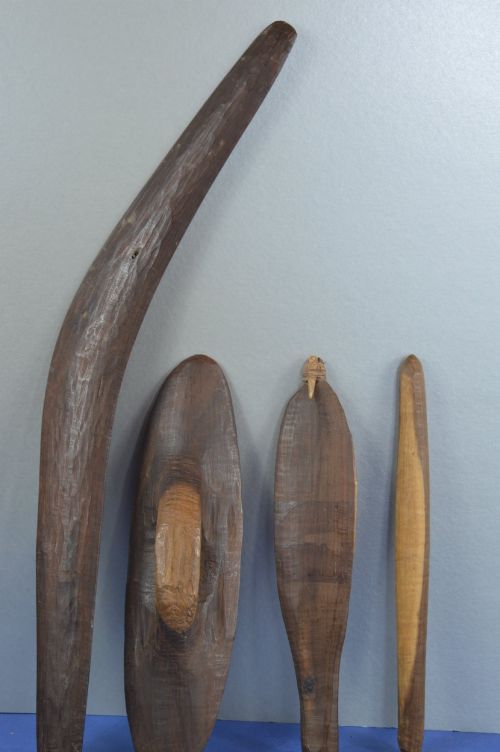
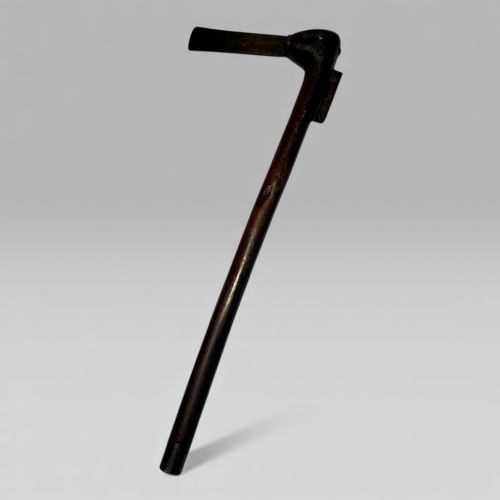
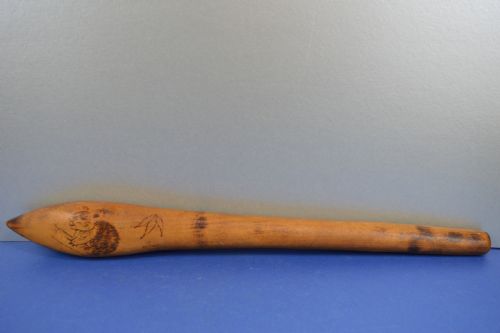
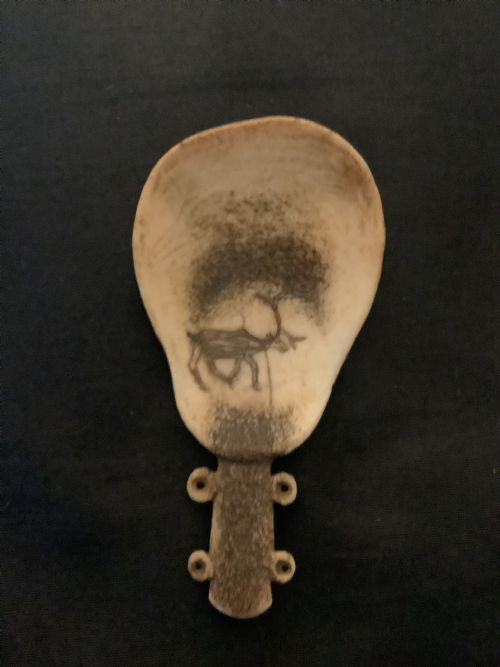
A carved tribal artefact represents functional, ritual, and symbolic items created by indigenous and traditional communities across Africa, Oceania, Asia, and the Americas. When exploring this selection, buyers encounter objects that range from utilitarian weapons and household items to ceremonial masks, headdresses, and sculptural figures.
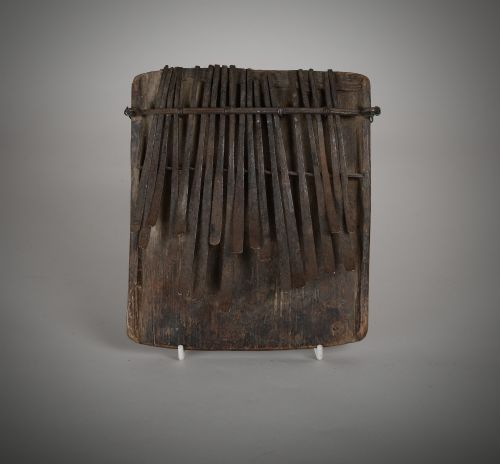
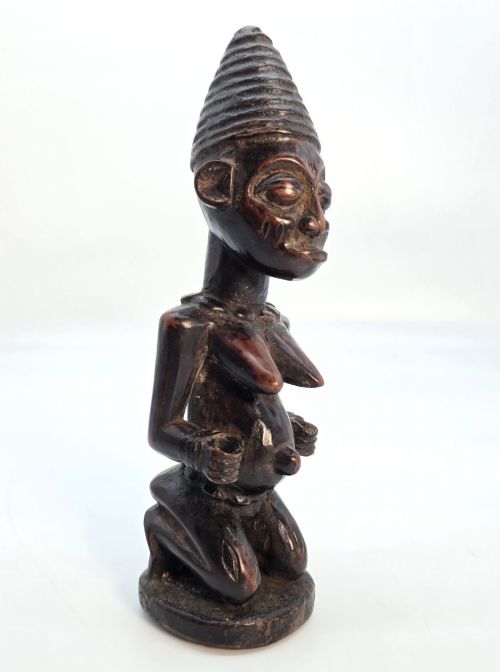
The material record spans the eighteenth century through the early twentieth century, encompassing periods such as the Victorian era, the Edwardian period, and the 1930s. Common forms include throwing clubs, war clubs, dancing masks, ritual axes, musical instruments, and decorative sculptures originating from regions including central and west Africa, New Guinea, Australia, and the Pacific islands.
Most items on this page date from the nineteenth century, reflecting an era of extensive exploration, trade, and documentation. Buyers will find specific cultural attributions attached to many pieces, identifying them with groups such as the Zulu, Baule, Punu, Kanak, Atoni, and various Indigenous Australian nations.
How they were made
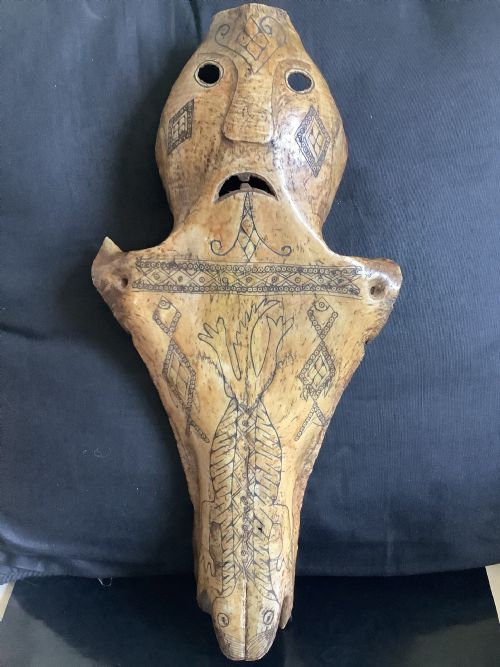
Makers shaped these objects using dense regional timbers, hardwoods, and organic materials including bone, whalebone, antler, and iron. Artisans relied on hand tools such as adzes, chisels, and blades to carve intricate geometric patterns, figures, and functional contours directly from the raw material.
Surface treatment often involved the application of natural pigments, metallic elements like brass, or the inherent patination acquired through ritual use, handling, and environmental exposure over generations. Construction techniques prioritized durability and practical application, particularly in utilitarian objects like fighting clubs, spear throwers, and ceremonial axes.
What varies in quality
The distinction between standard examples and superior specimens rests on the depth of carving, the clarity of tribal iconography, and the integrity of the surface patination. Master carvers achieved balanced proportions, confident linework, and expressive forms that elevate an item beyond a simple utilitarian tool into a powerful sculptural statement.
Authentic signs of age and traditional handling, such as worn grip areas, tool marks from hand production, and undisturbed surface oxidation, indicate a genuine history of use. Pieces that retain their original pigments, bindings, and structural completeness command greater attention from collectors who value undisturbed cultural context.
The Carved Tribal Artifact Glossary
- Knobkerrie
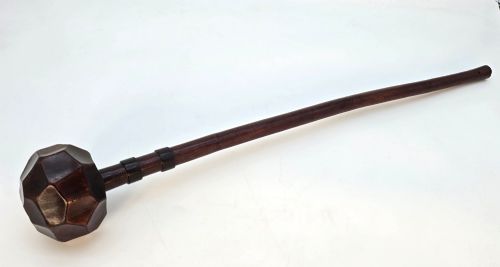
- A traditional southern African club featuring a heavy rounded knob at the end of a wooden shaft. This weapon served both for hunting and defence.
- Woomera
- An Australian Indigenous spear-thrower that acts as an extension of the arm to increase the leverage and velocity of a launched spear. It often includes carved channels or attached implements.
- Récade
- A ceremonial axe associated with royal authority and messengers in West African kingdoms such as Dahomey. These pieces function primarily as symbols of status rather than combat weapons.
- Patina
- The surface sheen and coloration developed through years of handling, exposure to smoke, and natural ageing of wood or bone. It serves as an indicator of genuine age and continuous use.
- Ethnographic
- Pertaining to the scientific description of peoples and cultures, often applied to material culture collected from indigenous and traditional societies. This category encompasses utilitarian, ritual, and artistic works.
Carved Tribal Artifact: Frequently Asked Questions
What is a carved tribal artifact?
A carved tribal artefact is an object fashioned by indigenous or traditional makers for daily use, ritual ceremony, or artistic expression. These pieces include weapons, masks, figures, and containers made from organic materials.
They reflect the specific cultural practices, artistic traditions, and historical periods of their makers, spanning centuries of global craftsmanship.
How were tribal clubs used?
Tribal clubs served multiple purposes depending on their design and cultural origin, functioning as weapons for warfare, tools for hunting, or insignia of rank and authority.
Heavier wood implements were built for impact, while lighter throwing clubs were engineered for targeting game or opponents from a distance.
How do I date these objects?
Dating relies on recorded collection histories, stylistic analysis, material composition, and traditional tool marks left by the maker. Nineteenth-century pieces often exhibit hand-carved surfaces and distinct regional iconography.
Comparing construction methods and patination against documented examples from specific periods helps establish a reliable timeline of origin.
How should I care for tribal artifacts?
Wooden and bone artefacts require stable indoor humidity and protection from direct sunlight to prevent cracking or warping of the natural materials. Gentle dusting with a soft, dry cloth preserves the delicate surface patination.
Avoid applying modern oils, waxes, or chemical cleaners, as these substances can alter the historical surface and diminish the integrity of the piece.