
Traditional Carved Figure
These traditional carved figure pieces span centuries of folk art and global craftsmanship, offering tangible history and character for any interior.
Traditional Carved Figure
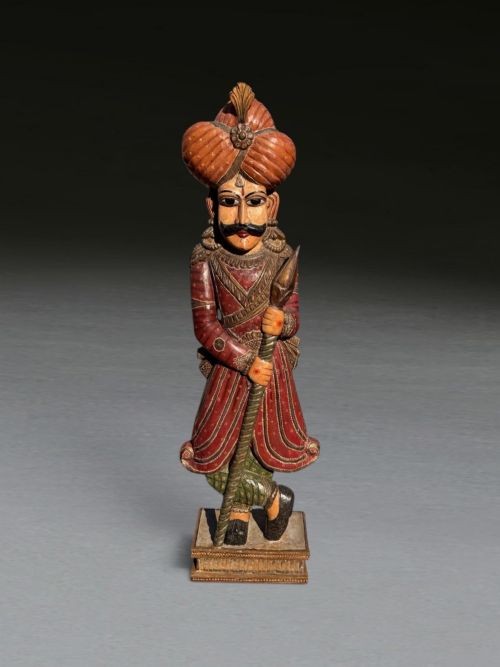
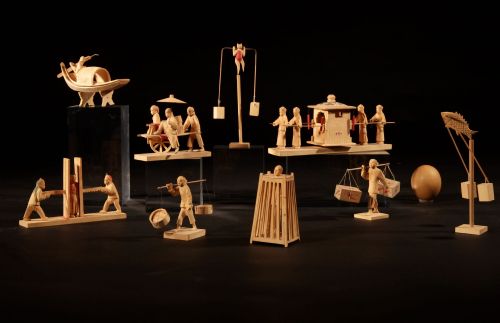
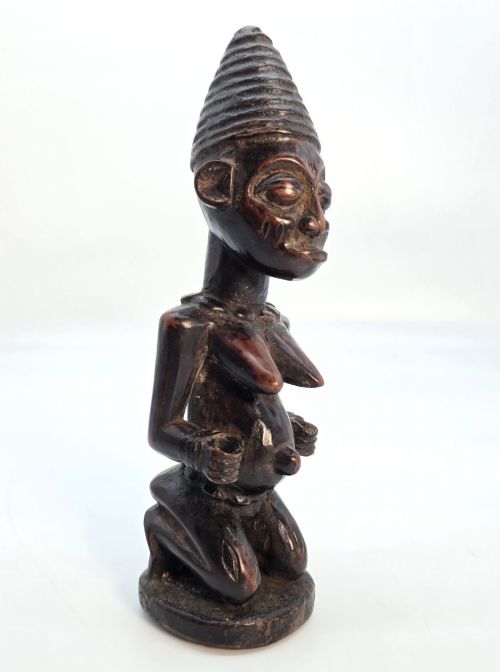
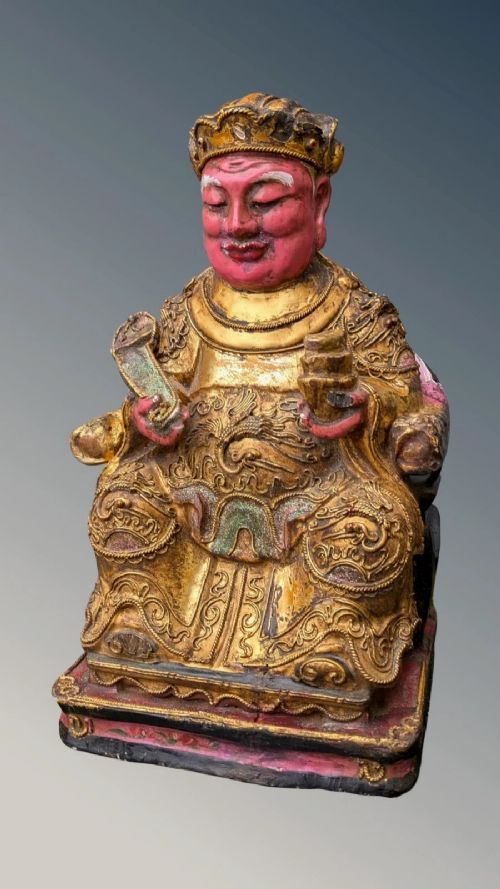
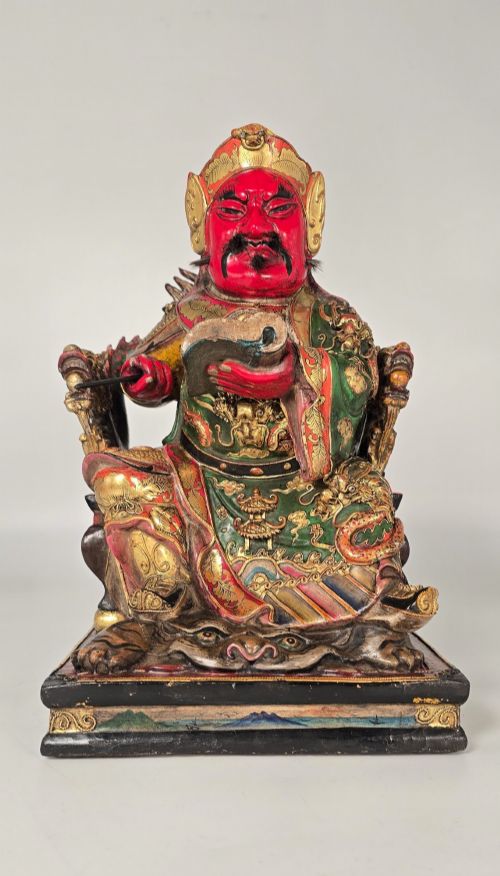
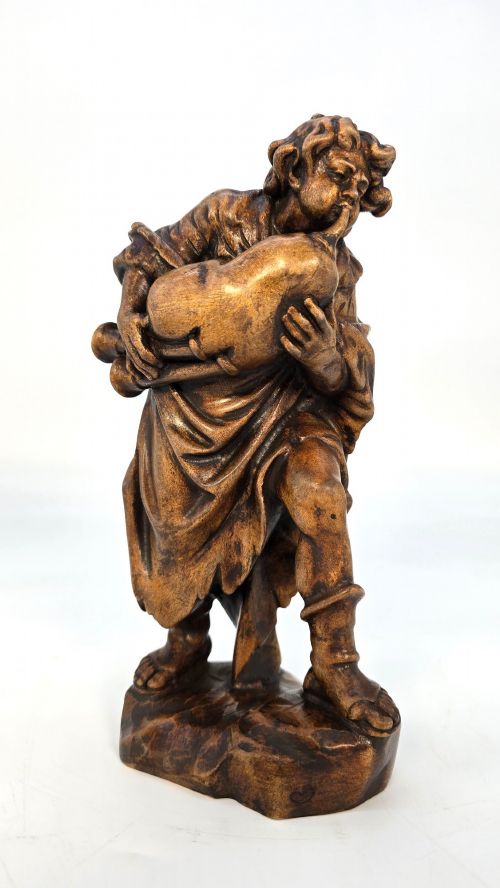
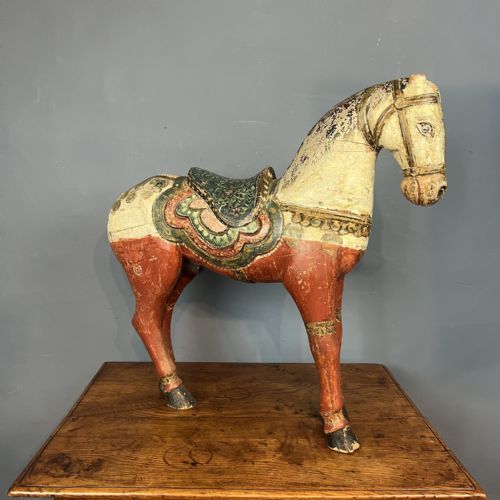
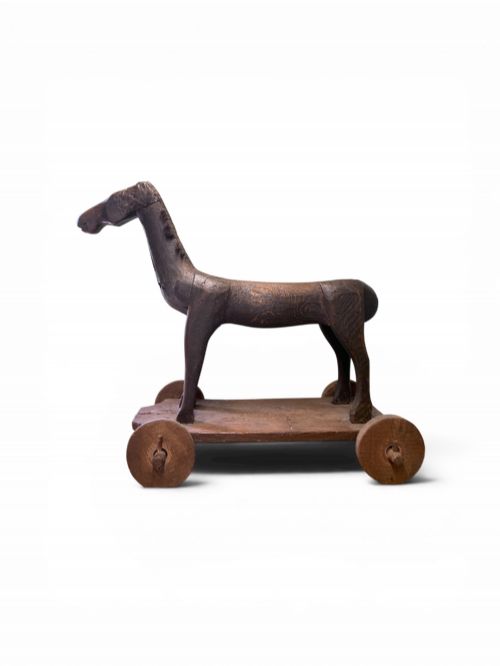
The selections on this page draw from distinct cultural traditions including Chinese Qing period works, African tribal art, European folk art, and Black Forest animal carvings. Forms range from freestanding deities and human subjects to animated figures of horses and birds.
Originating from domestic workshops and distant cultural centres alike, these objects function primarily as decorative sculptures and figurines. Each piece reflects the specific material culture and sculptural conventions of its geographical and temporal origin.
How They Were Made
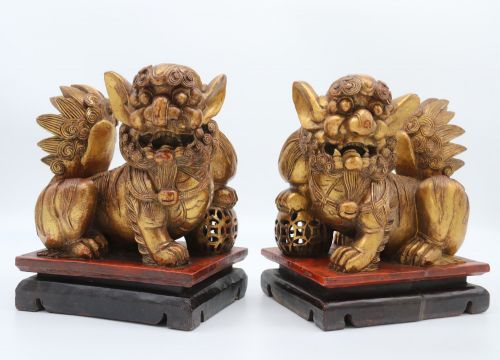
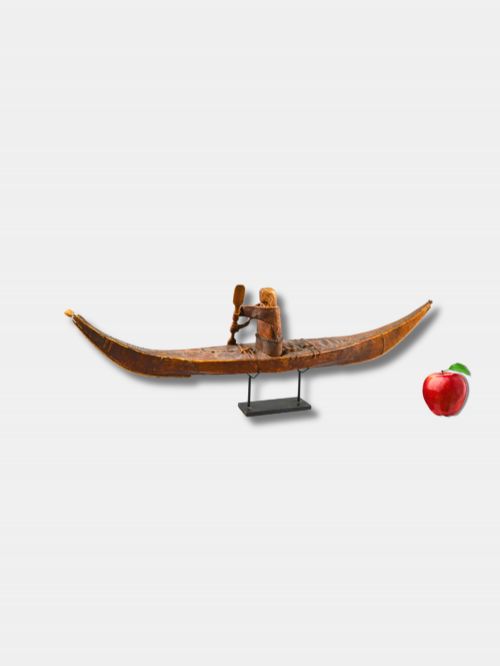
Makers utilised various woods such as hardwood, limewood, oak, and bamboo, frequently applying paint, pigment, gold leaf, and lacquer to enhance the surface. Certain items incorporate bone and seal skin alongside the primary wooden support, reflecting regional resource availability.
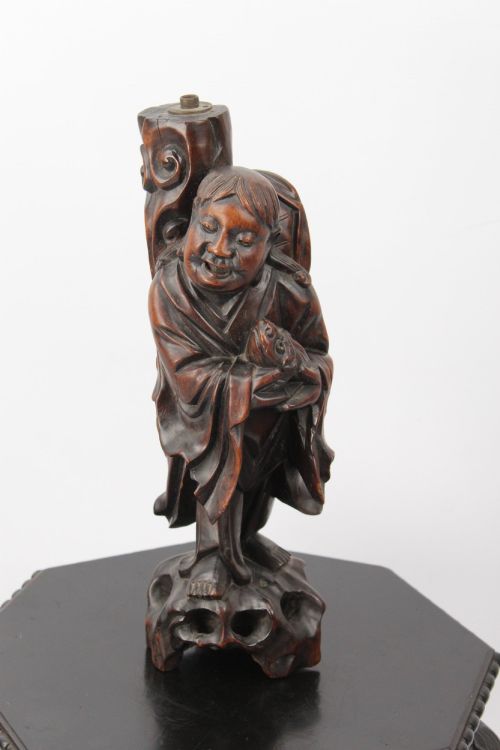
Carving techniques vary from detailed hand sculpting in root wood and stone to more naive folk methods. Surface finishes depend on the tradition, combining natural wood patination with applied polychrome and gilding.
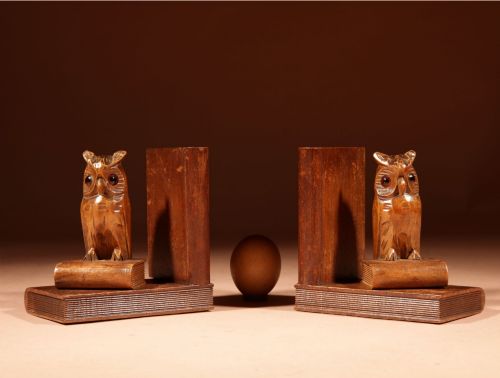
Among the carved animals, a pair of wooden bookends depicts owls with amusing expressions, frozen in silent watchfulness.
What Varies in Quality
Quality rests upon the precision of the carving and the preservation of original surface treatments like paint, lacquer, and gilding. Superior examples demonstrate confident handling of form, whether in the expressive posture of a scholar or the anatomical details of an animal.
The integrity of the material and the consistency of the ageing process distinguish finer works from simpler production. Pieces retaining their original polychrome or uncompromised surface texture hold greater distinction among collectors.
The Traditional Carved Figure Glossary
- Polychrome
- Decorated in multiple colours. This term describes surfaces painted with various pigments to bring realism or symbolic depth to a sculpture.
- Root wood
- Timber sourced from the root system of a tree. Sculptors utilise the natural, twisting contours of the root to shape dynamic figures.
- Gilt wood
- Wood coated with a thin layer of gold leaf. This technique provides a luminous, reflective surface often seen on devotional Asian figures.
- Folk art
- Artistic work produced from an indigenous culture or peasant society. These objects reflect traditional community aesthetics rather than formal academic training.
Traditional Carved Figure: Frequently Asked Questions
What materials are common?
These sculptures utilise various woods, including hardwood, limewood, and bamboo, alongside stone, terracotta, and soapstone.
Surface decoration frequently involves applied paint, lacquer, pigment, and gold leaf.
How old are these objects?
The available selection spans from the eighteenth century through the early twentieth century.
Dates are assigned based on stylistic conventions, regional period markers, and material wear.
Where did these pieces originate?
Origins include China, Europe, Africa, and Japan, representing diverse regional carving traditions.
Styles range from European folk art and Black Forest animal studies to Chinese dynastic deities.
How do I display them?
These decorative sculptures suit placement on tables, desks, and shelves as standalone focal points.
Stable indoor environments away from direct heat sources protect wooden and painted surfaces.