
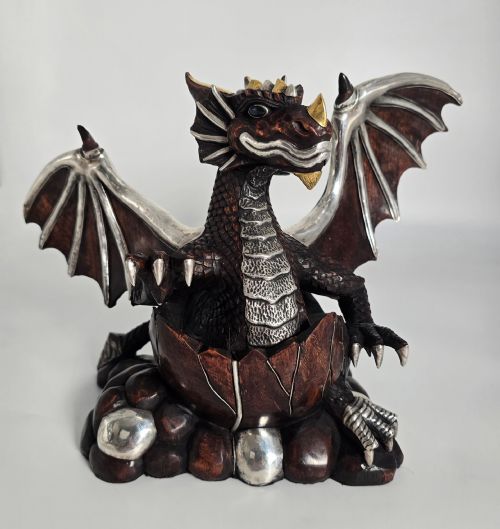
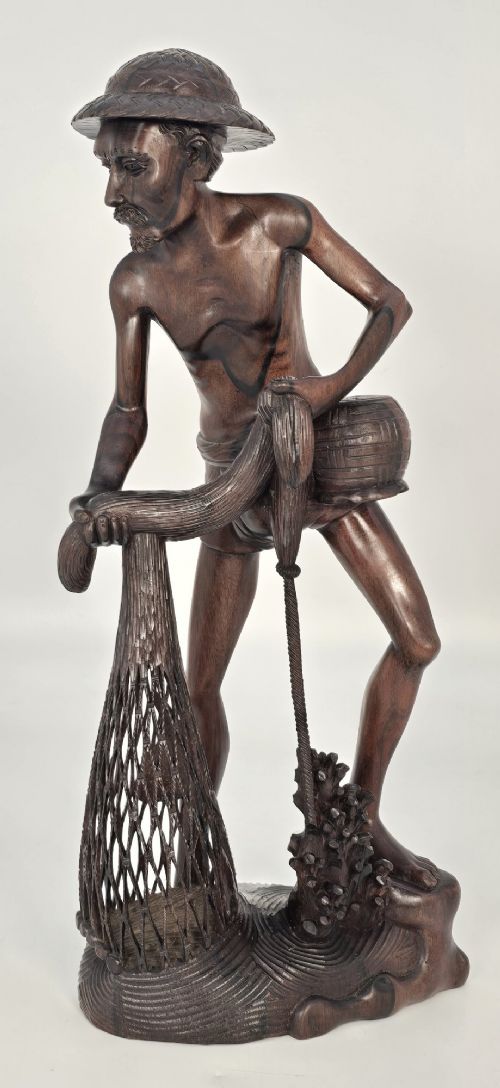


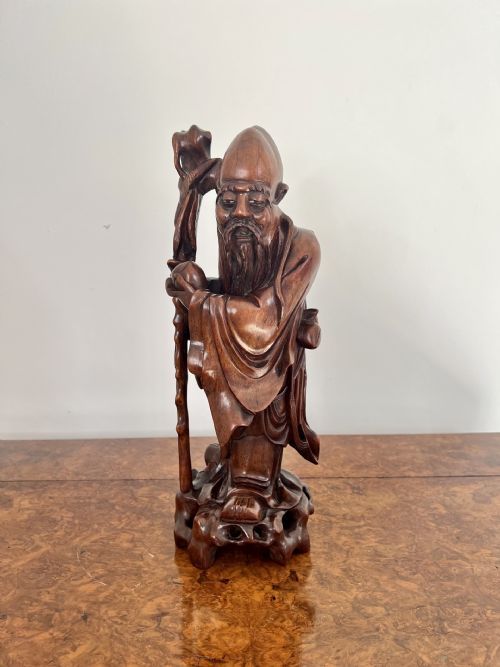


Carved Hardwood Statue
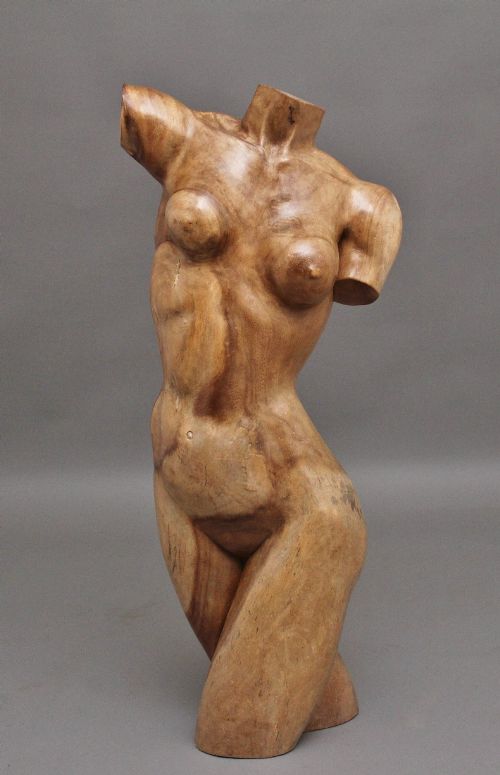
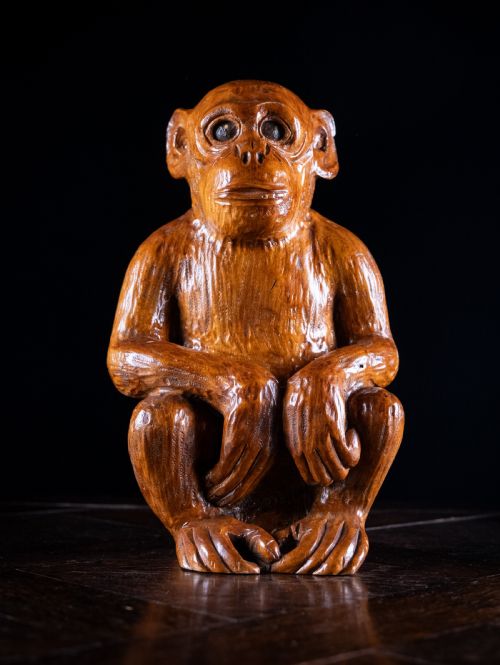
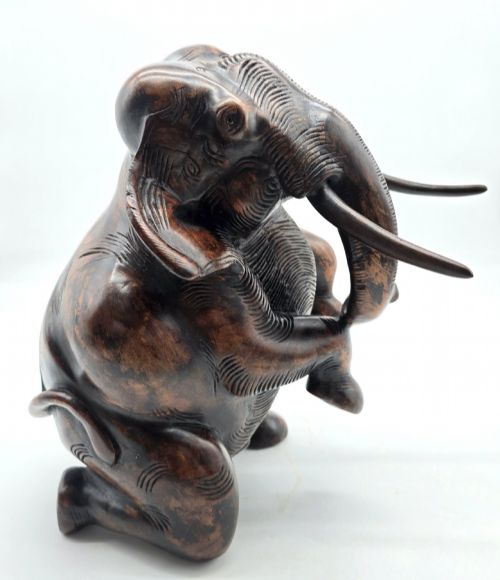
These pieces range from life-size torsos to animal studies, bringing the carved hardwood statue into domestic spaces through global traditions.
Carved Hardwood Statue
A carved hardwood statue encompasses figural sculpture spanning the eighteenth century to the twentieth century, originating from diverse global workshops. Buyers searching this phrase encounter Chinese figures, African tribal art, and Anglo-Indian animal studies.
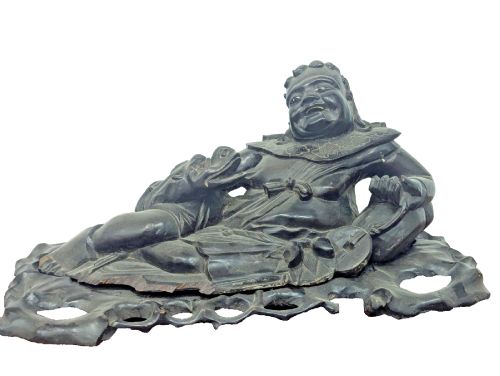
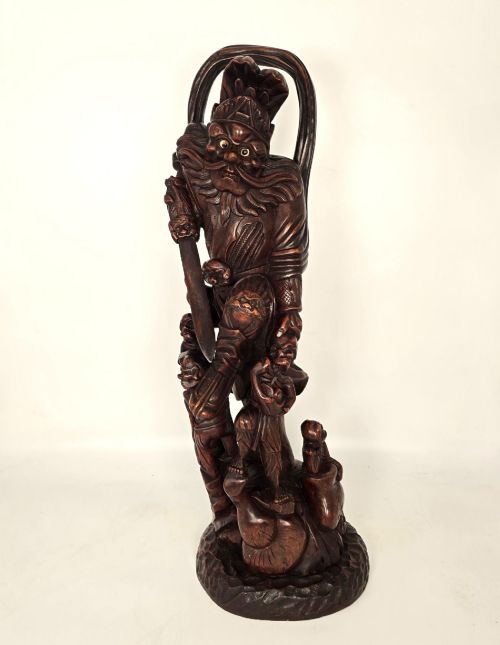
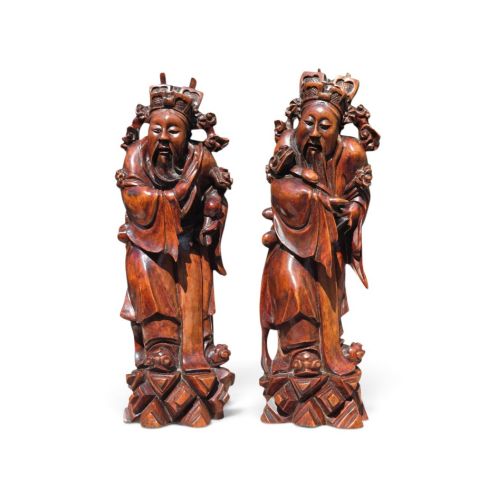
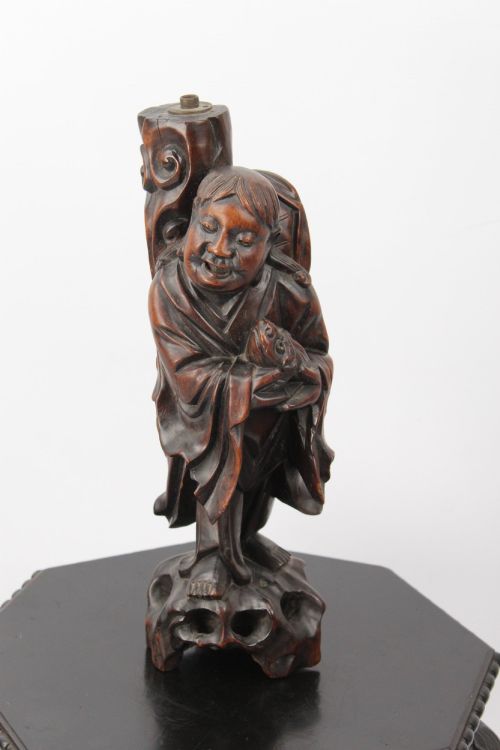
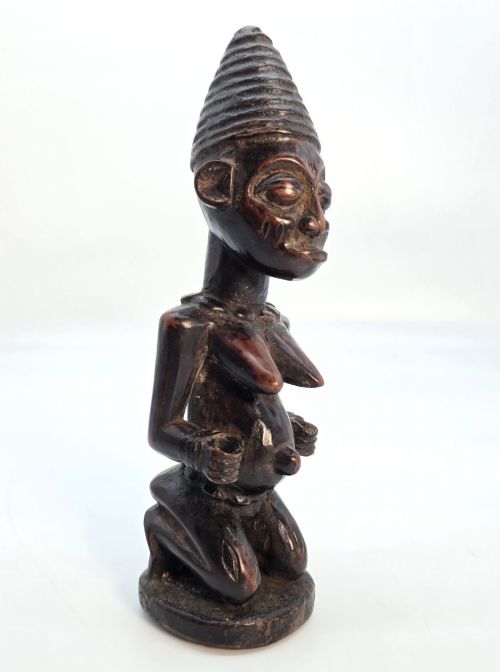
Chinese examples dominate the selection, showing deities, immortals, and animals carved from dense timber during the Qing dynasty and subsequent decades. Alongside these, Indonesian, Balinese, and African pieces present local deities, dancers, and warriors.
European workshops also contribute twentieth-century interpretations, including art deco panthers and classical male torsos. The forms vary from intimate root wood carvings to monumental figures standing over a metre tall.
Materials and carving techniques
Carvers employed hand chisels and gouges to shape the figures directly from the log, following the natural grain and knots of the material. Surface finishes range from polished dark patination to traces of old paint or pigments applied to specific costumes.
The selection includes figures from the 18th century, 19th century, and early 20th century, utilising ebony, root wood, and bone.
Distinctions in craftsmanship and form
Mastery is evident in the articulation of anatomy, drapery, and facial expression, distinguishing fluid hand movements from stiff, repetitive work. Superior examples show careful attention to the natural grain of the timber, integrating knots and colour variations into the composition.
Proportion and stance separate standard decorative objects from ambitious sculptural commissions, particularly in complex multi-figure groups. The depth of the undercutting and the crispness of the tool marks reveal the carver's level of skill.
The Carved Hardwood Statue Glossary
- Budai
- A representation of the laughing monk, typically depicted with a prominent belly and cheerful expression. This subject appears frequently in Chinese Qing dynasty wood carvings.
- Lokapala
- A guardian king or heavenly general originating from Buddhist mythology, often shown in dynamic armour. These figures stand as protective sentinels in sculptural groups.
- Okimono
- A Japanese ornamental carving designed for display on a traditional room shelf. These portable sculptures depict figures, animals, and historical subjects with high realism.
- Root wood
- Timber sourced from the root system of a tree, valued for gnarled, twisting shapes. Carvers incorporate these natural contours directly into the subject matter.
- Foo Dog
- A traditional guardian lion depicted with a playful or fierce expression. Pairs of these mythical beasts often flank entrances or sacred spaces.
Carved Hardwood Statue: Frequently Asked Questions
How do I clean a wooden statue?
Dust the surface regularly with a soft, dry brush to prevent dirt accumulation in deep recesses.
Avoid using water, liquid cleaners, or household polishes, as moisture damages dry historic timber.
Are these figures solid wood?
Most examples are carved from a single block of dense timber or root wood.
Larger processional pieces or multi-figure groups may combine separate carved elements fixed securely together.
Where were these carvings displayed?
Eastern pieces often stood in temples, domestic shrines, or scholar's desks as protective or contemplative objects.
European and colonial works served primarily as decorative ornaments in nineteenth-century drawing rooms.
How can I tell the period?
Dating relies on tool marks, timber shrinkage, wear patterns, and stylistic conventions associated with dynasties or eras.
Comparing the patina and carving depth against documented examples helps confirm the age.