


Brown Wooden Figure
When you search for a brown wooden figure, you are looking at centuries of sculptural craft made from oak, walnut, and hardwoods.
Brown Wooden Figure
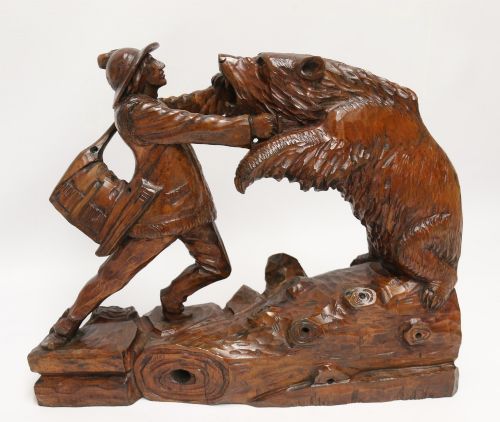
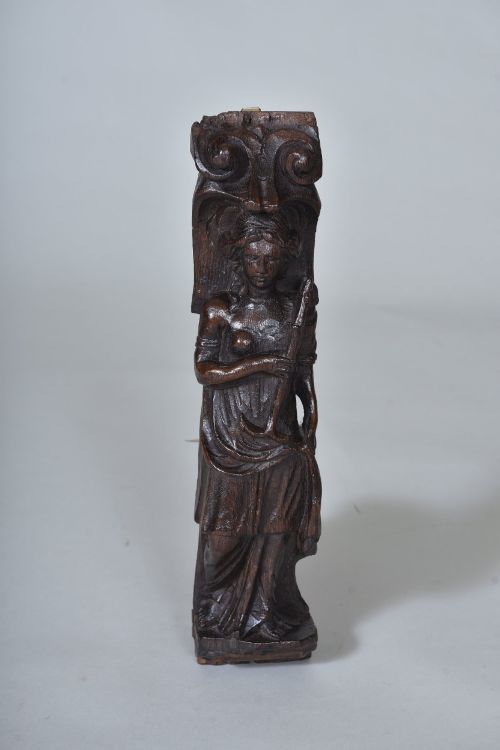
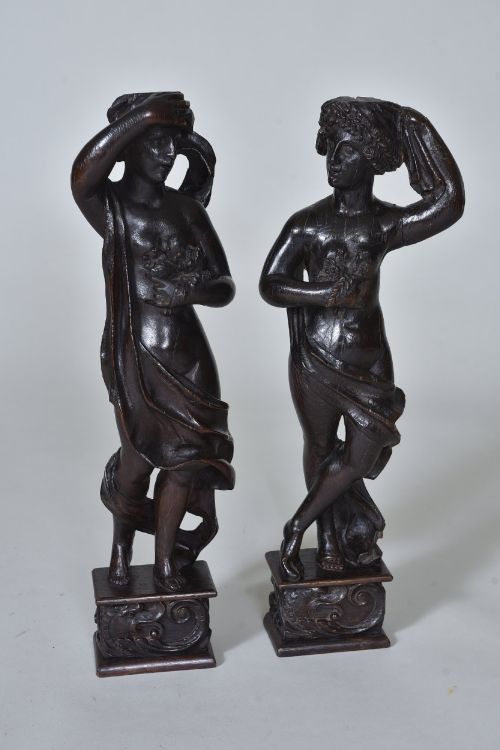
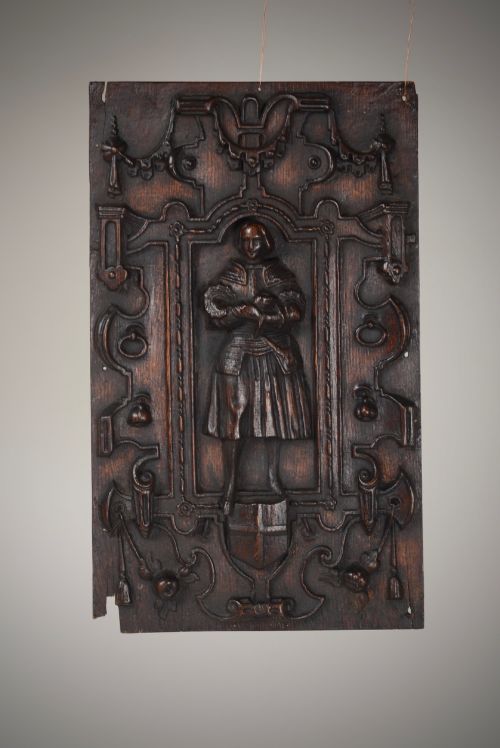
A brown wooden figure encompasses carved representations ranging from devotional saints and Madonna and Child groups to Chinese Guardian Kings, Daoist immortals, and Black Forest animal groups. These pieces emerge from the seventeenth century through to the Art Deco period, crossing diverse regions including England, France, Italy, Japan, and China.
Buyers will most frequently encounter nineteenth-century Black Forest animal carvings, early twentieth-century devotional sculptures, and larger hardwood figures of East Asian origin. Many of these items utilise dense woods shaped into human, animal, or religious forms, reflecting the regional sculptural traditions of their respective eras.
Materials and construction
Makers shaped these sculptures from various timbers including oak, walnut, limewood, olive wood, and heavy Chinese hardwoods. Artisans utilised hand-chisels and gouges to carve the dense material directly, sometimes applying polychrome paint over the timber surfaces.
A carved limewood match striker shaped as a gnome ensures your matches are guarded by a tiny wooden person.
Defining quality in carved timber
The natural figure and condition of the timber itself play a significant role, with rich grain patterns in walnut and hard tropical woods elevating the visual impact. Crisp preservation of edge detail without heavy surface wear indicates superior execution.
J Huggler
The Brown Wooden Figure Glossary
- Polychrome
- Painted in several colours, often applied over a gesso ground on carved wood figures to enhance realism.
- Black Forest
- A nineteenth-century Swiss and German style of wood carving known for realistic depictions of animals and human figures.
- Hardwood
- Timber from broad-leaved trees such as walnut, oak, and exotic Asian species, valued for density and durability in carving.
- Articulated
- Constructed with movable joints connected by internal pins, allowing limbs to be posed.
- Limewood
- A pale, soft wood with a fine grain favored by European carvers for detailed, intricate sculptural work.
Brown Wooden Figure: Frequently Asked Questions
What periods do these wooden figures come from?
The available selection spans from the seventeenth century through the eighteenth and nineteenth centuries, extending into early twentieth-century Art Deco and 1930s pieces.
Earlier items often take the form of devotional saints and panels, while later nineteenth-century examples frequently feature Black Forest animals and Asian deities.
How were antique wooden sculptures displayed?
Historical figures served varied functions, from domestic mantelpiece decoration and bookends to church devotions and artist studio models.
Larger hardwood sculptures and guardian figures stood directly on floors or dedicated pedestals within traditional interiors.
How do I identify a Black Forest carving?
Black Forest carvings originate primarily from Switzerland and Germany during the nineteenth and early twentieth centuries.
They are characterised by realistic animal subjects like bears and owls, often rendered in deep brown walnut or linden wood with textured fur details.
What is an artist's lay figure?
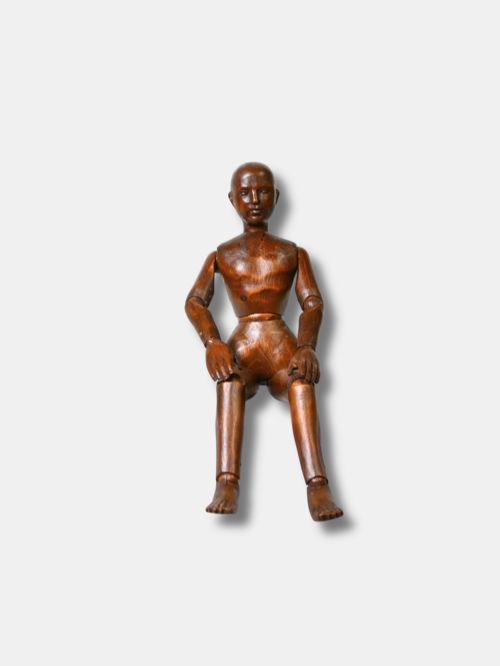
An artist's lay figure is a fully articulated wooden manikin designed to help painters and sculptors study drapery and human anatomy.
These pieces feature movable joints secured with pegs to hold specific poses in the studio.